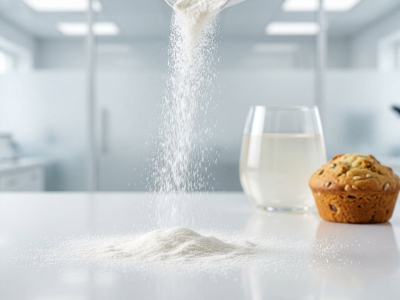
A single ingredient can elevate a formula far beyond simply being “fiber added.” Resistant dextrin (often labeled as soluble corn fiber in finished products) is a low‑molecular, water‑soluble dietary fiber crafted from non‑GMO corn starch. Because it resists digestion in the small intestine,…
2026/02/10 08:39
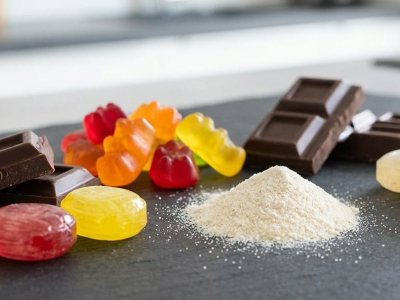
Healthier candy is no longer a niche request; it is a driving force in the global confectionery market. In every region, buyers want less sugar and fewer calories, but they still judge a product by one thing first: does it feel and taste like the “real” treat? That is why many confectionery teams…
2026/02/09 08:46
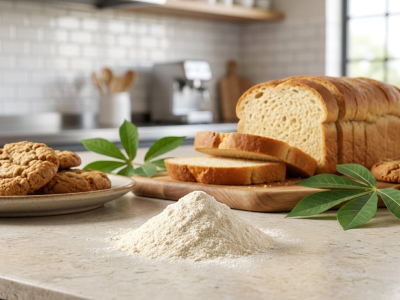
Developing premium gluten-free products often feels like a balancing act. You can increase the fiber content, or you can maintain a soft crumb and clean flavor—but achieving both simultaneously is a significant challenge for R&D teams. Organic tapioca resistant dextrin is designed to close that…
2026/02/06 08:50
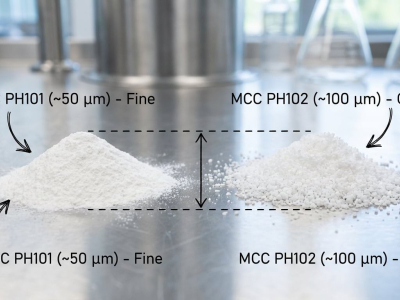
In tablet development, the PH101 vs PH102 decision is one of the few excipient choices that can change both press behavior and product performance in a single move. Microcrystalline cellulose PH101 (finer) and microcrystalline cellulose PH102 (coarser) are both proven filler-binders, but they…
2026/02/05 08:57
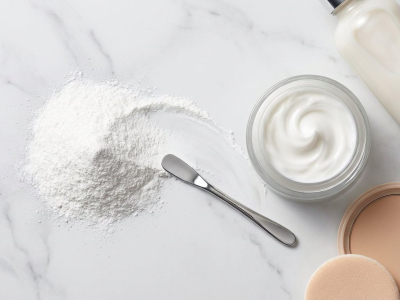
Cosmetic grade microcrystalline cellulose has quietly moved from being just an “inert filler” to becoming a make-or-break texture tool for modern formulators. In creams, lotions, and color cosmetics, selecting the wrong grade often manifests as viscosity collapse, syneresis (weeping), gritty…
2026/02/04 08:56
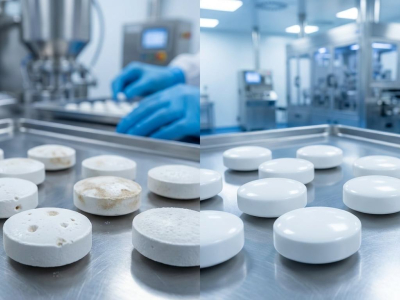
Facing unexpected tablet coating defects like picking, mottling, or orange peel effects can disrupt even the most validated production schedules. Often, the root cause lies in the interaction between the tablet core's physical properties and the coating process parameters. By aligning the correct…
2026/02/03 09:54
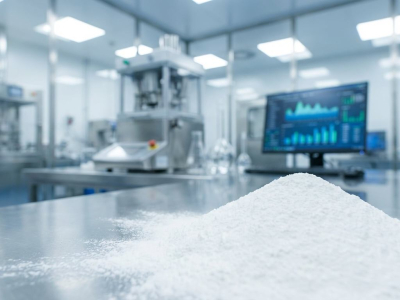
See how Shandong Shine Health runs microcrystalline cellulose quality control end to end, linking GMP in-process controls to MCC CoA specs and tablet performance.
Microcrystalline cellulose (MCC) often looks like a simple white powder, but anyone running direct compression knows the truth: small…
2026/01/30 09:02
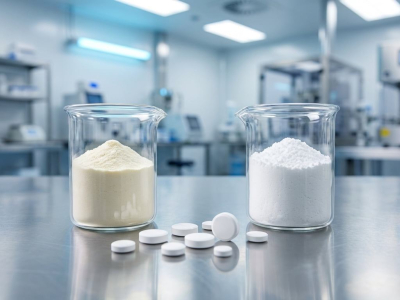
Resistant dextrin has evolved from being just an “invisible fiber” in beverages into a practical soluble corn fiber excipient for modern nutraceutical solids. The key question we frequently hear from formulators is straightforward: can resistant dextrin replace microcrystalline cellulose (MCC)—or…
2026/01/29 09:42
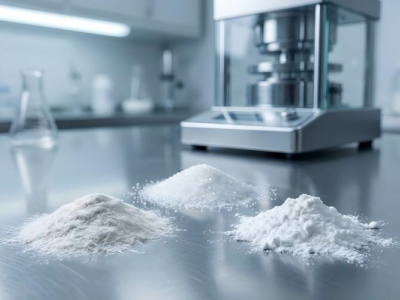
Direct compression formulation is a precise balancing act. Success often relies on the excipient "triangle": microcrystalline cellulose (MCC) for mechanical strength, lactose for solubility and mouthfeel, and magnesium stearate for essential lubrication. This guide provides a compact, field-tested…
2026/01/26 10:33

ISTA Test Selection Made Simple: Build a Real Package Testing Budget for Bulk Ingredients from China
When you export microcrystalline cellulose (MCC), resistant dextrin, or polydextrose from China, the “package” is not just a cardboard box—it is a sophisticated protective system. This system must survive compression from stacking, vibration from road and sea transit, shock from drops, long dwell…
2026/01/23 09:36

Magnesium stearate rarely dominates the headlines on an ingredient list, yet it often determines whether a tablet press runs efficiently—or grinds to a halt for cleaning. For supplement and pharmaceutical buyers, understanding this critical excipient goes beyond basic procurement; it is about…
2026/01/20 09:45

Many buyers search for a tapioca dextrin chemical formula because they want a quick way to judge performance. The practical truth is that resistant dextrin is not a single molecule with one fixed formula—it’s a family of partially hydrolyzed glucose polymers. That “mixed structure” is exactly what…
2026/01/19 09:05