ISTA Test Selection Made Simple: Build a Real Package Testing Budget for Bulk Ingredients from China
When you export microcrystalline cellulose (MCC), resistant dextrin, or polydextrose from China, the “package” is not just a cardboard box—it is a sophisticated protective system. This system must survive compression from stacking, vibration from road and sea transit, shock from drops, long dwell times in warehouses, and extreme humidity fluctuations. A clear ISTA test selection process helps you validate that system before your first full container ships, preventing costly product loss and reputation damage.
Below is the same decision framework we use at Shine Health when collaborating with overseas buyers: map the route, confirm the weak points, lock the right ISTA test selection standard (or ASTM D4169), decide sample confidence, and then build a package testing budget per SKU that your team can actually approve.

Mapping the Route: The First Step in ISTA Test Selection
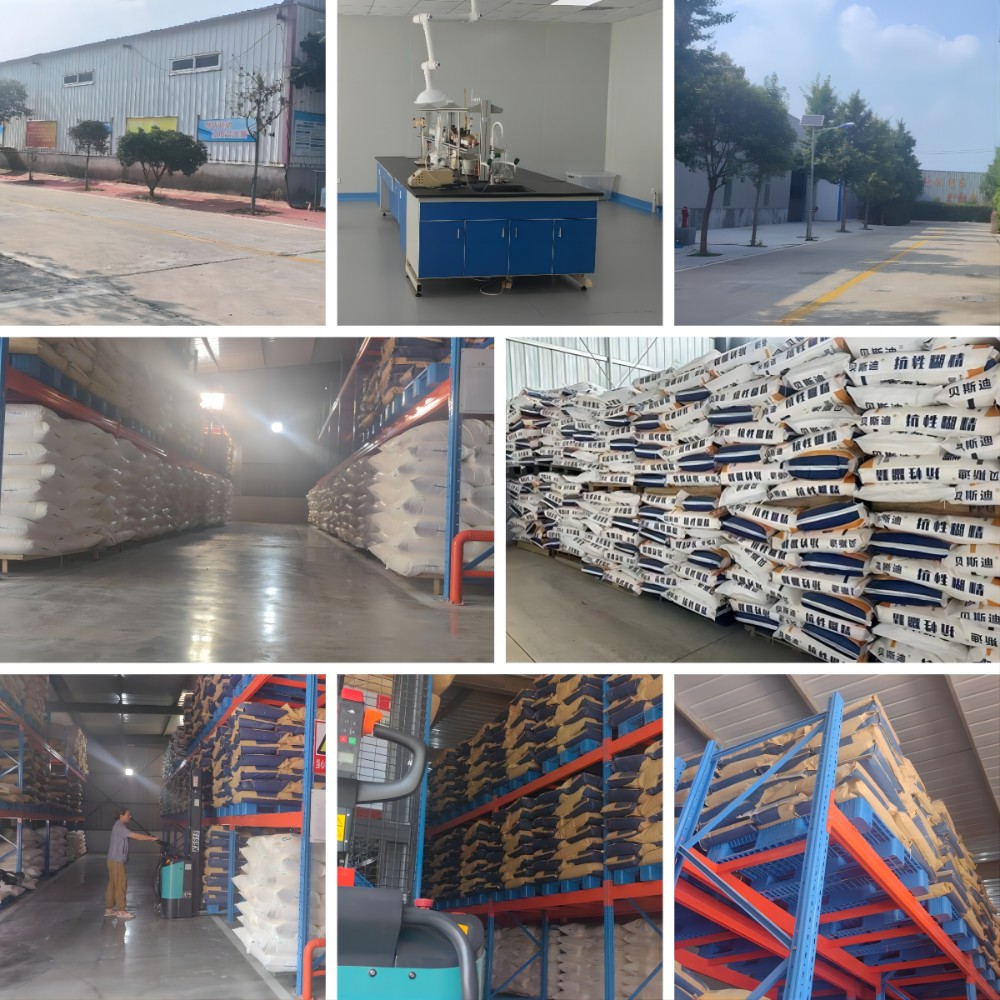
Good ISTA test selection starts with your real distribution path—not the lab’s price list. Before contacting a testing facility, you must understand the journey your product will take. For bulk ingredients leaving China, this journey is often more punishing than domestic logistics.
Create a one-page “route map” for each SKU or packaging configuration. This simple document should detail:
- Transport modes: Will it travel by courier/parcel (samples), LTL (Less Than Truckload), FTL (Full Truckload), or Ocean (FCL/LCL)? Ocean freight introduces unique low-frequency vibrations that can settle powders significantly.
- Handling points: Trace the product from our factory → export warehouse → consolidator → port of loading → vessel → destination port → cross-dock/DC → co-packer/retailer.
- Known stressors: Identify risks such as re-palletizing at distribution centers, clamp truck handling, forklift impacts, long warehouse dwell times, and high humidity exposure during ocean transit.
This route map lets the lab set vibration, compression, and drop profiles that align with your specific risk profile rather than a generic assumption. It also dramatically shortens quoting cycles for your transit testing services request because the lab has all the variables they need upfront.
Match the Route to Standards (ISTA 3A vs 3B vs 3E/3F vs ASTM D4169)
Once the route is clear, ISTA test selection becomes straightforward. While there are dozens of protocols, for most bulk-ingredient exports like our resistant dextrin or polydextrose, three ISTA families plus ASTM D4169 cover nearly every scenario.
Quick mapping table for ISTA test selection
| Shipment reality | Typical standard | Why it fits |
|---|---|---|
| Parcel samples (cartons via courier) | ISTA 3A | Simulates small-parcel handling systems (FedEx/UPS/DHL), focusing on repeated drops and random vibration. |
| Mixed freight/LTL network (cartons may be bumped, rehandled) | ISTA 3B | Targets the LTL/mixed freight environment where pallets might be broken down and cartons handled individually. |
| Unitized/palletized loads (bags, cartons, drums on pallets) | ISTA 3E / 3F | Designed specifically for pallet-level simulation. ISTA 3E is for similar unitized loads; 3F is for mixed loads. |
| Regulated / high-value system-level validation | ASTM D4169 | A comprehensive distribution-cycle approach for full systems, often required by medical or high-compliance sectors. |
For formal references, you can consult the ISTA Test Procedures or the ASTM D4169 standard scope.
ISTA test selection rule of thumb:
- If the SKU moves as a parcel (e.g., 1kg-5kg samples sent to R&D labs), start with ISTA 3A.
- If cartons travel through LTL hubs where they might be separated from the pallet, start with ISTA 3B.
- If your load stays unitized from our factory to your warehouse (the ideal scenario for bulk powders), start with ISTA 3E/3F.
- If your customer requires a specific “distribution cycle” (DC) validation and deep documentation, use ASTM D4169.
Note that if a retailer or marketplace (like Amazon) mandates ISTA 6-series (e.g., Project 6-Amazon.com-SIOC), that specific requirement overrides general ISTA test selection logic.
Add the “Bulk Ingredient” Layer: What MCC, Resistant Dextrin, and Polydextrose Need
A strong ISTA test selection plan must account for the unique physics of how powders behave during transit. Unlike rigid consumer goods, bulk powders settle, flow, and react to moisture.
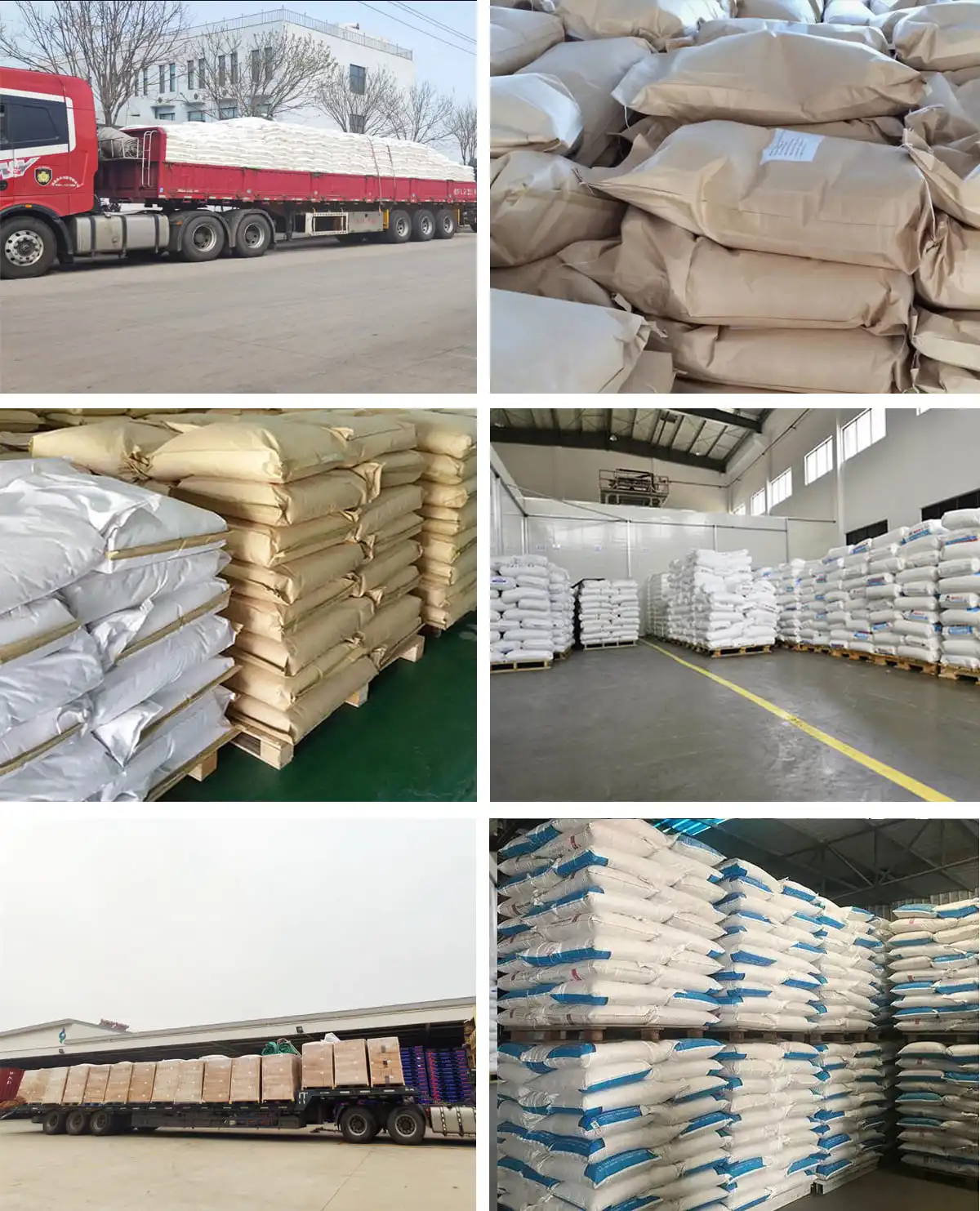
Common packaging formats we see for MCC, resistant dextrin, and polydextrose include:
- 20–25 kg multilayer moisture-barrier bags (Paper/PE/Aluminum laminates)
- Fiber drums / steel drums with double liners
- FIBC big bags (Super sacks) for large scale industrial use
- Export cartons on pallets (often used for smaller packs or high-value grades)
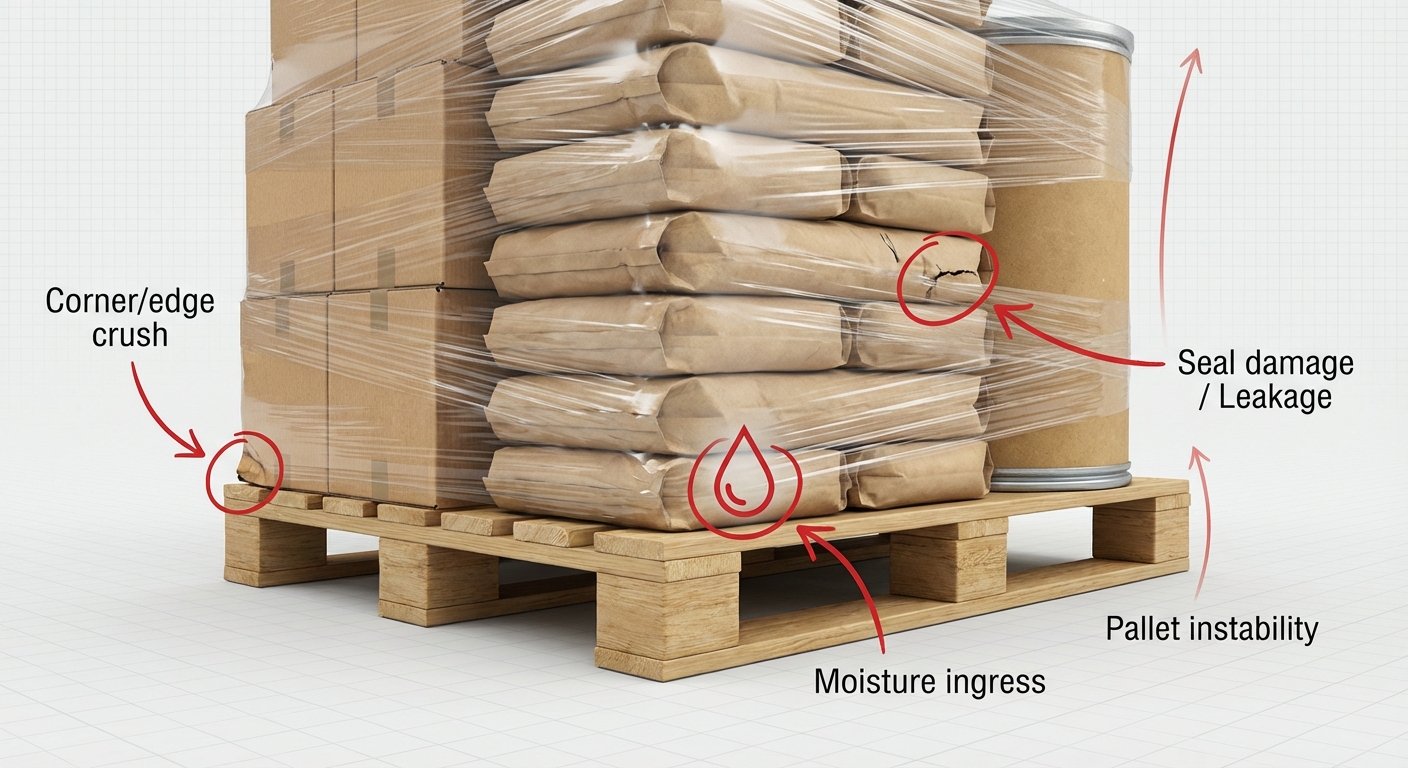
We have identified specific failure modes that occur on long export routes from China to Europe or the Americas:
- Moisture ingress: This leads to caking and reduced flowability, effectively ruining the functionality of hygroscopic ingredients like polydextrose.
- Corner/edge crush: Occurs in stacked pallets when compression strength is exceeded or humidity weakens the cardboard.
- Pallet instability: Drums or bags shifting under vibration, leading to overhang and eventual collapse.
- Powder leakage: Fine particles escaping from micro-tears or seal damage, causing cross-contamination.
For ocean shipments, ISTA test selection should include climatic conditioning (temperature + humidity). This can be done as pre-conditioning or integrated into the testing program. This step is often the difference between a test that “passes” in a dry lab and a package that survives a humid container crossing the equator.
Confidence Level: Replicates Make or Break ISTA Test Selection
Two companies can choose the exact same standard in ISTA test selection and yet achieve very different levels of confidence. The difference lies in the number of replicates tested and the strictness of the acceptance criteria.
A practical replicate plan for bulk ingredients:
- 3 samples per SKU: This is the baseline validation for an existing pack design where you just need confirmation.
- 5 samples per SKU: We recommend this for a first export launch or for high-value pharmaceutical grades (like MCC PH101/102).
- 8–10 samples per SKU: Necessary when testing a completely new packaging concept, often involving destructive checks to find the breaking point.
You must define acceptance criteria before testing begins. For powders, "pass/fail" is not enough. You should specify:
- Material loss (leakage): Typically ≤ 2% is the absolute maximum, but for high-value ingredients, 0% is preferred.
- Seal integrity: No breaches, pinholes, or wet spots allowed.
- Structural integrity: No pallet collapse; limited corner crush that does not compromise the inner unit.
- Product Quality: Change in bulk density or flowability must remain within internal limits (often ±5%) after vibration testing.
This approach turns a packaging validation plan into a powerful purchasing tool: you are not just buying “a test,” you are buying a decision you can defend to your stakeholders.
Building a Package Testing Budget Per SKU (Realistic, Not Optimistic)
A workable package testing budget keeps your project moving and reduces the shock of re-test costs. Many buyers underestimate the cost of proper conditioning and sample handling.
Use this planning formula to estimate costs:
Package testing budget per SKU ≈ Base Test Fee + (Replicate Handling × Extra Samples) + Conditioning Fees + Reporting + 20–40% Contingency
Typical cost ballparks (varying by lab, location, and documentation depth):
- ISTA 1/2-series: Often under $1,000 for basic screening.
- ISTA 3A: Commonly ranges from $1,000 to $3,500 per SKU depending on replicates.
- ASTM D4169 system programs: Often several thousand dollars per configuration; costs rise significantly with extended climatic profiles.
Worked example 1: ISTA 3A export carton (Resistant Dextrin)
A realistic package testing budget might include:
- Base ISTA 3A fee
- Handling for additional replicates (e.g., testing 3 cartons)
- 24–48h climatic conditioning (temperature/humidity)
- Photo-rich formal report
- 25% contingency for re-tests or shipping samples to the lab
Planning number many buyers use: ~$3,000 per SKU.
Worked example 2: ASTM D4169 pallet configuration (MCC drums)
A realistic package testing budget often includes:
- Base D4169 distribution cycle program
- Replicates + custom compression/top-load testing
- Extended climatic exposure (simulating a summer ocean route)
- Full data package/reporting
- 30% contingency
Planning range many buyers use: ~$6,000–$10,000 per configuration.
ISTA test selection tip for budgeting: Always request 2–3 lab quotes and ask each lab to itemize conditioning, reporting, and sample handling separately. This makes the package testing budget comparable—ensuring you aren't just looking at the headline price but the total cost of validation.
Copy/Paste Checklist: Packaging Validation Plan for Bulk Ingredients
Use this checklist as an internal SOP starter. It keeps ISTA test selection aligned across your procurement, Quality Assurance, and logistics teams.
Packaging Validation Plan – Bulk Ingredients (MCC / Resistant Dextrin / Polydextrose)
- Scope SKU(s) involved: Pack format(s): (e.g., 25kg bags / Fiber drums / Cartons / FIBC) Distribution route(s): (e.g., Parcel / LTL / Pallet / Ocean FCL)
- SKU(s) involved:
- Pack format(s): (e.g., 25kg bags / Fiber drums / Cartons / FIBC)
- Distribution route(s): (e.g., Parcel / LTL / Pallet / Ocean FCL)
- ISTA Test Selection / Standards Primary procedure: (e.g., ISTA 3A / ISTA 3B / ISTA 3E or 3F / ASTM D4169) Climatic conditioning: Yes/No (Settings: ___°C, ___%RH, for ___ hours)
- Primary procedure: (e.g., ISTA 3A / ISTA 3B / ISTA 3E or 3F / ASTM D4169)
- Climatic conditioning: Yes/No (Settings: ___°C, ___%RH, for ___ hours)
- Samples Replicates per SKU: Lot numbers & manufacturing dates: Pre-conditioning requirements:
- Replicates per SKU:
- Lot numbers & manufacturing dates:
- Pre-conditioning requirements:
- Acceptance Criteria Max allowed powder loss (%): Seal integrity: (Pass/Fail) Allowed cosmetic damage: Pallet stability requirements:
- Max allowed powder loss (%):
- Seal integrity: (Pass/Fail)
- Allowed cosmetic damage:
- Pallet stability requirements:
- Documentation Lab protocol & equipment settings Photos/video at key stages (drop, vibration, compression) Final report and conclusions
- Lab protocol & equipment settings
- Photos/video at key stages (drop, vibration, compression)
- Final report and conclusions
- Re-test Triggers Packaging supplier or material specification change Distribution route or carrier mode change Major formulation or fill-weight change
- Packaging supplier or material specification change
- Distribution route or carrier mode change
- Major formulation or fill-weight change
Working with China Suppliers: What to Request Up Front
Buyers searching for a reliable Microcrystalline Cellulose Manufacturer or Resistant Dextrin Supplier often face the same challenge: packaging information arrives late, and testing gets delayed. This can jeopardize launch timelines.
To keep ISTA test selection and the package testing budget on schedule, request the following from your supplier early in the engagement:
- Finished pack photos: High-resolution images of the inner bag, outer container, and palletization.
- Pallet layout drawings: Diagrams showing stacking patterns and layers.
- Material specifications: Specs for the bag films, drum liners, and carton burst strength (ECT/BST).
- Storage recommendations: Specific temperature and humidity limits for the ingredient.
- Historical data: Any known damage patterns or previous test results (if available).
If you are sourcing from Shine Health, we proactively support a practical packaging validation plan. We share detailed packaging visuals, coordinate sample preparation for testing labs, and help you communicate test intent clearly with ISTA-certified facilities in China or abroad.
Next Step: Turn ISTA Test Selection Into a Shippable Plan
A disciplined ISTA test selection approach protects your product, your schedule, and your customer relationships. It transforms packaging from a commodity into a validated protective system.
- Map the route and identify the top hazards (humidity, vibration, compression).
- Confirm the right standard (ISTA 3-series or ASTM D4169) based on that route.
- Set replicates and acceptance criteria that match your specific risk tolerance.
- Approve a budget that realistically includes conditioning, reporting, and contingency.
Request a tailored test plan and sample coordination:
info@sdshinehealth.com | WhatsApp
References
- International Safe Transit Association. (2025). ISTA Test Procedures. https://ista.org/test_procedures.php
- ASTM International. (2024). ASTM D4169: Standard Practice for Performance Testing of Shipping Containers and Systems. https://www.astm.org/standards/d4169
- Dunno, K. D. (2014). Effects of transportation hazards on package performance and food product shelf life. Semantic Scholar.
- Greco, A., Renzini, A., Vaccari, M., & De Camargo, F. V. (2019). Testing methods and equipment for palletized products. IOP Conference Series: Materials Science and Engineering.
- Agilian Technology. (2024). ISTA package testing overview and considerations.