Magnesium Stearate: The “Small” Excipient That Keeps Tablets Running
Magnesium stearate rarely dominates the headlines on an ingredient list, yet it often determines whether a tablet press runs efficiently—or grinds to a halt for cleaning. For supplement and pharmaceutical buyers, understanding this critical excipient goes beyond basic procurement; it is about ensuring line efficiency and product stability. Ideally, magnesium stearate functions as a seamless tablet lubricant and flow agent: used at low concentrations, it facilitates powder movement, significantly reduces friction, and prevents formulation ingredients from adhering to expensive tooling.

What is Magnesium Stearate? (Composition and Labeling)
At its core, Magnesium Stearate is the magnesium salt of stearic acid, a long-chain saturated fatty acid. It presents as a fine, white, water-insoluble powder that is safe for human consumption. In the context of finished product labeling, it typically appears under the "Other Ingredients" section simply as "magnesium stearate." However, with the rising demand for clean-label and plant-based products, you will increasingly see it listed as "vegetable magnesium stearate" when the fatty acid component is derived exclusively from vegetable fats rather than bovine sources.
For quality assurance audits and product development, professional buyers require more than just a name. A comprehensive Certificate of Analysis (COA) is essential, along with key compliance documents such as origin statements (proving vegetable source) and impurity limits. The objective is consistency: ensuring the magnesium stearate you qualify during R&D is identical to the magnesium stearate you receive in commercial batches, preventing unexpected deviation in tablet hardness or dissolution profiles.
The Critical Role on the Tablet Press
In the world of solid dosage manufacturing, magnesium stearate is the industry standard for an external tablet lubricant, glidant, and anti-adherent. Its primary function is to address the physical challenges of compressing powders into solid forms at high speeds.
Practically, magnesium stearate works by delaminating and forming a microscopic film on particle surfaces and the metal tooling of the press. This mechanism delivers three vital benefits:
Improved Powder Flow: It acts as a glidant by reducing inter-particle friction, ensuring the die cavities fill uniformly and consistently.
Reduced Friction: It lowers the coefficient of friction between the tablet and the die wall. This reduction is crucial for lowering the ejection force required to push the compressed tablet out of the die, thereby extending the life of your punches and dies.
Anti-Adherence: It prevents the formulation from sticking to the punch faces (sticking) or breaking off in small divots (picking).

A typical usage level falls between 0.25% and 2.0% w/w, depending heavily on the specific formulation and the type of equipment used. However, the processing detail that buyers and operators often underestimate is mixing time. Magnesium stearate is highly sensitive to shear. Over-mixing can result in "over-lubrication," where the particles are so thoroughly coated that they cannot bond effectively, leading to reduced tablet hardness (capping) and slowed dissolution rates (due to the hydrophobic nature of the stearate).
If your blend includes fibers or cohesive powders, the quality of your magnesium stearate can be the deciding factor between stable, continuous output and frequent, costly downtime. When tuned correctly, it prevents ingredients from sticking while maintaining the dissolution profile within specification.
Vegetable Sources: Adapting to Market Trends
Historically, stearates could be derived from animal sources, but the modern supplement market has shifted decisively. Most high-quality magnesium stearate today is vegetable-derived, commonly produced from refined palm oil and/or coconut oil.
Because the performance of the lubricant depends on the specific fatty acid composition, knowledgeable buyers often request a fatty-acid profile (specifically the ratio of stearic acid to palmitic acid). This ratio influences the specific surface area and crystalline structure of the powder, which in turn affects compression behavior. When sourcing vegetable magnesium stearate, we recommend confirming that the origin declaration aligns with your brand's market positioning (such as vegetarian/vegan claims) and any specific sustainability documentation your customers may require regarding palm oil sourcing.
Technical Specifications and Quality Parameters
To ensure your manufacturing process runs without interruption, verifying the technical parameters of your raw materials is non-negotiable. Below is a snapshot of the common checks we perform and that buyers should look for when qualifying a lubricant:
| Quality Parameter | Typical Specification | Significance |
|---|---|---|
| Appearance | White, very fine, light powder | Indicates purity and proper milling. |
| Identification | Positive for Mg and Stearate | Confirms chemical identity (CAS 557-04-0). |
| Magnesium Content | 4.0% – 5.0% | Ensures the correct stoichiometric ratio. |
| Loss on Drying | ≤ 5.0% | Controls moisture to prevent agglomeration. |
| Free Acid | ≤ 1.0% | Indicates the quality of the reaction and refining. |
| Melting Point | 110℃ – 160℃ | Critical for processing stability under heat. |
| Particle Size | ≥ 99% through 325 mesh | Finer particles offer better surface coverage and lubrication efficiency. |
For teams designing a complete solid dosage system, magnesium stearate is frequently qualified alongside other core excipients. For instance, it works in tandem with fillers and binders like Microcrystalline Cellulose and functional soluble fibers such as Resistant Dextrin to create a robust, high-speed tablet formulation.
Addressing the "Absorption" Myth
Despite its widespread acceptance in global pharmacopeias and decades of safe use, magnesium stearate occasionally faces scrutiny in online consumer forums, with claims that it "blocks absorption" or creates a harmful film in the intestine.
From a manufacturing and scientific perspective, these fears are largely unfounded. The "film" that magnesium stearate forms is microscopic and exists primarily to lubricate the tooling during the fraction of a second that compression occurs.
The Reality of Dissolution:
The real risk is not biological blocking, but rather formulation engineering. If a manufacturer uses too much magnesium stearate or blends it for too long, the hydrophobic nature of the ingredient can indeed delay the wetting of the tablet in the stomach. However, this is a quality control issue, not a safety issue. Experienced manufacturers, like those we support, manage this by strictly controlling blending times and validating dissolution profiles. When used correctly, magnesium stearate ensures the tablet reaches the consumer intact and disintegrates exactly as intended.
Why Choose Shine Health as Your Supplier?
When comparing a China magnesium stearate supplier or an Asian manufacturer of vegetable-derived excipients, we believe buyers should prioritize verifiable evidence over marketing claims. At Shine Health, we differentiate ourselves through rigorous quality control and advanced infrastructure.
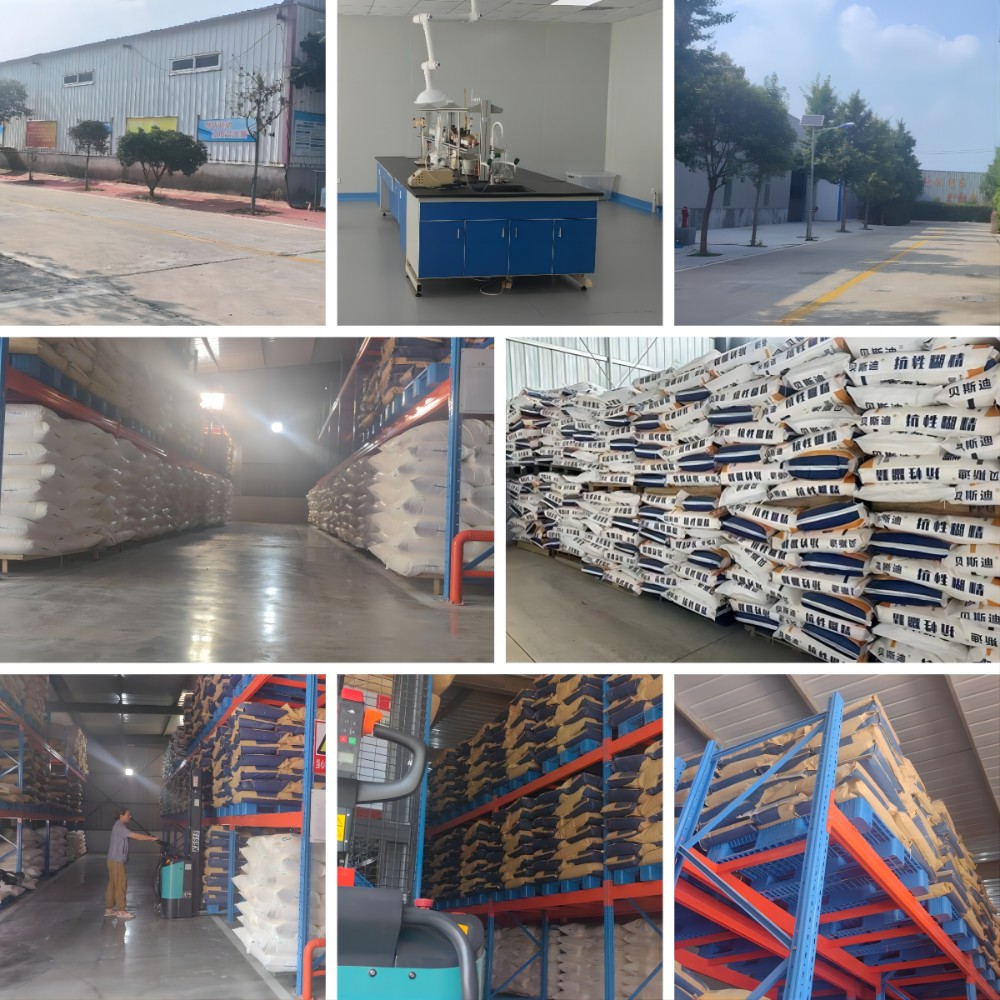
Our Manufacturing Advantages:
Advanced Technology: We utilize a fully automated, unmanned production line with precision equipment derived from German engineering standards. This reduces human error and ensures batch-to-batch consistency.
Certified Quality: Our facilities and products adhere to global standards, holding certifications including ISO9001, BRC, HALAL, HACCP, and KOSHER. This makes our magnesium stearate suitable for a wide range of global markets and dietary requirements.
Documentation Support: We understand that speed is critical. We provide export-ready documentation packages, including COAs, source declarations (vegetable fats), and impurity controls, ensuring your QA team can move from sampling to approval without delay.
Comprehensive Portfolio: We are not just a single-ingredient vendor. We support complex tablet projects with a full range of excipients, allowing you to consolidate your supply chain.
Frequently Asked Questions (FAQ)
Q: What is the primary source of your Magnesium Stearate?
A: Our Magnesium Stearate is vegetable-derived, produced from high-quality refined palm oil or coconut oil, making it suitable for vegetarian and vegan formulations.
Q: What packaging options are available for bulk orders?
A: We typically supply Magnesium Stearate in 15 kg/bag or 20 kg/bag options, designed to protect the fine powder from moisture and contamination during transit.
Q: How does particle size affect my tablet production?
A: Particle size is crucial for lubrication efficiency. Our product is specified with ≥99% passing through 325 mesh. This fine particle size ensures a high specific surface area, allowing for effective coating of the granule surface even at low usage rates (0.25%–2.0%).
Q: Can I get a sample for pilot testing?
A: Yes, we encourage testing. Please contact our sales team to request a sample along with the relevant technical documentation.
Contact Us for Quotes and Samples
If you are qualifying magnesium stearate for your next tablet or capsule production run, we are ready to assist. We can share our current specifications, discuss pricing, and provide the technical support needed to ensure a smooth validation process.
Email: info@sdshinehealth.com
WhatsApp: 86 134 0544 3339
Website: www.sdshinehealth.com
Partner with Shine Health for reliable, high-quality excipients that keep your production lines moving.