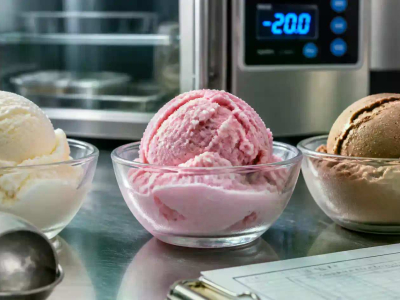
Low calorie ice cream texture rarely fails on day one—it usually breaks down after storage, distribution, and real-world temperature swings. When fat and sugar are reduced, the mix can look fine at the freezer exit yet turn thin, coarse, or fast-melting after repeated freeze–thaw stress.
That’s why…
2026/10/21 09:39

Adding dietary fiber to an established breakfast cereal can be commercially attractive, but it also introduces a familiar risk: even small shifts in sweetness, aroma, and crunch can change repeat purchase behavior. For R&D and procurement teams, the practical standard is simple—do not claim “…
2026/10/19 11:29
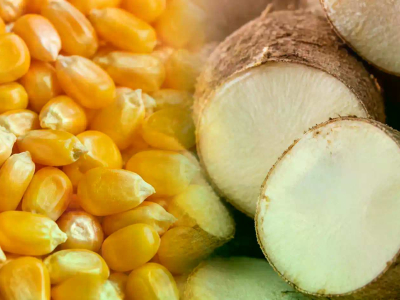
In B2B procurement, gluten free resistant dextrin is often treated as a simple check-box: confirm gluten-free paperwork, confirm the supplier, and move forward. The challenge starts when the botanical source changes—most commonly a switch from corn starch to tapioca (cassava) starch. Even if both…
2026/10/15 09:53

Light-flavor instant drink powders and supplement sachets are unforgiving: small shifts in powder condition can show up quickly as handling issues during blending and packing. That’s why many buyers treat water activity as an incoming inspection gate—especially when qualifying Organic Resistant…
2026/10/14 09:29

Changing a dietary supplement tablet from uncoated to film-coated is best handled as a controlled ODM project, not a quick production adjustment. The difference is simple: film coating adds more decisions materials, process settings, in-process checks, sampling, and release criteria. When those…
2026/10/08 09:42

For buyers sourcing microcrystalline cellulose from China, the first email often asks for a unit price. In practice, that question usually comes too early. Microcrystalline cellulose is purchased across pharmaceuticals, nutraceuticals, food, cosmetics, and industrial uses, and a quote only becomes…
2026/09/30 08:59

In pediatric products, a pediatric tablet sweet coating is far more than just decoration—it forms the crucial first impression and defines those initial seconds in the mouth. That's why development teams achieve superior results when they validate both pediatric tablet coating color evaluation and…
2026/09/29 11:57
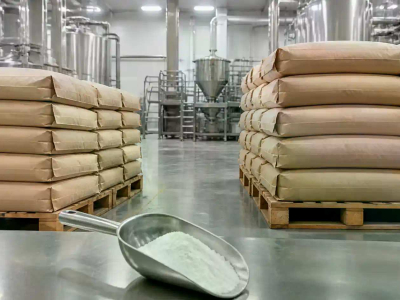
Bulk buying magnesium stearate often feels like a straightforward price-per-kilo decision. However, in practice, the bag size you pick can either support a seamless production routine or subtly introduce extra openings, re-sealing steps, and leftover material handling into every shift. The most…
2026/09/28 10:30

Reformulating a well-known cereal to achieve a higher-fiber claim is rarely "just add fiber." Even when an ingredient is touted for a mild or neutral sensory profile, the finished cereal is a complex system—grain notes, sweetness, aroma release, and crunch all interact. That's why many R&D…
2026/09/24 09:16

For food factories with tight evaluation windows, a sample is only truly complete with its accompanying sample documentation. This paperwork helps teams quickly identify the lot, assess key quality indicators, and resolve basic handling questions, all without endless email chains. Projects often…
2026/09/23 10:01

International buyers often combine microcrystalline cellulose (MCC) and resistant dextrin on a single purchase order to streamline logistics and administrative tasks. While this approach can boost commercial efficiency, it's crucial to ensure that each material maintains its unique identity and…
2026/09/22 09:39
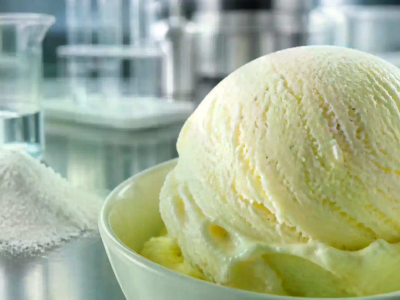
Developing low-fat frozen desserts presents a unique challenge: how to achieve that desirable creamy, smooth mouthfeel without the full complement of fat. Microcrystalline cellulose (MCC) stands out as a valuable ingredient in this pursuit. The real test, however, isn't just about MCC being labeled…
2026/09/21 10:56