Make Gluten Free Bakery Softer With Organic Tapioca Resistant Dextrin
Developing premium gluten-free products often feels like a balancing act. You can increase the fiber content, or you can maintain a soft crumb and clean flavor—but achieving both simultaneously is a significant challenge for R&D teams. Organic tapioca resistant dextrin is designed to close that gap. Because it dissolves easily, stays low in viscosity, and remains neutral in taste, our organic tapioca resistant dextrin supports fiber enrichment and sugar reduction without turning doughs gummy or beverages cloudy.

Why Tapioca Origin Matters in Gluten-Free Formulas
Tapioca (cassava) is naturally gluten-free, which makes organic tapioca resistant dextrin a strong fit for gluten-free bakery and plant-based positioning. In today's market, the "clean label" movement drives consumer choices. The tapioca origin story simplifies label communication for products where "tapioca" is already a familiar, trusted ingredient to health-conscious consumers compared to corn-based alternatives.
For your R&D teams, the bigger win is performance. Our organic tapioca resistant dextrin helps you raise total dietary fiber while keeping dough handling predictable. This is particularly crucial in gluten-free bread, rolls, cookies, and bars where texture is easily compromised by traditional fibers that absorb too much water or create a gritty mouthfeel.
Defining Organic Tapioca Resistant Dextrin
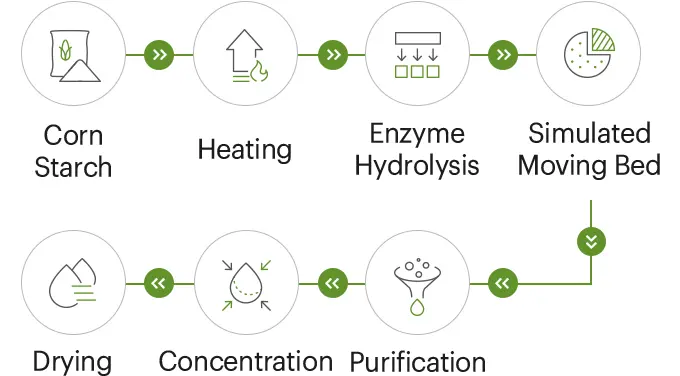
Organic tapioca resistant dextrin is a soluble dietary fiber derived from organic tapioca starch through a controlled enzymatic hydrolysis process. It is a non-digestible carbohydrate that passes through the small intestine without being absorbed, acting as an excellent prebiotic.
Typical parameters shown across our Shine Health resistant dextrin range include:
- Appearance: White to light yellow powder
- Fiber content: ≥82% (High purity options available)
- Protein: ≤6.0%
- Flavor: Mild, sweet, and pure
- Storage: Store in a cool, dry place
Because we produce both tapioca-based and maize-based fibers, we allow you to select the source that best matches your product story and supply plan—while keeping a consistent approach to specification review and Quality Control (QC).
Formulation Performance That Helps You Scale
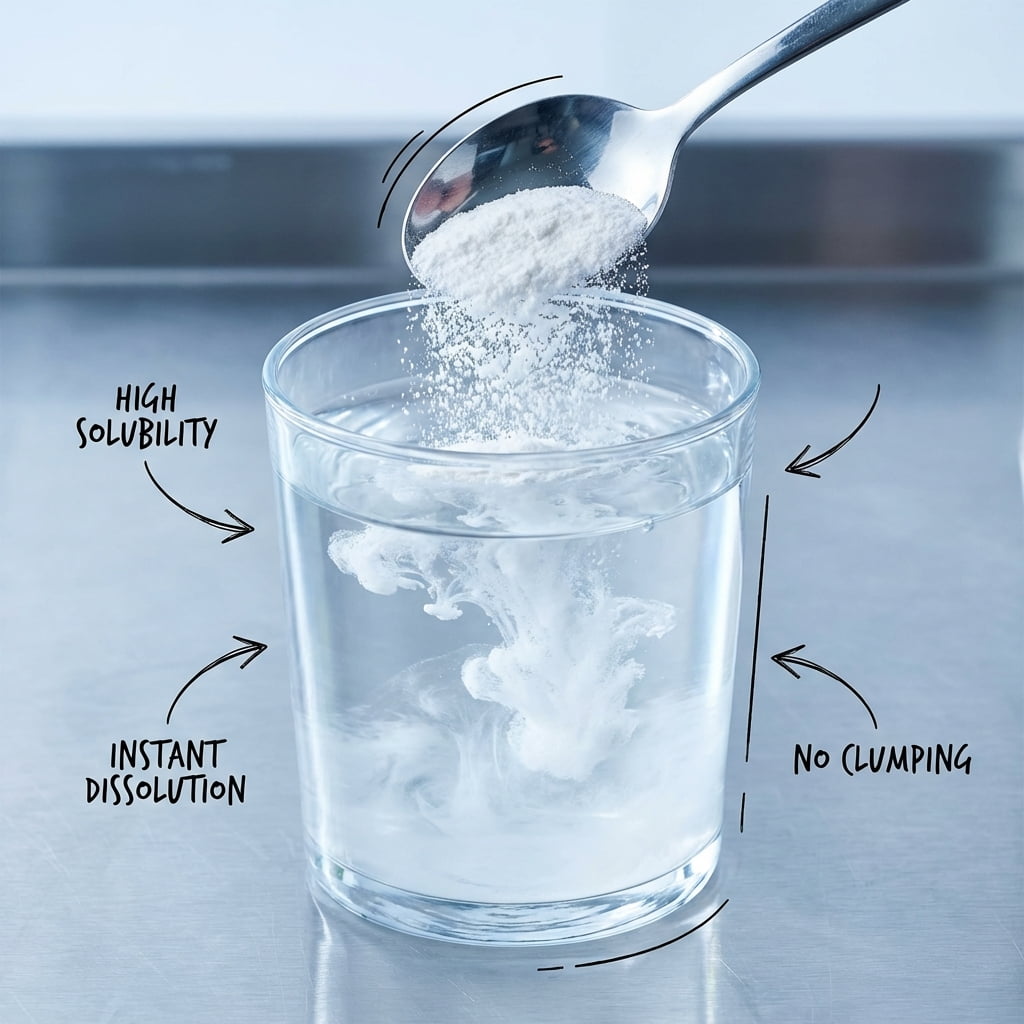
High Solubility and Low Viscosity
One of the standout features of our ingredient portfolio is the physical behavior of the powder. Our resistant dextrin is positioned for high solubility, low viscosity, and a neutral taste. This combination is why formulators prefer organic tapioca resistant dextrin for:
- Gluten-free doughs and batters: You get the fiber enrichment without the heavy thickening that ruins loaf volume.
- Snack bars and clusters: It provides binding properties where stickiness is not welcome.
- Ready-to-mix powders and beverages: It ensures a smooth mouthfeel and clean flavor profile.
Heat and Acid Stability
For real production environments, stability matters as much as nutrition. Shine Health's resistant dextrin products are heat-stable and acid-resistant, which supports:
- Baking: Maintaining functionality through high-heat oven conditions for gluten-free bakery applications.
- Acidic beverages: Helping reduce precipitation risk and supporting shelf-life clarity in functional drinks.
Consumer-Facing Benefits Without Overpromising
When marketing your final product, you can link resistant dextrin and tapioca-based prebiotic fibers with benefits such as prebiotic support, digestive regularity, satiety, and low glycaemic positioning. When you build claims around organic tapioca resistant dextrin, we recommend keeping wording label-safe and general—focused on everyday wellness.
Common, practical claim directions include:
- "Soluble dietary fiber from tapioca"
- "Gluten-free fiber for everyday digestive support"
- "High-fiber formulation" and "reduced sugar" (as supported by your final recipe and local regulations)
Tapioca vs. Maize: Choosing the Right Source
We offer both tapioca-derived and maize-derived resistant dextrins, giving you options for brand positioning and sourcing.
| Decision point | Organic Tapioca Resistant Dextrin | Resistant Dextrin (Maize) |
|---|---|---|
| Source story | Cassava/tapioca, naturally gluten-free | Non-GMO corn starch option |
| Label preference | "Tapioca fiber" style positioning | "Corn fiber" style positioning |
| Processing behavior | High solubility, low viscosity, neutral taste | Similar functional profile; widely used |
| Best fit examples | Gluten-free bakery, clean-label snacks, beverages | Cereals, bars, beverages, broad mainstream use |
If your product strategy is strictly gluten-free and plant-based, organic tapioca resistant dextrin is often the most straightforward fit for your narrative.
What Buyers Should Verify When Sourcing
As a Chinese resistant dextrin manufacturer serving global customers, Shine Health encourages a simple, technical checklist to ensure you are getting the quality your brand deserves:
- Specification Match: Confirm appearance, ≥82% fiber, protein, and moisture levels.
- Quality Systems: Our facilities boast ISO, BRC, HALAL, HACCP, and KOSHER certifications, ensuring we meet international standards.
- Process Control: Our production highlights include imported biological enzymes, German-origin precision production lines, and automated central control from feeding to filling, supported by a fully equipped QC laboratory.
Packaging and Customization Options
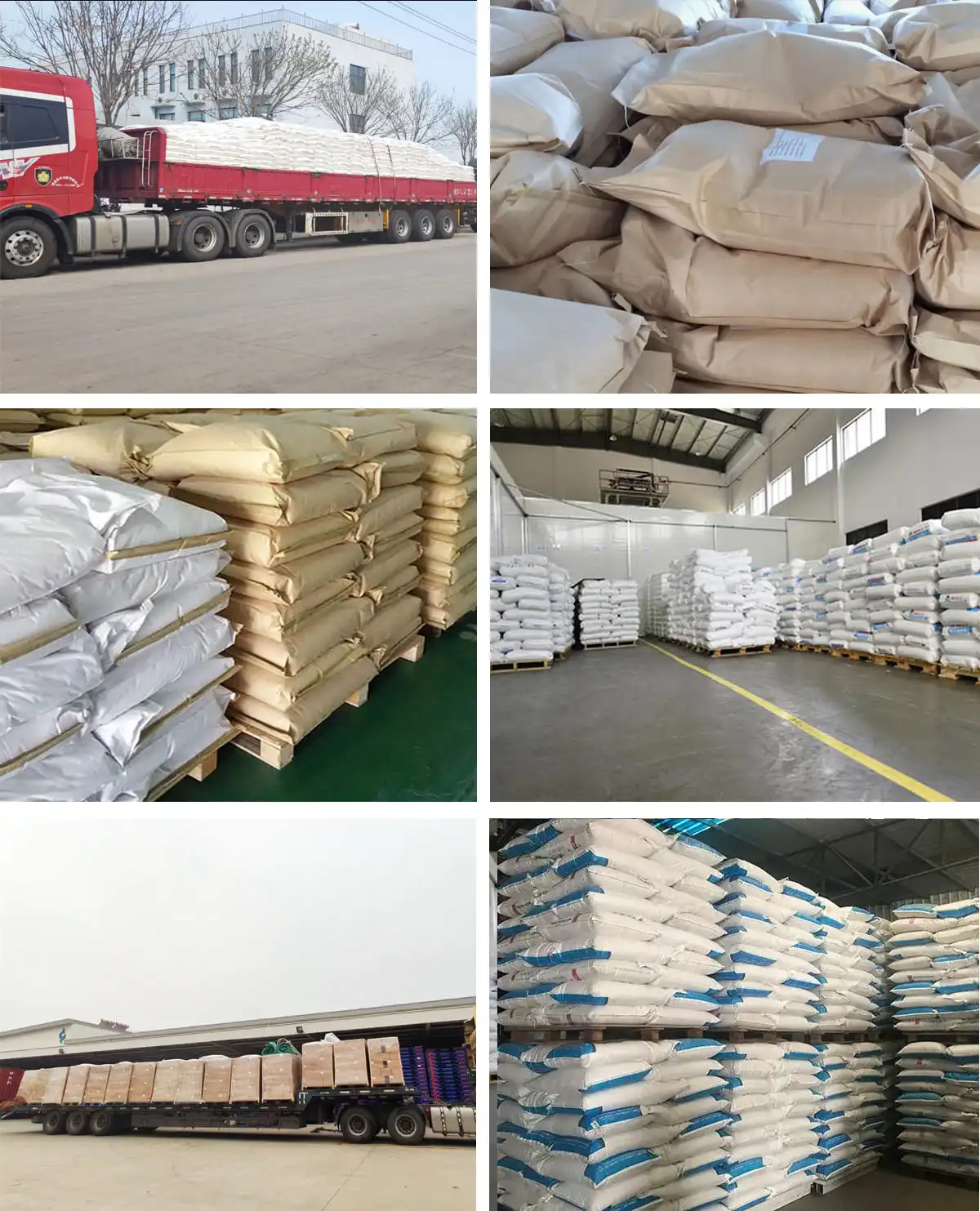
We understand that logistics are key to your operation. Bulk delivery is typically available in 25 kg paper bags or fiber drums. Furthermore, we support custom packaging, private label, and ODM requests across our dietary fiber portfolio to align with your specific branding requirements.
Next Steps for R&D and Purchasing
If you are evaluating organic tapioca resistant dextrin for gluten-free bakery, snacks, or beverages, we are ready to assist. We can share product documentation, typical specifications, packaging formats, and sampling guidance to help you make an informed decision.
For inquiries, please reach us at info@sdshinehealth.com or via WhatsApp.
FAQ
Q: Is organic tapioca resistant dextrin suitable for gluten-free bakery?
A: Absolutely. Tapioca (cassava) is naturally gluten-free, and our organic tapioca resistant dextrin is positioned specifically for gluten-free bakery applications where you need fiber without heavy viscosity or gummy textures.
Q: What specifications should I expect to see on a COA?
A: Common parameters shown across our resistant dextrin pages include: white to light yellow appearance, fiber ≥82%, and protein ≤6.0%, alongside strict microbiological limits.
Q: Will organic tapioca resistant dextrin change taste or mouthfeel?
A: No. It is described as neutral in taste, highly soluble, and low viscosity, which helps maintain the clean flavor and smooth textures your customers expect.
Q: What certifications do you support?
A: We support a full range of international certifications including ISO, BRC, HALAL, HACCP, and KOSHER.
References
- Ye, Z., Arumugam, V., Haugabrooks, E. M., Williamson, P., & Hendrich, S. (2015). Soluble dietary fiber (Fibersol-2) decreased hunger and increased satiety hormones in humans when ingested with a meal. Nutrition Research. https://doi.org/10.1016/j.nutres.2015.03.004
- Guérin-Deremaux, L., Pochat, M., Reifer, C., Wils, D., Cho, S., & Miller, L. (2011). The soluble fiber NUTRIOSE induces a dose-dependent beneficial impact on satiety over time in humans. Nutrition Research. https://doi.org/10.1016/j.nutres.2011.09.004
- Mysonhimer, A. R., & Holscher, H. D. (2022). Gastrointestinal effects and tolerance of nondigestible carbohydrate consumption. Advances in Nutrition. https://doi.org/10.1093/advances/nmac094
- Jochym, K., & Nebesny, E. (2017). Enzyme-resistant dextrins from potato starch for potential application in the beverage industry. Carbohydrate Polymers. https://doi.org/10.1016/j.carbpol.2017.05.041
- Śliżewska, K., Kapuśniak, J., Barczyńska, R., & Jochym, K. (2012). Resistant dextrins as prebiotic. In Prebiotics and probiotics science and technology. https://doi.org/10.5772/51573
- Trithavisup, K. (2023). Production and properties of resistant maltodextrin from cassava starch (Thesis). https://doi.org/10.58837/chula.the.2020.221