Blind Sensory Testing Is the Only Safe Cereal Reformulation Proof
Adding dietary fiber to an established breakfast cereal can be commercially attractive, but it also introduces a familiar risk: even small shifts in sweetness, aroma, and crunch can change repeat purchase behavior. For R&D and procurement teams, the practical standard is simple—do not claim “same taste” unless a consumer blind test supports it.

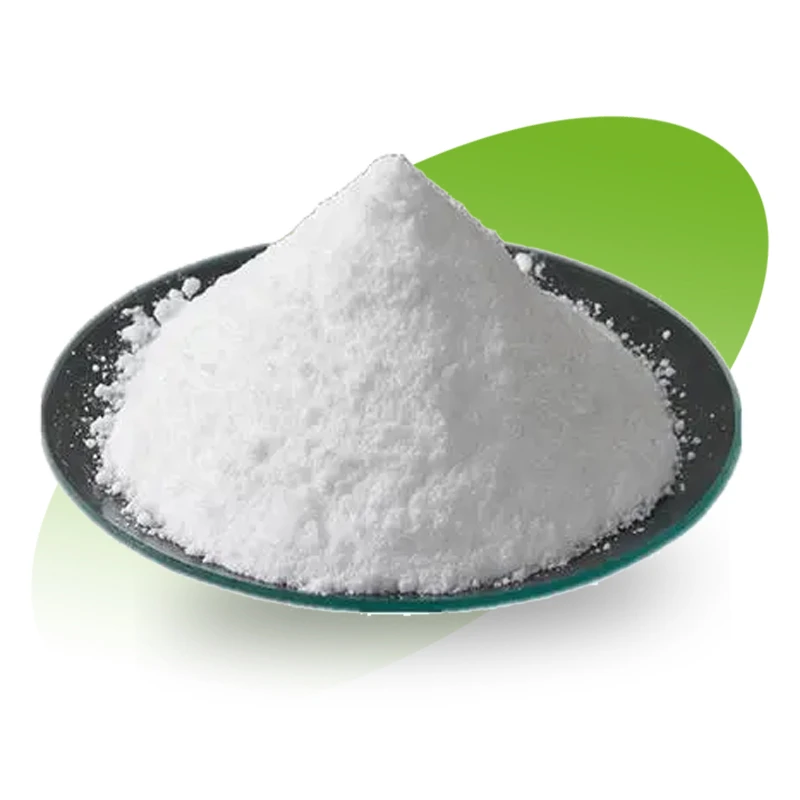
1) What to look for in a fiber ingredient for cereal reformulation
When cereal brands pursue cereal reformulation, ingredient selection typically starts with functionality that minimizes sensory disruption. In practice, teams often screen for:
- Low sweetness / neutral taste to help preserve the original flavor direction
- High solubility to reduce processing and dispersion issues
- Stability especially when heat exposure is part of the process
Within Shine Health’s dietary fiber portfolio, two items commonly evaluated for these targets are:
- High fiber low sweetness Resistant Dextrin
- Soluble Corn Fiber
On Shine Health’s product pages, Soluble Corn Fiber is described with attributes such as high solubility, low sweetness profile, neutral taste, and stability including being heat-stable and water-soluble, with “no tendency to crystallize over time”. These are exactly the kinds of properties cereal developers typically want to validate early—before moving to pilot runs.
2) A concise spec snapshot for resistant dextrin screening
For buyers and formulators, a disciplined supplier review begins with what is actually specified. Shine Health lists the following parameters for its resistant dextrin (corn starch as raw material):
| Parameter | Specification |
|---|---|
| Product name | Resistant Dextrin |
| Raw materials | Corn starch |
| Appearance | White to light yellow |
| Fiber content | ≥82% |
| Protein content | ≤6.0% |
| Storage conditions | Store in a cool place |
Those numbers are useful for dietary fiber target calculations and for setting QC expectations during incoming inspection—yet they still do not answer the commercial question that matters most to cereal brands: does the new version taste the same to consumers?
3) Why blind sensory testing is non-negotiable before a relaunch
A “neutral” ingredient profile does not automatically translate to an unchanged cereal. Fiber addition can influence sweetness perception, flavor intensity, bowl-life texture, and aftertaste, especially once the product is eaten under real conditions such as with milk.
Industry research on fiber fortification has repeatedly shown that sensory acceptance can decline when fiber is added, which is why blind sensory testing is widely treated as a gate before any large-scale relaunch. For cereal brands, the safest practice is to define “acceptable difference” in advance, then test against it.
4) A practical blind A/B test design for cereal reformulation

A workable blind sensory testing plan does not need to be complicated—but it does need to be controlled. A typical A/B comparison for cereal reformulation includes:
- Match production conditions: Produce the original and the fiber-fortified cereal under comparable conditions.
- Blind coding: Use randomized 3-digit codes; remove all packaging cues.
- Randomized serving order: Counterbalance order to reduce sequence bias.
- Define attributes: At minimum—sweetness, aroma, flavor, crunch, aftertaste, and overall liking.
- Use real consumption conditions: If the cereal is normally eaten with milk, test with milk.
- Predefine pass/fail criteria: Decide what “close enough” means before analyzing results.
This is where decision-making becomes defensible: a relaunch decision is supported by consumer data, not assumptions.
5) Moving from bench trials to supply decisions with Shine Health
For procurement teams comparing options, the goal is to connect product specs to factory reality and support. Shine Health describes sourcing and manufacturing elements that buyers often request during qualification—such as NON-GMO corn starch, use of imported enzymes, a precision production line of German origin, and a fully equipped QC laboratory. The company also states it offers 24/7 online support and ODM production.
For cereal projects, a commonly used workflow keeps responsibilities clear:
Ingredient screening → lab formulation → internal sensory screening → pilot production → consumer blind sensory testing → relaunch decision
If you are evaluating resistant dextrin or soluble corn fiber for a cereal line extension, keep the purchasing conversation tied to that workflow—so the ingredient choice is validated not only on paper, but also in the finished bowl.
6) Where to start
- Review Shine Health’s specifications for High fiber low sweetness Resistant Dextrin.
- If neutral taste and processing stability are priorities, compare against the attributes listed on the Soluble Corn Fiber page.
- Build your relaunch plan around blind sensory testing—the only credible way to confirm original taste retention.
For product pages and inquiries, visit www.sdshinehealth.com or email info@sdshinehealth.com.
FAQs
Can resistant dextrin be used to raise fiber while keeping cereal taste the same?
It can be evaluated for that purpose, but “same taste” should be confirmed through blind sensory testing comparing the original and reformulated cereal.
Does soluble corn fiber have a neutral taste?
Shine Health’s Soluble Corn Fiber page describes a neutral taste and low sweetness profile, which are relevant attributes for cereal reformulation.
What is a minimum blind sensory testing checklist for cereal reformulation?
Blind coding, randomized serving order, matched production conditions, defined sensory attributes including crunch, and testing under real consumption conditions such as with milk.
What resistant dextrin specifications are listed by Shine Health?
Resistant dextrin is listed with corn starch as raw material, appearance white to light yellow, fiber content ≥82%, protein ≤6.0%, and storage “store in a cool place.”
What supplier support does Shine Health state it provides?
Shine Health states it offers 24/7 online support and can provide ODM production.
References
- Grigor, J., Brennan, C., Hutchings, S., & Rowlands, D. (2016). The sensory acceptance of fibre-enriched cereal foods: A meta-analysis. International Journal of Food Science & Technology. https://doi.org/10.1111/IJFS.13005
- Martin, C., Chiron, H., & Issanchou, S. (2013). Impact of dietary fiber enrichment on the sensory characteristics and acceptance of French baguettes. Journal of Food Quality. https://doi.org/10.1111/JFQ.12045
- Tolve, R. (2024). Fortified cereal-based foodstuffs: Technological, sensory. PMC. https://pmc.ncbi.nlm.nih.gov/articles/PMC11049349/
- Żakowska-Biemans, S. (2023). Sensory profile, consumers’ perception and liking of fibre-fortified products. Applied Sciences. https://www.mdpi.com/2076-3417/13/2/694