Pick 15kg or 20kg Magnesium Stearate Bags Without Waste
Bulk buying magnesium stearate often feels like a straightforward price-per-kilo decision. However, in practice, the bag size you pick can either support a seamless production routine or subtly introduce extra openings, re-sealing steps, and leftover material handling into every shift. The most effective approach is to align your magnesium stearate 15kg 20kg packaging choice with your actual feeding habits before committing to a long-term purchase order. This ensures operational efficiency and minimizes potential waste.

Understanding Shine Health's Magnesium Stearate Quality
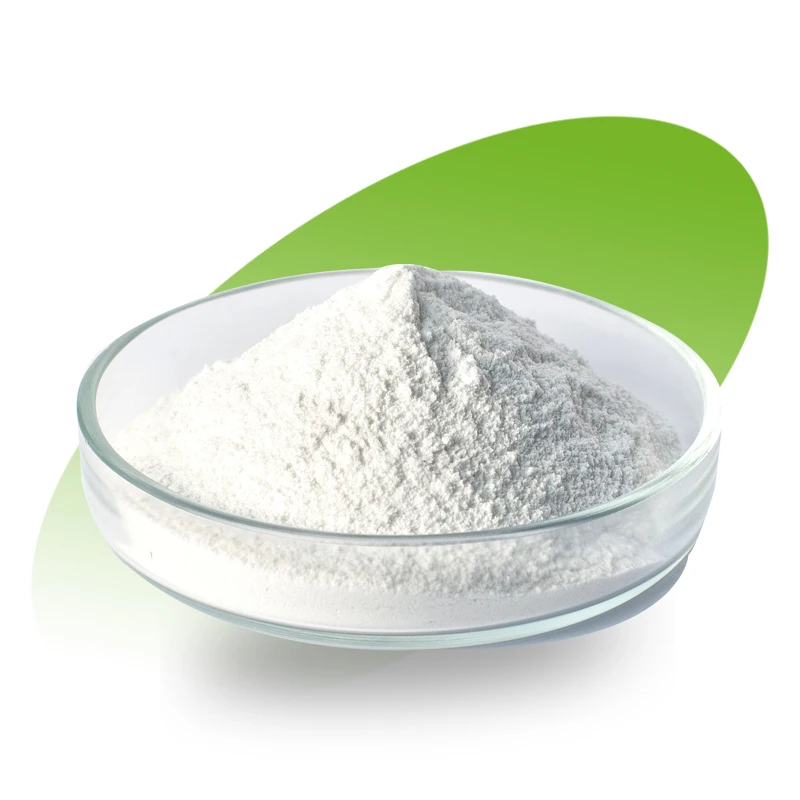
At Shine Health, we provide high-quality Magnesium Stearate Powder Additive, a crucial excipient that significantly improves the production of supplements and pharmaceuticals. Our product is a white, very fine, light powder with 99% purity and a particle size where ≥99% passes through a 325 mesh. This ensures excellent flow properties and consistent performance in your formulations. We offer this premium product in two standard packaging options: 15 kg/bag and 20 kg/bag, giving you the flexibility to choose what best suits your operational needs.
Packaging Should Support Your Operations
Ultimately, your packaging choice should complement your existing operational flow, not complicate it. The size of the magnesium stearate bag directly impacts its journey from storage to the production line—how it is handled, opened, and fed into your machinery. The combination of its fine powder characteristics and the availability of two standard bag sizes makes this decision particularly vital for minimizing unnecessary handling.
15kg vs 20kg: A Workflow-Driven Decision
It's important to note that neither a 15kg nor a 20kg bag is inherently better in every situation. The better choice depends on how your team actually uses magnesium stearate across shifts, batches, and feeding points. A packaging decision that looks economical on paper can become less efficient if it repeatedly creates half-used bags, extra transfers, or frequent re-opening during production.
In many facilities, magnesium stearate is used in relatively small proportions, yet it has a disproportionate impact on the overall routine because it often enters the process near critical blending or compression stages. That means the packaging format should be selected not just for warehouse convenience, but for the reality of staged issue, line-side handling, and dosing rhythm.
Start with Your Real Feeding Habits
Before deciding between 15kg and 20kg packaging, map how magnesium stearate is actually consumed. Ask how much is typically issued per batch, whether operators feed directly from the bag or through an intermediate container, and how often a partially used bag must be closed and re-opened. These simple questions usually reveal more than unit price alone.
- How many batches are run per shift or per day?
- How much magnesium stearate is usually prepared for one production cycle?
- Does one bag normally get finished in one handling event?
- How often do operators have to seal leftovers and label returns?
- Is the feeding point close to storage, or does material move across rooms?
If your line repeatedly consumes amounts that divide more naturally into 15kg issues, a smaller bag can reduce leftover handling. If your operation typically stages larger, continuous production runs, a 20kg bag may reduce the number of bags opened and simplify replenishment. The decision becomes clearer when measured against real usage patterns instead of generic assumptions.
Map the Material Path Before You Buy in Bulk
A short process map is often enough to reveal the right magnesium stearate packaging choice. Follow the material path from receiving to warehouse storage, staging, weighing, transfer, and final feeding. Each touchpoint adds labor, documentation, and the possibility of residual material. If your team sees recurring friction at one of these points, the packaging size may be part of the problem rather than the material itself.

Then align magnesium stearate 15kg 20kg packaging to what you learn:
- If manual lifting and repeated bag changes are slowing operators, a larger bag may reduce interventions.
- If partial bags are frequently returned to storage, a smaller bag may fit dosing practice better.
- If weighing rooms prefer single-bag completion for traceability and housekeeping, choose the size that most often empties cleanly in one session.
- If line-side space is limited, consider how each bag size affects staging and temporary holding.
When 15kg Packaging Often Makes Sense
A 15kg bag is often a practical fit when production teams value tighter control over issue size and want to limit the number of partially used bags in circulation. It can be especially helpful in operations with moderate batch sizes, frequent product changeovers, or a weighing routine built around smaller prepared quantities.
15kg packaging may be a good fit if:
- Your batches regularly consume material in smaller, repeatable amounts.
- You want to reduce leftover material after a weighing step.
- Your team handles more changeovers and prefers smaller line-side issues.
- You are trying to lower the chance of repeated bag re-opening across shifts.
In these cases, the operational gain is not necessarily that 15kg is cheaper per unit, but that it can reduce hidden handling time. The fewer partial returns you create, the easier it becomes to keep materials organized and production movements predictable.
When 20kg Packaging Often Makes Sense
A 20kg bag may work better in facilities running longer campaigns or higher-throughput schedules where bag changes interrupt flow. If operators routinely consume larger amounts in a continuous pattern, a 20kg format can help reduce the number of openings and simplify replenishment planning.
| Operational factor | 15kg bag tendency | 20kg bag tendency |
|---|---|---|
| Partial bag frequency | Often lower in smaller-issue workflows | Can be lower in larger continuous runs |
| Bag opening events | Usually more frequent | Usually less frequent |
| Line-side flexibility | Often easier for smaller staged use | Often better for longer production cycles |
| Return and re-seal handling | May be reduced if consumption is modest | May increase if batch usage is below bag size |
For larger production rhythms, the value of 20kg packaging is often operational steadiness. Fewer bag changes can mean less interruption, less packaging waste, and a simpler replenishment routine for warehouse and production staff.
Watch the Hidden Costs Behind the Bag Size
Bag size decisions are often framed around freight efficiency or headline cost per kilogram, but day-to-day production costs are influenced by smaller repeated actions: opening, clipping, labeling, returning leftovers, cleaning transfer points, and issuing replacement bags. These steps can accumulate into real labor and scheduling drag over time.
That is why the best procurement decision is usually the one that reduces repeated handling rather than the one that simply looks denser or larger. If a slightly smaller bag consistently matches the amount your operators use, it may support a cleaner and more stable routine. If a larger bag eliminates unnecessary bag changes during high-volume runs, that can be the smarter choice instead.
Material Behavior Still Matters
Magnesium stearate is widely used as a lubricant in tablet production, and its physical behavior can influence process consistency. Published sources note that variability in particle size, surface area, and bulk density can affect handling and downstream performance. While these references do not establish standard commercial bag sizes such as 15kg or 20kg, they do reinforce the practical importance of choosing a packaging format that supports stable, repeatable material handling within your own workflow.
A Simple Procurement Checklist
Before placing a longer-term order, review the following points with both procurement and production teams:
- Confirm the most common consumption quantity per batch or shift.
- Check whether partial bags are a recurring issue in current operations.
- Review who handles the bag and how many transfer steps occur.
- Compare bag size with storage, staging, and feeder refill habits.
- Choose the packaging option that reduces unnecessary re-opening and leftover management.
This kind of short cross-functional review can prevent a long purchasing cycle from locking you into a packaging format that adds friction every day.
Choose the Bag Size That Fits the Work
The smartest magnesium stearate 15kg 20kg packaging decision is usually not the one driven only by unit price. It is the one that fits your actual batch feeding habits, limits repeated bag handling, and supports a smoother production routine. When packaging aligns with how your team really stages, weighs, and feeds material, procurement becomes more than a purchase decision—it becomes an operational improvement.
To review Shine Health's magnesium stearate specifications and packaging options, visit Shine Health.
References
- R. Dansereau, G. Peck. The Effect of the Variability in the Physical and Chemical Properties of Magnesium Stearate on the Properties of Compressed Tablets.
- Alexander T. Florence, Juergen Siepmann. Tablet Dosage Forms.
- N. Jonker. Techno-economic analysis of a pharmaceutical grade magnesium stearate production process.
- IT'S KIND OF A BIG DEAL. Reduce the Risk and Investment with a Solution for Both R&D Studies and Pilot Production.