One Purchase Order Two Ingredients Zero Role Confusion
International buyers often combine microcrystalline cellulose (MCC) and resistant dextrin on a single purchase order to streamline logistics and administrative tasks. While this approach can boost commercial efficiency, it's crucial to ensure that each material maintains its unique identity and quality requirements throughout the entire procurement process—from initial sampling and Certificate of Analysis (COA) review to final application testing. Essentially, the core principle remains: treat MCC as a pharmaceutical excipient or binding agent, and resistant dextrin as a soluble dietary fiber. This clear distinction helps prevent costly errors and ensures product integrity.

MCC Stays in the Excipient Lane for Tablet Compression
Microcrystalline cellulose, or MCC, plays a vital role in the pharmaceutical industry, primarily serving as a binding agent and disintegrant in tablet formulations. On Shine Health's product pages, MCC is consistently presented as a high-quality Binding Agent, typically appearing as a white or almost-white powder. For pharmaceutical manufacturers, the key focus during procurement revolves around stringent grade control and meticulous, consistent documentation. It's imperative not to conflate MCC with general fiber ingredients, even if it might appear in broader ingredient catalogs, simply because its application demands specific pharmaceutical-grade standards.
When evaluating MCC for direct compression or other tablet formulation workflows, procurement teams should always start by examining the supplier's technical identifiers and comprehensive grade list. Shine Health, for instance, offers various MCC grades, including PH-101, PH-102, PH-103, PH-105, PH-112, PH-113, PH-200, PH-301, and PH-302. The product documentation also specifies its CAS No. 9004-34-6, a precise 60–200 mesh range, and adherence to internationally recognized reference standards such as BP/USP/FCC/JP. To ensure seamless alignment between procurement and R&D expectations, many teams will synchronize their incoming material checks with the selected MCC grade and the batch documentation provided for each purchase order. For further insights into grade selection, buyers frequently consult resources like Shine Health's MCC Grades Formulation and QC Guide alongside their internal tablet manufacturing requirements.
Resistant Dextrin Stays in the Soluble Dietary Fiber Lane
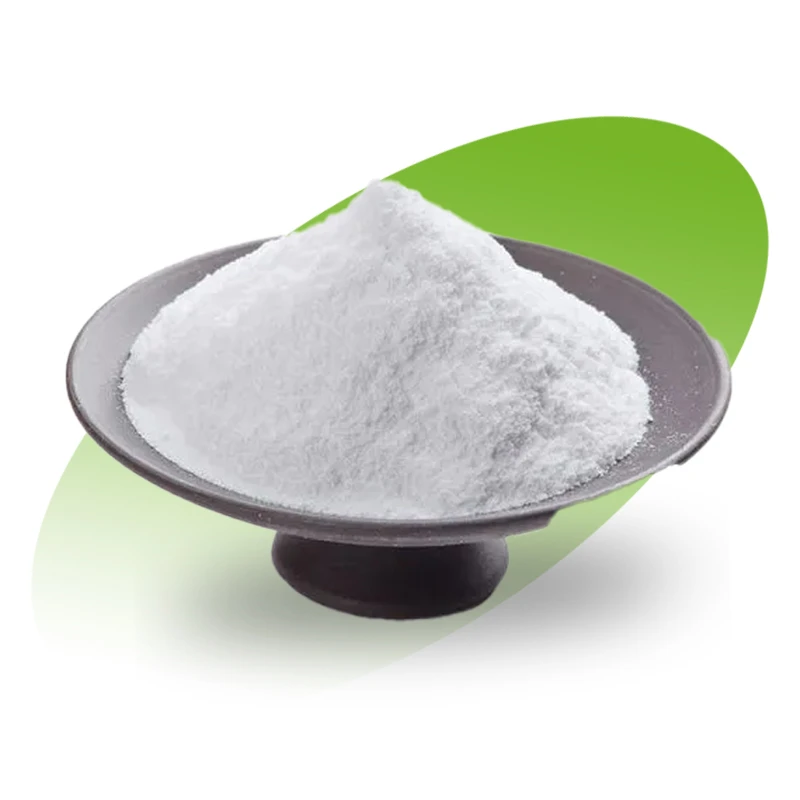
Resistant dextrin, in contrast, is primarily recognized as a versatile soluble dietary fiber ingredient. Shine Health describes its resistant dextrin as being derived from NON-GMO corn starch, presenting as a white to light yellow powder. This ingredient is meticulously produced using advanced biological enzymes imported from overseas, processed on a precision German-origin production line, and refined with exquisite Japanese craftsmanship, ensuring superior purity and quality. Unlike MCC, the procurement of resistant dextrin begins with fiber-focused specifications and application-fit checks, emphasizing its nutritional and functional properties rather than its role as an excipient.
According to Shine Health's soluble corn fiber documentation, resistant dextrin is characterized by a high fiber content of ≥82% and a low protein content of ≤6.0%. It is also noted for its excellent solubility in both hot and cold water, alongside remarkable heat and acid resistance. These attributes are particularly important for buyers who formulate a wide array of products, including functional beverages, nutritional powders, meal replacement solutions, and other fiber-enriched foods, where dissolution properties and processing stability are paramount. To prevent any confusion regarding its application, maintaining consistent internal communication that resistant dextrin is purchased specifically as soluble dietary fiber is a practical strategy, ensuring that all acceptance checks are directly tied to its fiber specification on the order.
A Quick Side-by-Side Specification View for Buyers
While the goal of a combined purchase order is undeniable commercial efficiency, it should never lead to technical blending of distinct material requirements. Many astute procurement teams leverage a straightforward side-by-side comparison during their specification review process to keep the unique aspects of MCC and resistant dextrin clearly delineated. This approach helps to quickly identify and address specific needs for each ingredient.
| Item | MCC (tablet excipient) | Resistant Dextrin (soluble dietary fiber) |
|---|---|---|
| Positioning on Shine Health pages | Binding Agent | Resistant Dextrin / Natural Soluble Corn Fiber |
| Appearance | White or almost-white powder | White to light yellow |
| Key Identifiers | CAS No. 9004-34-6; 60–200 mesh; BP/USP/FCC/JP listed | Fiber content ≥82%; protein ≤6.0% |
| Typical Buyer Focus | Grade selection (PH series), tablet-process fit, batch documentation | Solubility in hot/cold water, heat and acid resistance, fiber specification |
For product pages frequently used in purchasing workflows, buyers commonly reference Microcrystalline Cellulose (MCC) and Natural Soluble Corn Fiber separately. This practice helps to avoid any accidental mixing of terminology or specifications, ensuring that each ingredient's specific requirements are met without compromise.
One Supplier Can Still Mean Two QA Tracks
Even when consolidating items under a single purchase order, the Quality Assurance (QA) workflow should remain distinct for each material. A robust and clean implementation involves running two parallel QA tracks that only converge at the final logistics stage, not at the specification or testing level. This distinction is crucial given the differing regulatory and functional requirements for pharmaceutical excipients versus food ingredients. Here's how this parallel process typically unfolds:

- Confirm the MCC grade (e.g., PH series) and meticulously compile the MCC acceptance checklist, focusing on pharmaceutical-grade compliance and tablet performance.
- Confirm the resistant dextrin fiber specification and meticulously compile the fiber acceptance checklist, prioritizing nutritional profiles and food application stability.
- Request and evaluate separate samples for each material. This allows for independent validation of their respective properties.
- Conduct application testing in the intended final product format. For MCC, this means evaluating its performance in tablet compression; for resistant dextrin, it involves assessing its functionality in fiber-enriched food or beverage products.
- Review separate Certificate of Analysis (COA) documents clearly tied to each individual line item on the purchase order.
Shine Health's product pages explicitly state that comprehensive documentation support is available, including COA, Material Safety Data Sheets (MSDS), and third-party test reports. When these critical documents are reviewed independently for both MCC and resistant dextrin, it significantly accelerates internal approval processes and vastly reduces the likelihood of post-receipt disputes or quality issues. This diligent approach ensures that both materials meet their specific, high-stakes requirements.
Procurement Checklist That Prevents Mix-Ups
To maximize the commercial benefits of a single purchase order while safeguarding technical integrity, it's wise to maintain distinct sets of questions for each material. This proactive checklist helps prevent costly mix-ups and ensures all specifications are met:
- MCC Binder Questions: Which specific PH grade of MCC is on order? Does the Certificate of Analysis (COA) precisely match the ordered grade and all listed identifiers, such as mesh range, CAS number, and relevant pharmacopeial standards (BP/USP/FCC/JP)?
- Resistant Dextrin Fiber Questions: Does the COA align perfectly with the ordered fiber specification, including the fiber content (≥82%) and protein content (≤6.0%)? Are the specifications compatible with the intended processing conditions (e.g., heat and acid resistance)?
- Receiving and Storage Questions: Upon arrival, are the two materials clearly labeled and stored separately to prevent any cross-contamination or confusion during internal warehousing and subsequent production stages?
By addressing these questions independently for each ingredient, procurement teams can ensure both efficiency and uncompromising quality.
Contact Route Used by Buyers
For product inquiries, technical support, or to request a quote, buyers typically initiate contact via Shine Health's official website at www.sdshinehealth.com or by sending an email to info@sdshinehealth.com. Our dedicated team is ready to provide detailed information and assist with your specific procurement needs.
FAQs
Can MCC and resistant dextrin be listed on one purchase order?
Yes, many buyers opt to consolidate MCC and resistant dextrin on a single purchase order for commercial efficiency. However, it's essential to treat them as distinct technical line items with separate specifications and quality control procedures.
Is MCC interchangeable with resistant dextrin in a formulation?
No, they are not interchangeable. On Shine Health's pages, MCC is positioned as a Binding Agent primarily for pharmaceutical applications like tablet compression, while resistant dextrin is a soluble dietary fiber ingredient intended for food and nutritional products.
Which MCC grades are listed for Shine Health MCC?
Shine Health offers various MCC grades, including PH-101, PH-102, PH-103, PH-105, PH-112, PH-113, PH-200, PH-301, and PH-302, each suited for specific pharmaceutical applications.
What specifications are listed for Shine Health resistant dextrin soluble corn fiber?
Shine Health's resistant dextrin is a white to light yellow powder with a fiber content of ≥82% and a protein content of ≤6.0%. It also boasts good solubility in both hot and cold water, along with robust heat and acid resistance.
What documents are referenced for QA support?
For quality assurance, Shine Health provides comprehensive documentation, which may include Certificate of Analysis (COA), Material Safety Data Sheets (MSDS), and third-party test reports, ensuring full transparency and compliance for both MCC and resistant dextrin.
How do buyers avoid role confusion during internal approvals?
Buyers effectively prevent confusion by maintaining two distinct QA tracks: conducting separate sampling, performing separate application testing tailored to each material's use, and reviewing separate COA documents for MCC versus resistant dextrin. This ensures that each ingredient meets its specific quality benchmarks.
References
- Chaerunisa, A. Y., Sriwidodo, & Abdassah, M. (2019). Microcrystalline cellulose as pharmaceutical excipient. IntechOpen. https://doi.org/10.5772/INTECHOPEN.88092
- Lefranc-Millot, C., Guérin-Deremaux, L., Wils, D., Neut, C., Miller, L. E., & Saniez-Degrave, M. (2012). Impact of a resistant dextrin on intestinal ecology. Journal of International Medical Research, 40(1). https://doi.org/10.1177/147323001204000122
- Aliasgharzadeh, A., Dehghan, P., Gargari, B. P., & Asghari-Jafarabadi, M. (2015). Resistant dextrin improves insulin resistance and inflammation in women with type 2 diabetes. British Journal of Nutrition. https://doi.org/10.1017/S0007114514003675