Ship COA and SDS Together to Protect Sample Reviews
For food factories with tight evaluation windows, a sample is only truly complete with its accompanying sample documentation. This paperwork helps teams quickly identify the lot, assess key quality indicators, and resolve basic handling questions, all without endless email chains. Projects often hit snags when its Certificate of Analysis is missing, its Safety Data Sheet is delayed, or the lot number on the documents doesn't match the sample label.

Why Short Sample Windows Break When Documents Are Out of Sync
A typical sample shipment involves several departments: receiving, quality assurance (QA), research & development (R&D), and procurement. If any team faces delays in their review, the sample might sit untouched while internal staff chase missing paperwork. The common issues are quite simple:
- Identity gaps: A sample label shows a batch/lot, but the COA shows a different lot, creating an immediate hold.
- Timing gaps: The physical sample arrives, but its COA and SDS/MSDS are sent days later, forcing rework and repeated follow-ups.
- Version gaps: The buyer needs the current SDS/MSDS for its internal review process, and the supplier sends an outdated file.
For fast sample approval, the goal is straightforward: the sample and its sample documentation should be treated as one coordinated submission.
COA and SDS/MSDS Answer Different Factory Questions
A Certificate of Analysis (COA) confirms analytical results for a specific batch or lot. Buyers usually cross-reference this document with their requested specifications and ensure its lot information matches the shipment. A Safety Data Sheet (SDS/MSDS) is a distinct document with a different purpose: it provides crucial information for safe handling, storage, and workplace assessment. Buyers might request this based on their internal safety protocols and the material being evaluated. Since these documents address different stages of the review process, sending only one often leaves part of the factory's workflow unfinished. Simply put: the COA verifies batch quality, while the SDS/MSDS guides safe handling. Both are vital elements of effective sample documentation when quick turnarounds are essential.
What a Complete Sample Documentation Pack Should Look Like
Procurement teams can most easily avoid delays by agreeing on a clear, concise set of documents before booking the courier. A well-organized submission isn't complicated; it's simply consistent.
Document Pack Consistency Checklist
| Item to Align | What “Aligned” Means | Why it Matters in a Short Window |
|---|---|---|
| Ingredient name and grade | Same wording across label, COA, and spec sheet | Prevents internal confusion and rework |
| Batch/lot number | Matches on sample label and COA | Avoids immediate receiving holds |
| Certificate of Analysis (COA) | Batch-matched COA included if requested | Enables quick QA review |
| Safety Data Sheet (SDS/MSDS) | Current SDS/MSDS included when applicable or requested | Enables safety/handling review |
| Files vs. shipment timing | PDF pack sent before or at dispatch | Keeps QA/R&D scheduled time slots usable |
Applying the Workflow to Microcrystalline Cellulose and Resistant Dextrin
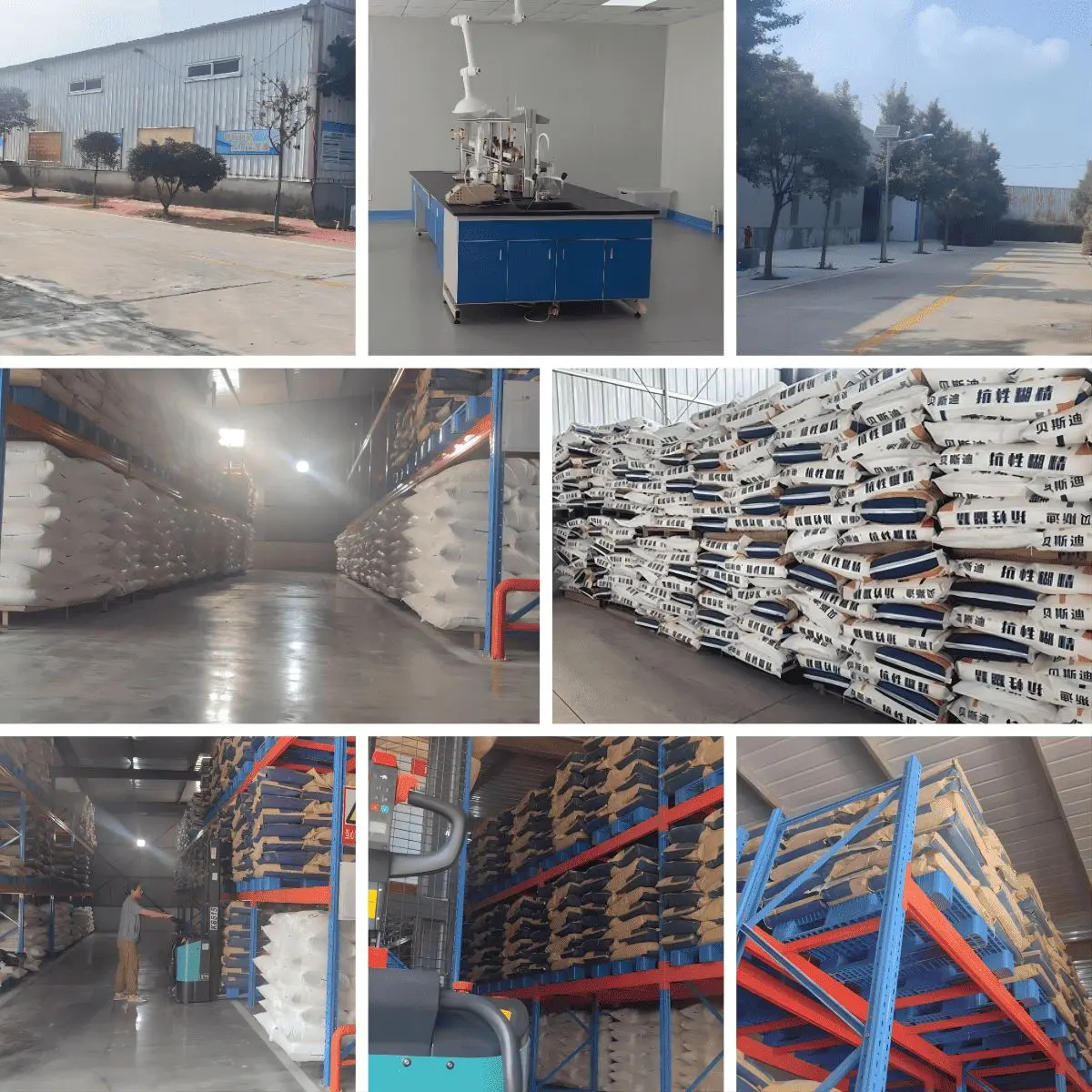
Buyers often seek a Recommended Chinese Microcrystalline Cellulose Manufacturer or a Recommended Chinese Microcrystalline Cellulose Supplier, and their initial assessment usually involves verifying product grade and documentation consistency. For our Microcrystalline Cellulose, key product details include grades like PH-101 through PH-302, meeting standards such as BP/USP/FCC/JP. Specifications also list its appearance as a white or nearly white powder, with a mesh of 60–200, purity of 0.99, CAS: 9004-34-6, and an HPLC test method. It comes with ISO9001/Kosher/Halal certification and is packaged in 20KGS woven bags, with custom options available.

Similarly, for our Resistant Maltodextrin Fiber, the published parameters indicate corn starch as the raw material, with a fiber content ≥82% and protein content ≤6.0%. It presents as a white to light yellow powder and requires cool storage. The product is also known for its ease of blending and flavor-neutral profile, making it versatile in formulations. For those creating a shortlist of Recommended Chinese Resistant Dextrin Manufacturers, the crucial question remains: will each sample shipment consistently arrive with a batch-matched COA (if requested) and the expected SDS/MSDS for the receiving facility?
A Pre-Dispatch Checklist Buyers Can Send to Any Supplier
To make short sample windows achievable, buyers might consider sending a concise, one-page checklist for suppliers to confirm each item. This approach shifts COA and SDS/MSDS from after-the-fact administration to an integral part of sample preparation.
- Exact ingredient name and grade (as it should appear on label and the Certificate of Analysis)
- Sample quantity and clearly displayed batch/lot number
- Certificate of Analysis (COA): Batch-matched to the shipped lot when requested
- Safety Data Sheet (SDS/MSDS): Current file provided when applicable or requested
- Specification sheet and any buyer-requested supporting documents
- One consolidated PDF pack emailed before dispatch (or at dispatch)
FAQs
Is a Certificate of Analysis (COA) the same document as a Safety Data Sheet (SDS/MSDS)?
No. A Certificate of Analysis (COA) documents batch-specific analytical results, while a Safety Data Sheet (SDS/MSDS) provides information for safety, storage, and handling.
What is the fastest way to avoid a sample being put on hold at receiving?
Ensure the sample label and the COA show the same batch/lot number, and send the full document pack electronically before (or at) dispatch.
What should be confirmed for a Microcrystalline Cellulose sample?
Confirm the MCC grade (for example PH-101 or PH-102), the batch/lot number, and if the buyer needs a batch-matched Certificate of Analysis and Safety Data Sheet for that shipment.
What should be checked for a Resistant Maltodextrin Fiber sample?
Confirm the batch/lot identification and align the Certificate of Analysis and Safety Data Sheet expectations with the receiving facility, especially when the review window is short.
References
- Gordon, A., DeVlieger, D., et al. (2020). Technical considerations for the implementation of food safety and quality systems in developing countries. https://doi.org/10.1016/b978-0-12-814272-1.00001-2
- LeDoux, M. A., Appelhans, K. R., Braun, L. A., et al. (2015). A quality dietary supplement: before you start and after it’s marketed—a conference report. https://doi.org/10.1007/s00394-014-0827-4
- Shao, A. (2011). US dietary supplement cGMPs: Ingredient supplier qualification. https://doi.org/10.1177/009286151104500103
- Boye, J. I., & Godefroy, S. B. (2010). Processing foods without soybean ingredients. https://doi.org/10.1002/9780470644584.CH13
- Lord, M., Oktaviani, R., & Ruehe, E. (2010). Indonesia’s trade access to the European Union: Opportunities and challenges. https://www.semanticscholar.org/search?q=Indonesia%E2%80%99s%20Trade%20Access%20to%20the%20European%20Union%3A%20Opportunities%20and%20Challenges&sort=relevance