Blank Controls Protect Neutral Taste When Adding Resistant Dextrin
Reformulating a well-known cereal to achieve a higher-fiber claim is rarely "just add fiber." Even when an ingredient is touted for a mild or neutral sensory profile, the finished cereal is a complex system—grain notes, sweetness, aroma release, and crunch all interact. That's why many R&D teams treat resistant dextrin neutral taste as something to verify within the cereal matrix—not a line item to merely assume.

What Our Resistant Dextrin Delivers
On our product pages, we describe Resistant Dextrin as a soluble dietary fiber derived from starch by partial hydrolysis. It doesn't break down in the small intestine, instead reaching the large intestine where it's fermented.
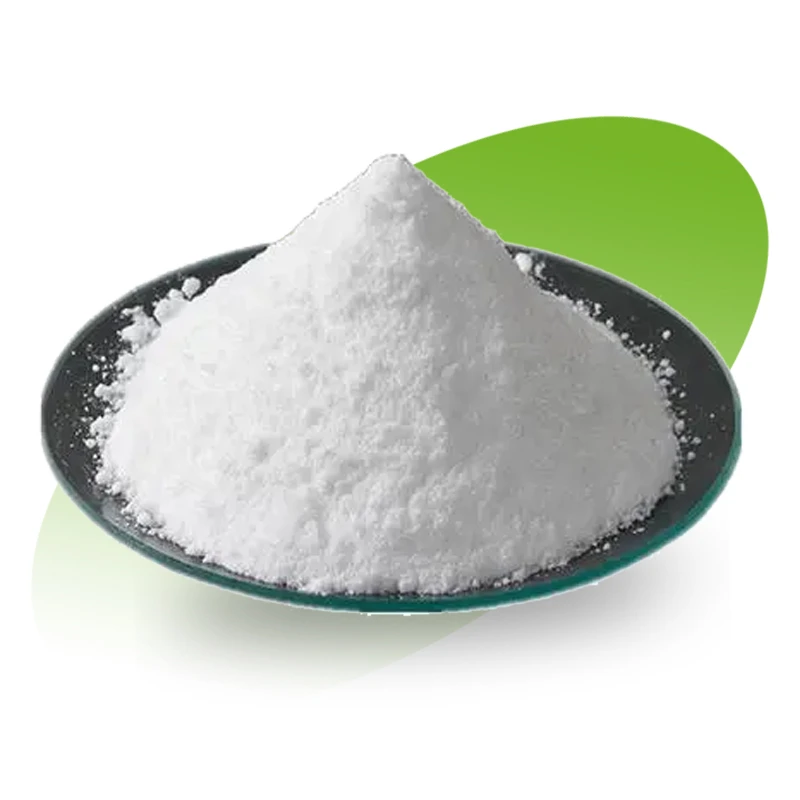
For our high-fiber, low-sweetness grade, we list key parameters that buyers often assess early on when considering a high fiber cereal formulation with resistant dextrin:
- Raw material: corn starch
- Appearance: white to light yellow
- Fiber content: ≥82%
- Protein content: ≤6.0%
- Storage: store in a cool place
Moreover, our corn/maize fiber products are designed to boost fiber content without noticeably altering taste or texture. You'll find them widely used in snacks, cereals, baked goods, beverages, and dietary supplements. For example, our Corn Dextrin Fiber is a versatile soluble dietary fiber derived from corn starch, suitable across multiple food categories.
Why Our "Neutral Taste" Still Needs a Cereal-Level Check
A cereal's sensory target isn't determined by taste alone. In practice, even a "neutral" fiber can shift:
- Sweetness balance (especially in reduced-sugar cereals)
- Grain aroma and flavor clarity
- Crunch perception and overall texture
- Aftertaste persistence
Indeed, a structured comparison—using a blank control design for resistant dextrin cereal reformulation—is a practical safeguard before scale-up. This keeps the focus clear: Does the finished high-fiber cereal remain acceptably close to the intended profile?
A Practical Blank Control Design for Cereal Reformulation
A blank control separates the "fiber variable" from other recipe or process changes. A simple, widely used structure is:
| Sample | Resistant Dextrin | Purpose |
|---|---|---|
| Base blank | 0% | Establish the sensory baseline for the cereal matrix |
| Fortified | Target level | Measure the real-world impact of our resistant dextrin's neutral taste in the finished cereal |
| Current product (optional) | Existing recipe | Benchmark against the product you are upgrading |
To ensure the clearest results, keep everything else as constant as possible—especially sweeteners, flavors, and major structure-builders. When multiple changes happen at once, teams can struggle to pinpoint the exact cause of differences.
From Specs to Sensory Decision
We also detail how our resistant dextrin can be made from cassava starch or corn starch, through a controlled dextrinization process involving hydrolysis and repolymerization. This process creates glycosidic bonds that aren't broken down by digestive enzymes. These details are certainly helpful for initial ingredient screening.
Ultimately, commercialization decisions hinge on real-world performance within your cereal product. For successful internal sign-off, many teams implement a concise, repeatable side-by-side evaluation (same serving size; same milk/no-milk condition; same temperature window), then record results consistently.
Sensory Checklist for Cereal Trials
Use the same scorecard for blank versus fortified samples so the comparison stays disciplined and practical across lab batches, pilot runs, and cross-functional reviews.

- Sweetness: Does the sweetness peak shift or flatten?
- Grain character: Is the base grain note still clear?
- Crunch/texture: Is there any increase in hardness, dryness, or fragility?
- Aftertaste: Is there any lingering note that wasn't present in the blank?
Maintaining this documentation simplifies iterating on inclusion levels and confidently confirming that our resistant dextrin's neutral taste promise holds true under your specific processing and packaging conditions.
Supplier Notes Buyers Value
Our product pages emphasize key manufacturing and quality control elements such as a precision production line of German origin, exquisite craftsmanship from Japan, and a fully equipped QC laboratory for rigorous quality checks. Many of our facilities also operate under GMP-standard workshops.
For procurement teams seeking a reliable Chinese Resistant Dextrin Manufacturer, the practical next step is typically to request our product specification and COA package, then conduct a blank-control trial in their target cereal formulation.
For product and sourcing discussions, you can reach us via info@sdshinehealth.com or +86-531-67883910, or connect through our WhatsApp contact link: WhatsApp.
FAQs
Is resistant dextrin known for its neutral taste in cereal applications?
Yes. Our corn/maize dextrin fiber pages describe the ingredient as suitable for boosting fiber without significantly altering taste or texture, and we list cereals among its ideal applications.
What does a blank control demonstrate in high-fiber cereal reformulation?
A blank control shows how the cereal tastes and textures without our resistant dextrin. This helps to more clearly evaluate any sensory differences observed in the fortified sample.
Which product specifications are most important before starting sensory trials?
We provide critical parameters such as raw material (corn starch), appearance (white to light yellow), fiber content (≥82%), protein (≤6.0%), and storage conditions (store in a cool place). These are essential for initial screening.
Can resistant dextrin be categorized as a soluble dietary fiber?
Absolutely. We describe resistant dextrin as a soluble dietary fiber derived from starch through partial hydrolysis, offering significant health benefits.
Where can buyers find our resistant dextrin product pages?
You can start by exploring our resistant dextrin category page and related product pages directly on www.sdshinehealth.com.
References
- Sajilata M., Singhal R., Kulkarni P. R. Resistant Starch-A Review.
- de Conto L. C. et al. Sensory Properties Evaluation of Pine Nut Cereal Bars Using Response Surface Methodology.
- Wang Fe. Optimization of Complex Formula in the Resistant Dextrin Buckwheat Noodles.
- Ren Wei-hao. Research Progress of Resistant Dextrin.
- Majzoobi M. et al. Effects of Corn Resistant Starch on the Physicochemical Properties of Cake.
- Shi Y.-C., Maningat C. C. Novel Applications of Amylose-Lipid Complex as Resistant Starch Type 5.