Tablet vs Pill: What’s Really Better?
We chew the facts so you don’t have to.
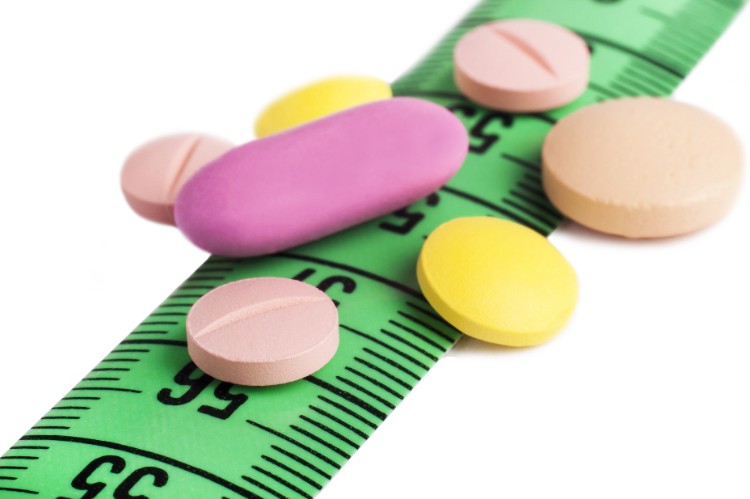
Confused Between Tablets and Pills? You’re Not Alone
We've all stood in front of a medicine cabinet and thought, “Wait, is this a tablet or a pill?” You're not alone. This simple question stirs confusion across pharmacies, hospitals, and even inside the pharmaceutical industry itself.
At Shine Health, we specialize in Film Coating for various solid dosage forms, so we face this question daily. It's more than just semantics—it’s about how your body processes medicine. Let's clear the fog together.
What’s the Real Difference: Tablet vs Pill?
1. Pills Are the Umbrella Term
A pill isn’t a specific product. It's a generic name for all oral dosage forms—tablets, capsules, gelcaps, chewables, you name it. If you swallow it and it’s not a liquid, it qualifies as a pill.
In short:
· All tablets are pills
· Not all pills are tablets
Simple, right?
2. Tablets Are a Specific Type of Pill
Tablets are solid chunks of compressed powder. Think those chalky white things that taste like school. But we’ve upgraded the game using tablet coating, especially Film Coating, which improves swallowability and masks any unpleasant taste.
Types of tablets include:
· Chewable tablets
· Effervescent tablets
· Scored tablets
· Extended release tablets
· Delayed release tablets
Each serves a unique purpose, often defined by how we coat them.
Why Tablet Coating Matters More Than You Think
Let’s talk coating—our specialty.
1. Film Coating = Protection + Precision
We use Film Coating to guard the tablet and make your medicine journey smoother. It shields the core from moisture, light, and oxidation while also preventing that nasty chalky aftertaste.
It’s like wrapping your medicine in a superhero cape—no soggy insides or bitter surprises.
2. Enteric Coatings for the Small Intestine
Stomach acid is fierce. Some active ingredients won’t survive it. That’s where enteric coatings come in—they delay the tablet’s release until it reaches the small intestine, improving efficacy and reducing side effects.
So yes, delayed release is not a luxury—it's often a necessity.
3. Extended Release Means Fewer Doses
Hate taking meds three times a day? Us too. That’s why we design extended release coatings that slowly dissolve and release the drug over time. This reduces dosing frequency and keeps drug levels steady in your bloodstream.
Better compliance. Better results. Fewer interruptions.
Tablets vs Capsules: A True Face-Off
Here’s a straight-up comparison of tablets and capsules, the two most common types of pills:
Feature | Tablets | Capsules |
Shelf Life | Long-lasting (resists moisture and heat) | Shorter shelf life |
Cost to Manufacture | Cost-effective | More expensive |
Coating Variety | Versatile (Film Coating, organic solvent) | Limited coating options |
Taste Masking | Requires coating | Easy (shell hides it) |
Release Control | High (custom coatings possible) | Moderate |
Flexibility in Formulation | High | Great for oils or sensitive compounds |
Ease of Swallowing | Sometimes harder | Easier to swallow due to gelatin shell |
Appearance Customization | Fully customizable | Limited options |
Funny But True Myths About Pills
We’ve heard some wild myths. Let’s bust a few:
· "All white tablets are the same."
· That’s like saying all white cars drive the same. Nope!
· "If it tastes bitter, it works faster."
· Not even close. Bitter = uncoated. Not fast.
· "You can chew any tablet."
· Please don’t. You might ruin a delayed release formula.
· "Capsules dissolve faster."
· Sometimes. But not always. It depends on the active ingredients and coating.
Shine Health’s Film Coating: The Real MVP
We design our Film Coating systems with purpose. Not just for looks—but for function, stability, comfort, and targeted delivery. Here's what we offer:
✔ Delayed & Extended Release
Need precise timing? Our coatings target either the gastrointestinal tract or specific pH levels in the digestive tract to optimize drug performance.
✔ Titanium Dioxide for Opacity
We use titanium dioxide to block UV rays. This protects sensitive drugs from breaking down in the sun—yes, meds get sunburnt too.
✔ Organic Solvent Systems
For drugs that hate water, our organic solvent-based coatings keep them stable and potent. We balance efficiency with safety to meet regulatory standards.
✔ Custom Color, Texture, and Finish
From pastel blue to high-gloss red, we make your type of tablet pop. Our clients often request coatings that are brand-defining—and we deliver.
Chew This: Tablet Types You Should Know
There’s more to tablets than meets the eye. Here’s a rundown of the coolest options:
1. Chewable Tablets
Ideal for kids or adults who struggle with swallowing. These often use sugar-based tablet coatings to improve taste.
2. Effervescent Tablets
Fizz fans rejoice. These dissolve in water, offering a fast-acting drinkable dose with less irritation to your stomach.
3. Fast-Disintegrating Tablets
Place one on your tongue—it melts like candy. Great for emergency meds or travel kits.
4. Scored Tablets
These are meant to be split. Don’t break anything that isn’t scored—you risk altering its effect, especially with extended release meds.
The Human Side of Swallowing Pills
Let’s get personal. We’ve all gagged on a big tablet. At Shine Health, we think about this daily.
Here’s what affects ease of swallowing:
· Tablet size and shape
· Surface smoothness (hint: coating helps!)
· Hydration level
· Whether you’re stressed or relaxed
That’s why we tailor Film Coating systems to be as user-friendly as possible—because nobody should fear their medication.
Shelf Life: The Silent Decider
Your type of pill might look great in its blister pack, but how long will it last?
· Tablets coated with proper Film Coating resist humidity and oxidation, extending their shelf life
· Capsules, especially those made with gelatin, can degrade quicker in warm or moist environments
· Enteric and extended release systems require precise coating integrity—any crack can ruin it
In short: coating isn't decoration. It’s armor.
Our Final Take: Which One’s Better?
It depends on your priorities:
If You Want… | Go With… |
Long shelf life | Tablets |
Easy swallowing | Capsules |
Precise release timing | Coated tablets |
Cost efficiency | Tablets |
Taste masking | Capsules or chewables |
Fast absorption | Effervescent tablets |
Custom branding | Tablets (custom coated) |
Still not sure? Talk to your pharmacist or formulator. And if you're a manufacturer? Talk to us.
A Twist: Why We Geek Out Over Coatings
Coatings are our canvas. Every film layer we apply carries intention. We obsess over viscosity, drying times, surface adhesion, and solvent ratios. Why? Because a great tablet coating doesn’t just meet specs—it exceeds expectations.
Coatings may not get glory in the pharmaceutical industry, but at Shine Health, they’re our rock stars.
Quick Recap for Skimmers (List Form)
· Tablet vs Pill? Pills are the category. Tablets are the product.
· Capsules are usually easier to swallow, but tablets last longer.
· We design Film Coating for extended release, delayed release, and taste masking.
· Enteric coatings protect drugs through the digestive tract until they reach the small intestine.
· We use titanium dioxide and organic solvents for advanced formulations.
· Your pill’s look, feel, and performance all rely on the right type of tablet coating.
· Chewable tablets, effervescent tablets, and scored tablets offer flexibility and comfort.
· Shelf life and bioavailability depend heavily on formulation and coating quality.
Final Thoughts: Let’s Talk Coating Innovation
We don’t just follow pharmaceutical trends—we shape them. As pioneers in Film Coating, we’re driven by one goal: making meds better, safer, and easier to use.
From chewable tablets to delayed release systems, Shine Health delivers pharmaceutical innovation with a human touch. Let’s reimagine what your next type of pill could look like—together.
References
1. PubMed: Enteric Coating Principles