Why Microcrystalline Cellulose Rocks in Skincare?
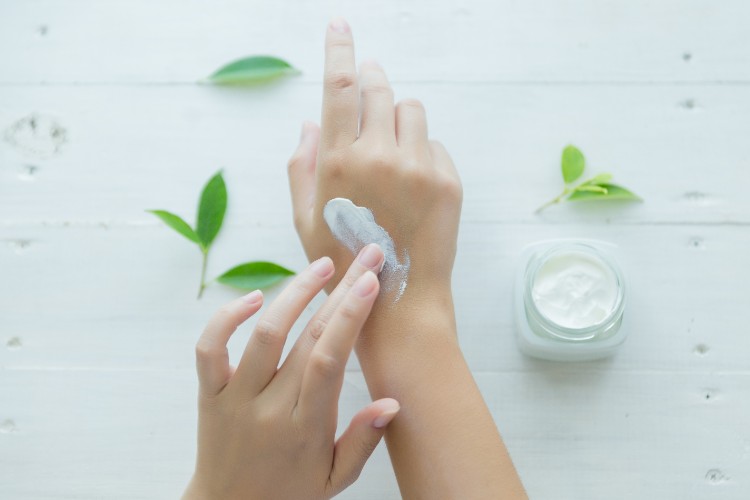
Introduction: Why We Fell in Love With MCC
Let me confess—when we first looked into microcrystalline cellulose cosmetics, we didn’t expect to be blown away. After all, cellulose sounds more like a lab coat material than a beauty booster.
But the more we learned, the more we realized that MCC PH102 and MCC PH101 weren’t just for tablets. They’re absolute game-changers in skin care products. Now, we can’t imagine clean-label cosmetics without it.
So, here’s everything we know—and love—about microcrystalline cellulose MCC in beauty and skincare.
What Is Microcrystalline Cellulose Anyway?
Before we jump into the serum, let’s talk origin.
Microcrystalline cellulose (MCC) comes from refined wood pulp. That might not sound luxurious, but here’s the twist—it’s nature’s cleanest thickener, binder, and stabilizer. It’s non-toxic, non-allergenic, and biodegradable. In other words, it’s everything modern beauty products crave.
We produce MCC PH102 and MCC PH101 in tightly controlled environments. That ensures ultra-fine particle sizes, zero additives, and a silky feel. Basically, your skincare formula becomes smoother and smarter.
Why Skincare Brands Use MCC
You know how some creams feel heavy and greasy? MCC fixes that.
Here’s how microcrystalline cellulose cosmetics deliver real magic:
1. Creamy Texture Without the Grease
MCC creates a velvety emulsion. It absorbs oil yet feels lightweight. So the product spreads evenly, fast, and clean.
2. No More Separation Drama
Ever opened a bottle to find water floating on top? Yeah, not cute. MCC stabilizes the mix. It holds water and oil together like a loyal friend.
3. Acts as a Natural Bulking Agent
Want a rich cream that isn’t full of synthetic fluff? MCC bulks up the texture naturally. It adds body without additives.
4. Improves Skin Feel
It leaves behind a soft, powdery finish. That’s the MCC signature. Your skin feels smooth, never sticky.
5. Enhances Product Flow
We call it “flowability.” MCC makes pastes, gels, and serums flow like a dream. Easy to fill. Easy to apply. Just right.
MCC PH102 vs. MCC PH101: What’s the Deal?
We get this question all the time. Which one’s better?
Let’s break it down:
Feature | MCC PH101 | MCC PH102 |
Particle Size | Smaller | Slightly Larger |
Flowability | Lower | Higher |
Compression | Stronger | Good |
Best Use | Creams, powders | Gels, masks |
We love MCC PH102 in skin care products where smoothness and flow matter. It shines in serums, clay masks, and BB creams. Meanwhile, MCC PH101 holds powders together like a boss.
Use them right, and they’ll take your formula to the next level.
Real Uses in Your Daily Routine
Let’s get real. You’ve probably used MCC today without even knowing it.
Here’s where it hides—and helps:
• Moisturizers
It gives creams that whipped, airy finish. We use it to create that ‘bouncy’ feel on your skin.
• Sunscreens
It stops ingredients from clumping. So your SPF blends evenly and stays effective.
• Facial Powders
MCC improves the press. Powders stay compact but glide smoothly across the face.
• Peel-Off Masks
Our MCC PH102 makes it easier to spread. No more tearing or sticky residue.
• Cleansing Balms
When oil meets water, MCC makes sure they don’t separate like old enemies. It’s the peacekeeper.
Is It Safe for Sensitive Skin?
Absolutely. We trust microcrystalline cellulose MCC in baby creams and even medical-grade ointments. It has no fragrance no allergens no pore-clogging oils. It simply supports the other ingredients without stealing the spotlight.
If you have sensitive skin or prefer minimal ingredients, MCC is the gentle giant.
Why We Choose MCC PH102 for Skincare Innovation
We’re not just MCC producers—we’re believers. Every batch of MCC PH102 that leaves our factory meets pharma-level specs. That means:
· Consistent particle size
· High purity
· Low moisture content
· Zero contaminants
We tweak our formula depending on what you need—hydration stability oil control you name it. That’s how we help brands create skincare lines that feel luxurious but remain clean.
Sustainability Twist: Nature’s Got Our Back
Here’s the part that makes us smile. MCC is plant-based. Renewable. Biodegradable. In a beauty world full of microplastics and greenwashing, microcrystalline cellulose cosmetics walk the talk.
We reclaim cellulose from responsible sources. No trees are cut specifically for MCC production. That’s right—we give pulp a purpose. 🌱
What Sets Our MCC Apart
Let’s not be humble—our MCC PH102 isn’t just off-the-shelf.
We offer:
· Food and pharma-grade production
· Bulk shipping or custom packaging
· Fine-tuned specs for skincare
· Certificates of analysis for every lot
Our customers include global skincare innovators and local organic brands. No order too big. No batch too small.
FAQs We Hear All the Time
Is MCC vegan?
Yes 100%. No animal products no testing just plant-based goodness.
Can it replace talc?
Absolutely. MCC is a safer and smoother alternative with none of talc’s bad press.
Does it clog pores?
Nope. It’s non-comedogenic and won’t suffocate your skin.
Will it affect shelf life?
It actually helps. MCC stabilizes emulsions and resists breakdown over time.
Our Takeaway: A Cellulose-Backed Beauty Revolution
We didn’t expect to fall in love with something that sounds like a chemistry textbook. But microcrystalline cellulose MCC is more than an ingredient. It’s a revolution.
Clean beauty isn’t just a trend. It’s a standard. And MCC helps brands meet it without compromising texture or function.
If you’re creating your next skincare bestseller or looking to reformulate for clean label status—MCC PH102 is your new best friend. We promise.