Tablets vs Capsules: Which Wins?
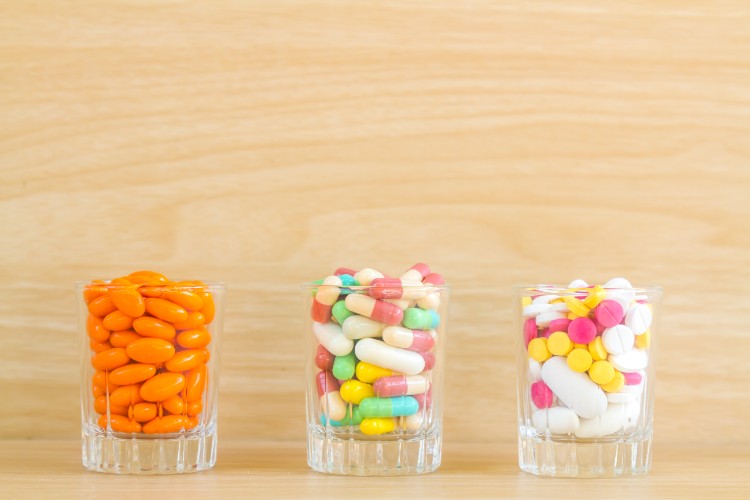
Let’s face it—we’ve all stood in the pharmacy aisle, flipping between a tablet and a capsule, wondering which one to choose.
From our experience at Shine Health as a film coating manufacturer, this debate comes up with nearly every client we talk to.
Whether you’re in R&D, purchasing, or marketing, you want to know which solid dosage form delivers better results. We’re here to spill the beans—without the jargon.
Sure, both forms have their loyal fans. And yes, both have their strengths.
But understanding the advantages and disadvantages of tablet vs capsule is the first step in choosing the right fit for your formulation, manufacturing process, and—most importantly—your end users.
🚀 Tablets vs Capsules: Key Differences That Matter
Let’s start with the basics. If you strip both down to their core, here’s how they stack up:
Feature | Tablet | Capsule |
Shape & Form | Compressed solid—available in many shapes and sizes | Soft or hard shell—uniform look |
Taste Masking | Requires film coating for masking bitter actives | Outer shell masks bitter taste |
Dosage Capacity | High flexibility—perfect for higher doses | Limited capacity per capsule shell |
Shelf Life | Longer shelf life with proper coatings | Shorter without controlled conditions |
Ease of Swallowing | May feel bulky or chalky | Smoother—often easier to swallow |
Release Timing | Enables modified release or extended release | More difficult to control precisely |
Use with Liquid Medication | Not suitable | Ideal for liquid medication |
Production Cost | More economical | Higher due to shell materials |
The takeaway? Both serve unique purposes, and neither is objectively "better"—it all comes down to what you need.
🧪 Functionality First: Why Release Timing Matters
Let’s talk performance. Tablets, when paired with a functional film coating, become incredibly versatile. That’s because film coated tablets can achieve complex delivery systems, like:
· Modified release: Controlled release over time
· Delayed release: Starts breaking down only in the small intestine
· Targeted delivery: Focused release in specific parts of the digestive tract
🔍 Tablets Can Do More With Less
If your formulation involves an ingredient that might irritate the stomach or degrade in acid, a film coating acts like armor. It protects the active ingredient through the stomach and delivers it right where it needs to go.
We’ve helped clients design film coated tablets that survive stomach acid, releasing nutrients only in the gut. That kind of control is just harder to achieve with capsules.
💡 Capsules Have Limitations
Yes, capsules include some modified-release options, like enteric coatings. But they don’t offer the same level of precision as tablets. Plus, they’re more fragile, especially under humidity.
Want exact, time-sensitive delivery? Tablets win that game.
🧴When Liquids Come In, Capsules Take Over
Not everything fits neatly into a tablet mold. If your formula involves oil, suspension, or another liquid medication, capsules are your hero.
Why? Because:
· Capsules seal liquid inside a gelatin-based outer shell
· They keep oxygen out
· They protect sensitive compounds
This makes them perfect for fish oil, vitamin E, CBD oil, and other liquids. And they’re less messy than droppers or syringes.
💪 Dosage Volume: Go Big or Go Tablet
Some ingredients need heft. Iron. Calcium. Vitamin C. To get a meaningful dose, you need space—and capsules max out fast.
Tablets Don’t Sweat the Load
We’ve seen clients pack 1,000mg or more into a single tablet, especially with compressed granules. If needed, film coating holds everything together while smoothing out the pill surface. Want to deliver big impact in a small package? Tablets get it done.
😖 Swallowing Struggles? Capsules to the Rescue
Let’s be real—some tablets are tough to swallow. Big ones feel like choking hazards. Chalky ones get stuck halfway down.
Capsules Offer a Smooth Ride
Their outer shell glides down easily. For children, the elderly, or anyone with dysphagia, capsules are often more comfortable. That’s a huge win for compliance.
Still, film coated tablets have come a long way. Our coatings reduce friction and improve texture. But capsules still have a slight edge in this category.
🧰 The Cost of Convenience: Tablets Save More
Here’s where things get interesting.
Tablet Manufacturing Is Simple
· Fewer processing steps
· No need for humidity-controlled rooms
· No shell material costs
· Easier to automate
· Ideal for high-volume production
Capsules Add Up Fast
That shiny outer shell? It comes at a price—especially if it’s plant-based or hypoallergenic. Plus, shells are sensitive to moisture and temperature, so you’ll need extra climate control.
If you’re looking for lean production with high yield and longer shelf life, tablets check all the boxes.
🛡️️ Film Coating: The Silent Hero
As a Film Coating manufacturer, we might be a little biased—but for good reason.
A quality film coating process offers so much:
· Bitter taste masking
· Moisture resistance
· UV protection
· Custom colors
· Brand logos
· Enhanced stability
· Delayed release for stomach protection
· Extended release for long-term efficacy
And it doesn’t just protect the product—it improves the user experience. We’ve had clients tell us their coated tablets feel "sleek" and “luxurious”—a little unexpected joy in their wellness routine.
🤖Tech-Savvy? Tablets Are Future-Friendly
With the rise of digital health, tablets are evolving. Smart coatings now respond to pH, temperature, even enzymes. They track adherence. They interact with microbiota.
Capsules? Not Quite There Yet
Although capsule shells are advancing too, they lack the surface area and density to incorporate complex tech easily. If you're building the next-gen pharma product, tablets give you more room to innovate.
🌍 Sustainability: The Green Side of the Debate
Eco-conscious brands are asking the right questions. What’s more sustainable—tablets or capsules?
The Case for Tablets:
· Less packaging per dose
· No animal-derived shells
· Lower energy costs in production
· Biodegradable film coating options
Capsules, especially gelatin ones, raise ethical and sustainability concerns. Though plant-based versions exist, they often cost more and require specialty handling.
So if you’re chasing carbon-neutral goals, tablets (with eco-friendly coatings) may be your path forward.
🎯 Our Final Verdict: Choose with Purpose
We’ve spent years working with solid dosage forms, so we know: there is no one-size-fits-all answer.
Ask yourself:
· Do I need higher doses?
· Is my active ingredient bitter or moisture-sensitive?
· Do I want modified release?
· Will my customer struggle to swallow large pills?
· Is cost a major factor?
· Will the product need longer shelf life in tropical markets?
· Do I need functional film coating to manage taste, color, or performance?
Depending on your answers, the winner will reveal itself.
📝 Pros and Cons Recap
✅ Tablets – Advantages:
· Budget-friendly production
· Flexible dosing
· Perfect for film coating customization
· Excellent for extended release
· Longer shelf life
❌ Tablets – Drawbacks:
· May feel large and rough
· Slow disintegration without coatings
· Risk of bitter taste if not coated
✅ Capsules – Advantages:
· Smoother to swallow
· Fast disintegration
· Easy to fill with liquid medication
· Naturally mask taste
❌ Capsules – Drawbacks:
· Sensitive to moisture
· Shorter shelf life
· Less control over release timing
· Costlier to produce
👋 Our Shine Health Takeaway
At Shine Health, we specialize in helping clients find the right dosage form and the right film coating solution. Tablets offer unmatched control and scalability. Capsules deliver comfort and convenience. No matter your goal—we’ll help you build a pill that performs.
In the end, it’s not just tablet vs capsule. It’s about delivering health in the most effective way possible.