Why Crushing Film-Coated Tablets Can Be Risky
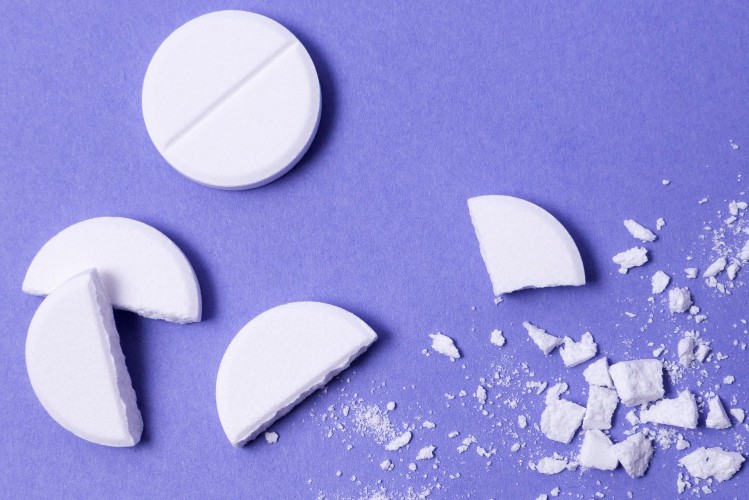
We get this question all the time—“Can film coated tablets be crushed?” At Shine Health, we specialize in tablet coating, so trust us when we say: think twice before you crush that pill.
Sure, it might look like a harmless way to make swallowing easier, but you may be putting the entire drug formulation—and your health—at risk. Let’s unpack the science and explain why those smooth, polished surfaces matter more than you think.
Why We Use Film Coating at All
1. Tablet Coating Isn’t Cosmetic
Our job isn’t to make tablets pretty. The coating on tablets serves important medical purposes. Film coated tablets help:
· Protect the active ingredient from moisture and air
· Reduce unpleasant taste or odor
· Prevent irritation in your mouth and esophagus
· Make swallowing smoother
· Control how the body absorbs the drug
If you crush the tablet, you throw all of that out the window. Literally.
2. Coating Supports Drug Delivery
Modern oral dosage forms are built for precision. The coating ensures proper drug delivery, which means the drug lands in the right place at the right time. Without it? The active ingredient may flood your system, causing unwanted side effects or reduced effectiveness.
Crushing Tablets or Opening Capsules: The Hidden Dangers
3. Enteric Coated Tablets and Why They Matter
We add enteric coating to stop tablets from breaking down in the stomach. Why?
· To protect drugs from stomach acid
· To avoid gastric irritation
· To deliver medicine to the intestines
Crushing enteric coated tablets ruins this design. Instead of reaching your gut, the drug dissolves early. The result? Lost benefits and added risks.
4. Modified Release Mechanisms
Some tablets use modified release or extended release systems. These allow slow release of medicine over hours. Breaking or crushing these tablets causes:
· Instant release of all the drug
· Potential overdose
· Dangerous side effects
· Reduced efficacy
Let’s Talk Tablet Surfaces: There’s More Than You Think
5. Film Coated Tablets Have Purpose
Those glossy layers on film coated tablets aren't just there for smoothness. They often include:
· Polymers for strength
· Organic solvent for fast drying
· Colorants for easy identification
· Plasticizers for flexibility
Every material in that coating does something useful. When you crush the tablet, you destroy that engineered balance.
6. Tablet Surfaces Improve Shelf Life
We create solid dosage forms that last. The coating keeps out humidity and light, helping pharmaceutical products remain stable. Crushing tablets breaks the barrier and invites spoilage.
Think Before You Crush: Real-Life Risks
7. You Might Ingest the Wrong Dose
Crushing tablets can result in uneven dosing. Powder doesn’t spread evenly, so you might get a huge dose one day and a weak one the next.
8. Side Effects Hit Harder
Without coatings to control the speed or location of release, your body absorbs everything at once. That can overload your system, especially with drugs that affect blood pressure, hormones, or mood.
9. Some Tablets and Capsules Are Hazardous When Crushed
Certain tablets and capsules contain ingredients that should never touch your skin or lungs. Crushing exposes you to risks like:
· Respiratory irritation
· Skin burns
· Hormonal side effects
· Allergic reactions
If the packaging says do not crush, believe it.
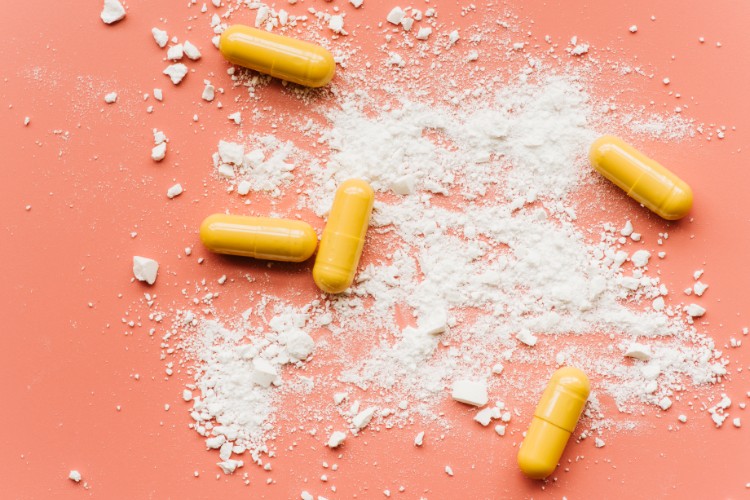
When Crushing Might Be Acceptable (But Still Ask First)
10. Some Tablets Aren’t Coated
Not all tablets are specially coated. Plain or chewable tablets sometimes allow crushing. But this only applies in select cases, and you should always confirm with a pharmacist or doctor.
11. Safer Alternatives Exist
If swallowing pills is difficult, ask about:
· Liquid medications
· Dissolvable tablets
· Powder packets
· Smaller tablet or capsule options
You have choices. Crushing should be the last resort.
Behind the Scenes: What Goes Into Tablet Coating?
12. The Role of Coating Material
Coating material isn’t just “stuff we add.” It includes ingredients like:
· Ethylcellulose for water resistance
· Hypromellose for controlled release
· Titanium dioxide for UV protection
· PEG for texture and handling
Each part of the formula ensures drug performance. That’s why tablet coating requires precision equipment and expertise.
13. Our Coating Process at Shine Health
We use advanced coating pans that rotate tablets evenly. We spray layers onto tablets with accurate control of:
· Temperature
· Airflow
· Spray rate
· Droplet size
This controlled environment helps build a perfect layer every time.
Crushing in Special Situations? Talk to Experts
14. Always Ask Before Crushing
Here’s a good rule: if you don’t know, don’t crush. Ask:
· Your pharmacist
· Your doctor
· The drug manufacturer (that’s us)
Healthcare professionals understand drug delivery systems. They’ll let you know if crushing is safe—or suggest better options.
15. Crushing for Children or Seniors
Sometimes caregivers feel forced to crush pills. We understand the struggle. If the patient can’t swallow, ask about alternative oral dosage forms. Many child-friendly and senior-friendly options exist.
When Coating Saves Lives (Yes, Literally)
16. Some Drugs Are Dangerous Without It
A few examples where the coating is critical:
· NSAIDs with enteric coatings to avoid ulcers
· Probiotics that need gut delivery
· Chemotherapy drugs with toxic ingredients
· Hormone therapies that affect others on contact
Removing the coating isn’t just risky—it’s sometimes deadly.
17. Crushing May Be Illegal or Unsafe
Believe it or not, tampering with tablets can violate prescription instructions. Some pharmaceutical products are labeled as “do not alter.” Crushing could make you legally liable if something goes wrong.
Summary: Our Take as a Manufacturer
We manufacture and supply film coated tablets because they’re effective, safe, and reliable. The coating matters—a lot. Crushing these tablets may lead to:
· Dangerous spikes in drug levels
· Ineffective treatment
· Increased side effects
· Wasted medication
· Long-term health complications
Please don’t crush first and ask later. Ask first.
Key Takeaways
✅ Film coated tablets serve real medical purposes
✅ Coating controls release, protects ingredients, and shields the stomach
✅ Crushing tablets is risky and may cause harm
✅ Enteric coated and modified release tablets should never be crushed
✅ Safer alternatives exist—liquids, chewables, or smaller pills
✅ Always talk to a healthcare professional before altering tablets