Is Lactose a Simple Sugar Or Complex Carb?
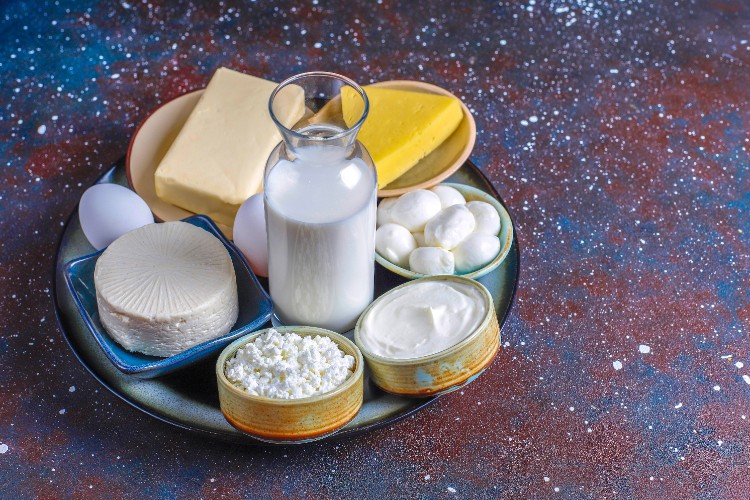
Lactose: What Exactly Are We Dealing With?
When someone asks, Is Lactose a Simple Sugar or Complex Carb?—our natural instinct is to shrug and say, “It’s in milk, right?” But behind that creamy cup lies a world of sweet science and food labeling chaos.
At Shine Health, we’ve spent years decoding the mystery of Lactose Powder—what it is, how it functions, and why it matters to your gut, brain, and daily fuel tank. So let’s dig deep but keep it fun.
Is Lactose a Simple Sugar or Complex Carb?
Let’s cut through the fluff. Lactose is a simple sugar, but it comes with a plot twist. It’s actually a disaccharide, made of two sugar units: glucose and galactose. This makes it slightly more complex than monosaccharides like fructose and glucose, yet still not enough to be called a complex carbohydrate.
Unlike complex carbohydrates, which include long chains of sugar molecules like those in fruits and vegetables, lactose breaks down fast. Your body digests it quickly, releasing blood sugar for that needed energy boost.
What’s a Simple Sugar?
We get it—terms like simple and complex start sounding like high school math. But it’s easy:
· Simple sugars = 1–2 sugar units
· Complex carbohydrates = 3 or more sugar units
So yes, milk sugar (a.k.a. lactose) wears the simple carbohydrate badge.
Why Does It Matter for Your Body?
Understanding if something’s a simple sugar or complex carb affects your energy, digestion, and even your mood swings. Let’s face it—food is personal.
Our Body’s Fuel: The Good, the Bad, and the Sugar
Your body prefers simple sugars like lactose because they’re easy to absorb. But that doesn’t mean you should go wild on added sugars like table sugar or corn syrup.
Here’s the twist: Lactose occurs naturally in dairy products. So when you drink milk or eat yogurt, you’re not just ingesting sugar—you’re fueling with protein, calcium, and B12 too.
Compare that to added sugar in soda. One fuels your bones. The other? Your dentist’s paycheck.
Lactose vs. Table Sugar
Both are disaccharides, but they’re not twins:
Sugar Type | Composition | Found In |
Lactose | Glucose + Galactose | Dairy Products |
Table Sugar | Glucose + Fructose | Sweets & Soft Drinks |
Lactose Powder is the refined version we use in food and pharma. It blends well, adds sweetness, and supports texture without spiking your glycemic index like table sugar.
How to Spot Lactose on Food Labels
Think lactose hides in only milk? Think again.
Look for clues on the ingredients list. You might spot:
· Lactose
· Whey solids
· Milk solids
· Lactitol (sugar alcohol from lactose)
That “Contains: Milk” note is your flashlight in the label jungle.
Decoding Labels: Simple Tips
Use these label-reading hacks to stay sharp:
· Avoid surprises by checking the ingredients list for “lactose”
· Focus on natural sources over added sugar
· Choose foods high in fiber to balance simple sugars
· Remember, lactose = natural; high-fructose corn syrup = not-so-much
Common Myths Busted
"Lactose Is Bad for You"
Nope. Unless you're lactose intolerant, it’s a safe natural sugar.
"Lactose Powder Is Just Sugar"
Wrong again. Lactose Powder serves critical functions in tablets, baking, and baby formula. It isn’t just a sweetener—it’s a structural hero.
"Simple Carbs Are All Evil"
That’s like saying all fast food is bad. Some simple carbohydrates, like those in dairy products, give you real nutritional value.
Should You Limit Lactose?
Not really—unless you have intolerance. For most people, lactose can be part of a balanced diet.
But here’s the key—limit added sugars, not naturally occurring ones like lactose. According to dietary guidelines, less than 10% of your daily calories should come from added sugars.
Fun Science: How Lactose Becomes Energy
Here’s how it works:
1. You eat something with lactose
2. Your body uses an enzyme called lactase
3. It breaks lactose into glucose and galactose
4. Glucose fuels your cells
5. Galactose supports brain and tissue development
Galactose is pretty special. You’ll also find it in sources of galactose like legumes, some veggies, and yes—your beloved dairy.
Real-Life Examples: Where Lactose Hangs Out
· Milk
· Cheese (especially soft types)
· Yogurt
· Ice cream (surprise!)
· Protein powders (check the label)
· Pharmaceuticals (thanks, Lactose Powder!)
Final Verdict: Simple or Complex?
Is Lactose a Simple Sugar or Complex Carb?
Drumroll... It’s a simple sugar. But don’t let the “simple” tag fool you—it does big things for your body.
We love working with Lactose Powder because it’s clean, functional, and naturally sweet. In a world full of sugar confusion, lactose gives us one less thing to stress about.
Pro Tips to Navigate Sugar Smarts
· Choose whole foods over processed snacks
· Read food labels like a detective
· Stay alert for added sugars
· Don’t fear simple sugars that occur naturally
· Use lactose-rich foods as part of meals, not sugar bombs
References
1. Harvard T.H. Chan School of Public Health - Carbohydrates