Is Microcrystalline Cellulose a Sugar? Here’s the Shocking Truth
We get this question more often than you'd think: Is Microcrystalline Cellulose a sugar? You’d be surprised how many supplement users feel confused when reading ingredient lists. So we’re here to set the record straight.
At Shine Health, we produce Microcrystalline Cellulose In Supplements, and we're proud of it. But no—it’s not a sugar. It’s way cooler (and more functional) than that.
Let’s dive deep into this misunderstood compound. We'll explore its roots, role, and how it works in the digestive tract. Plus, we’ll bust some myths while sharing real facts.
What Is Microcrystalline Cellulose?
Short answer: It’s not sweet
Longer answer: It’s partially depolymerized cellulose, derived from refined wood pulp, typically from pine or cotton.
We process it through acid hydrolysis, breaking down large cellulose fibers into tiny particles. Think of it as turning a tree’s support system into a super-fine functional powder.
Why People Mistake It for Sugar
HIt’s White and Powdery
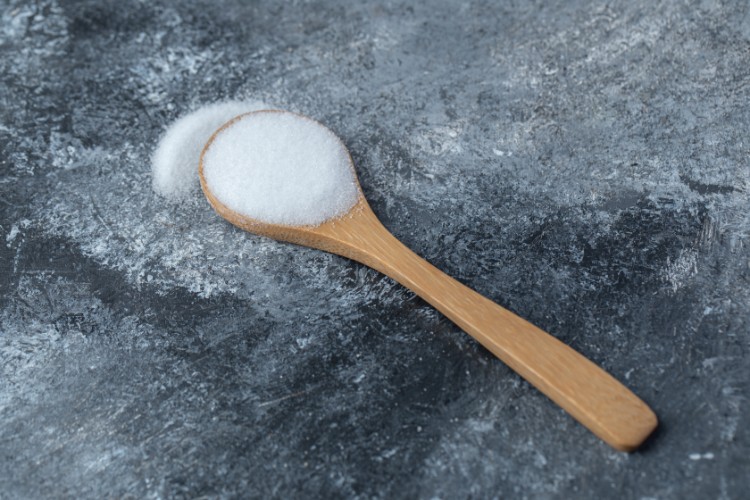
Yes, Microcrystalline Cellulose (MCC) looks like sugar. But appearances can fool you.
It Ends in "-ose" (It Doesn’t!)
Sugar molecules usually end in -ose (like glucose or fructose). Cellulose might sound similar, but chemically, it's far from a digestible sugar.
It’s in Food
It shows up in food labels, so people assume it's a sweetener. But it's not a flavoring. It’s more like a bulking agent or anti caking agent.
What MCC Really Does in Supplements
We include Microcrystalline Cellulose In Supplements for its structure, not taste. Here’s why manufacturers like us love it:
· It holds tablets together without glue
· It prevents moisture buildup
· It improves flow during tablet compression
· It doesn't interact with active ingredients
· It’s stable under heat and pressure
These features make it ideal in the pharmaceutical food cosmetic industries.
So, Is Microcrystalline Cellulose a Sugar?
Let’s put it in list form for clarity:
1. It’s from plant cell walls, not from cane or beet sugar
2. It’s processed using mineral acids, not enzymes like sugar
3. It’s indigestible by human enzymes
4. It contains no calories
5. It passes through the digestive tract without absorption
We’re not talking about something your body breaks down for energy. We’re talking about fiber—pure plant-based structure.
Fun Facts That Might Surprise You
It’s EU Approved
The European Union allows MCC in foods. It’s marked safe under strict regulation.
You Eat It Every Day
You’ve already consumed MCC today—possibly in your cereal, tablet, or bread.
It Adds Crunch
In some products, it enhances texture. That’s right—it’s a stealthy food production tool.
It’s a Friend to Vegans
No animal sources here. MCC comes from plants. That makes it ideal for plant-based supplements.
Common Myths (Debunked with a Wink)
“If it’s white, it’s sugar!”
We laugh every time we hear this. By that logic, flour, salt, and baking soda are sugars too.
“It’s unnatural!”
Guess what—cellulose is the most abundant organic polymer on Earth. It’s in trees, fruits, veggies—heck, it’s part of every leaf!
“It stays in your body!”
Nope. Your body doesn’t absorb MCC. It slides through your system like a polite guest—no drama.
Why We Stand by Microcrystalline Cellulose
As a manufacturer, we use MCC because it’s safe, effective, and versatile. It doesn’t pretend to be something it’s not. It doesn’t spike blood sugar. It doesn’t add calories.
And most importantly—it helps us deliver consistent high-quality supplements to people like you.
We could choose other excipients. But MCC checks all the boxes:
✅ Stable
✅ Safe
✅ Plant-derived
✅ Gluten-free
✅ Zero glycemic impact
Honestly, we love it for its simplicity. It lets the active ingredients shine.
Final Word: No, It’s Not Sugar. It’s Science.
Next time someone squints at your supplement label and says, “What’s this Microcrystalline Cellulose thing?”, you can confidently smile and say:
“It’s not sugar—it’s just doing its job.”
And now, you know exactly what that job is.