Does Breast Milk Have Lactose?
Breastfeeding can feel like a rollercoaster. One minute, we’re marveling at our baby's chubby cheeks—the next, we’re panicking over tummy troubles. A question we hear a lot? Does breast milk have lactose? Short answer—yes. But the long answer? It’s way more interesting and way more helpful for concerned parents like us.
Let’s dive into the sweet science behind breast milk, lactose, and what it means for our little ones.

The Sweet Secret Inside Human Milk
Most people don’t realize it—human milk contains more lactose than cow's milk. And that’s no accident. Lactose does more than sweeten the deal. It:
· Feeds gut bacteria
· Supports brain development
· Helps infants gain weight
· Fuels energy with glucose and galactose
Here's the thing. Lactose isn’t the villain it’s made out to be—unless your baby struggles to digest it.

So, What Exactly Is Lactose?
Lactose is a natural sugar found in mammalian milks like breast milk, goat milk, and cow’s milk. It’s made of two simple sugars:
· Glucose
· Galactose
To break it down, babies need an enzyme called lactase. This superhero enzyme lives in their small intestine and works hard to digest milk sugars.
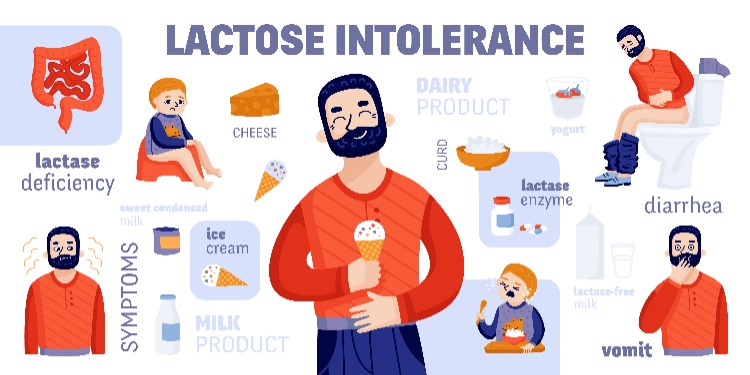
Lactose Intolerance: A Real Concern or Just a Phase?
Let’s bust a myth: Most babies are born to digest lactose.
But yes, there are exceptions. When something disrupts the balance, we may see signs of secondary lactose intolerance. It often happens after:
· A virus
· Gut inflammation
· Antibiotic use
And yes, it's usually temporary.
There’s also congenital lactose intolerance, a rare genetic condition. In these cases, the baby can’t produce lactase at all. But again—that’s extremely rare.
Formula vs. Breast Milk: Who Wins?
Many parents worry about switching to a lactose free formula when their baby fusses. While formulas can help in specific cases, breast milk still packs the best benefits for healthy babies.
Why?
Breast milk contains Galacto-oligosaccharides—powerful prebiotics that feed beneficial bacteria in your baby’s gut. These prebiotics:
· Boost immune systems
· Encourage short chain fatty acids production
· Protect against infections
Breast milk even adjusts its content to meet the baby's needs. How’s that for next-level nutrition?
Let’s Talk Galacto-oligosaccharides (GOS)
We specialize in producing high-quality Galacto-oligosaccharides, and trust us—they’re magical. Naturally found in human milk, GOS plays an important role in:
· Growing gut bacteria like Bifidobacteria
· Making poop softer (Yes, it matters!)
· Supporting overall digestion
You’ll also find GOS in many infant formula brands because it mimics human milk’s prebiotic profile.
Note: Some GOS in formula are synthetically made, while others use dairy by-products. So if your baby has issues with dairy products, read the label carefully.
Signs Your Baby Might Be Sensitive to Lactose
Now, not every spit-up or gas bubble screams intolerance. But keep an eye out for:
· Explosive, watery poop
· Excessive gassiness
· Diaper rash that won’t quit
· Poor weight gain
· Fussiness during feedings
Still unsure? Your pediatrician can run a quick test for lactose sensitivity.
Lactose Myths That Need to Die Already
Let’s clear the air with a bit of myth-busting:
· "All babies need lactose free formula." Not true. Most digest lactose just fine.
· "Lactose is just sugar—bad for babies." Wrong again. It fuels the brain and body.
· "Formula-fed infants don’t need prebiotics." False. Their guts still need beneficial bacteria support.
In short, lactose is not the enemy. Poor digestion, infections, or enzyme shortages are the real culprits.
Surprising Twist: Why More Lactose Isn’t Always Bad
Guess what? Breast milk has more lactose than cow's milk, yet it causes fewer issues. Why?
Because it comes with:
· Natural enzymes
· Protective antibodies
· Galacto-oligosaccharides to balance gut flora
We’re not just feeding babies—we’re designing future immune systems with every drop of human milk.
When Should You Consider a Lactose-Free Formula?
Sometimes, we do need to pivot. Consider a lactose free formula if your baby:
· Was diagnosed with congenital lactose intolerance
· Suffers from chronic gut infections
· Can’t gain weight despite eating well
But make sure this switch is guided by a doctor. Self-diagnosing often creates more problems.
Why We’re So Passionate About GOS
As a manufacturer of Galacto-oligosaccharides, we’ve seen firsthand the significant increase in babies' well-being when their guts are supported. GOS isn’t just a trendy ingredient. It:
· Makes digestion smoother
· Creates a stronger microbiome
· Supports long-term health
Our GOS products go through strict testing to ensure safety purity and effectiveness. Because your baby deserves nothing less.
Conclusion: What Should Parents Remember?
We get it—parenting is messy emotional and often confusing. But here’s what helps:
· Yes—breast milk has lactose
· No—that’s not a bad thing
· Yes—some babies struggle with it but it’s rare
· No—don’t panic unless you see real symptoms
The bottom line? Breast milk plays an important role in your baby’s growth thanks to lactose Galacto-oligosaccharides and countless other components.
Let’s give our babies what nature intended—with a bit of science-backed support when needed.