When Cheap Fiber Changes Quietly Damage Gut Comfort
Cost-cutting on dietary fiber might look attractive on a spreadsheet: switch to a cheaper powder, save a few cents per kilogram, and improve your margin. However, if that new ingredient triggers waves of bloating and discomfort complaints, the resulting refunds, chargebacks, and delistings can wipe out those savings many times over.

For brands utilizing resistant dextrin, soluble corn fiber, tapioca resistant dextrin, or microcrystalline cellulose (MCC), protecting gut comfort and brand equity starts with treating these components as engineered functional ingredients rather than interchangeable commodities. At Shandong Shine Health Co., Ltd., we build our entire portfolio and quality control systems around exactly this philosophy.
How Small Formulation Changes Turn Into GI Complaints
When a high-fiber product suddenly generates more bloating or gas feedback, the root cause is usually a combination of several critical factors:
- Dose per serving: The total grams of fermentable fiber consumed in one use.
- Solubility and particle form: How quickly the powder disperses and travels through the gut.
- Matrix and application: The format—beverage, bar, or sauce—alters how fast the fiber is delivered.
- Moisture and water activity: These directly influence shelf stability and microbial safety.
- Microbiology controls: High plate counts or spoilage organisms can severely aggravate symptoms in sensitive consumers.
Our resistant dextrin specifications clearly demonstrate how tightly we control these variables:
- Fiber content grades (D1–D4): ≥70%, ≥85%, ≥90%, ≥95% (g/100 g).
- Moisture: ≤5.0 g/100 g.
- Ash: ≤0.1 g/100 g.
- pH: 3–6.
- Water activity: ≤0.2.
- Aerobic plate count: ≤1000 CFU/g.
- Coliforms: ≤3 MPN/g.
- Mould / Yeast: ≤25 CFU/g each.
Opting for a cheaper fiber with looser quality controls on these exact points, even while keeping the same on-pack grams, can quietly alter fermentation patterns. This shift easily tips the consumer experience from "comfortable regularity" to "noticeable bloating."
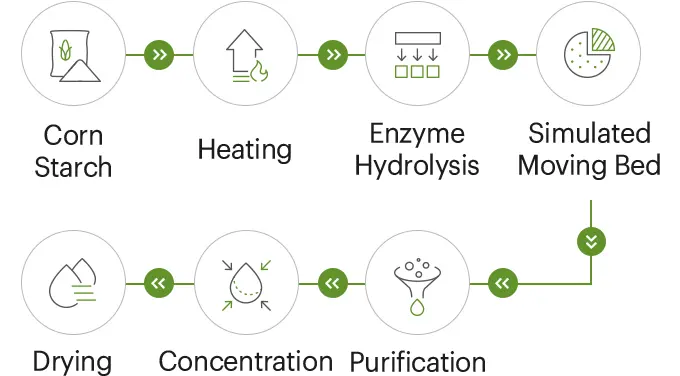
Fiber Families Are Not Interchangeable
Resistant Dextrin – Controlled, Soluble Starch Fiber
Our sugar-replace cassava and corn-based resistant dextrin is meticulously produced from NON-GMO corn starch. We utilize advanced biological enzymes, a precision German-origin production line, exquisite Japanese craftsmanship, and a fully equipped QC laboratory. The final result is:
- A white to light yellow powder featuring a sweet, mild, pure flavour.
- A highly soluble ingredient that remains heat- and acid-stable.
Typical applications, as detailed on our product pages, include:
- Ready-to-drink beverages.
- Nutrition and meal-replacement bars.
- Sauces, dips, and salad dressings.
Beyond basic functionality, we position our resistant dextrin as a premium prebiotic soluble fiber that actively:
- Supports digestive health and bowel regularity.
- Assists in weight management by promoting satiety.
- Helps with blood sugar regulation.
- Contributes to natural cholesterol management.
- Nurtures a balanced gut microbiome and provides immune support.
Soluble Corn Fiber – Natural Raw-Material Backbone
Within our Natural Raw Material Soluble Corn Fiber line, we offer a dietary fiber that is:
- Derived from pure NON-GMO corn starch.
- Typically standardized to ≥82% fiber content.
- Neutral in taste, boasting excellent solubility in both hot and cold water.
- Highly stable under heat and acidic conditions.
It is widely formulated into:
- Dietary supplements and soluble fiber powders.
- Meal replacements and protein-enriched products.
- Functional baked goods and beverage systems.
We highlight digestive health, blood sugar management, weight control, and improved texture and mouthfeel as the core advantages when our soluble corn fiber is applied appropriately.
Tapioca Resistant Dextrin – Clean-Label and Family Friendly
Our tapioca-based resistant dextrin is crafted from premium tapioca sourced from sustainable farms. It undergoes an automated, enzyme-based processing method similar to our corn fibers. This ingredient is:
- Non-GMO, gluten-free, and hypoallergenic.
- Exceptionally soluble with a completely neutral flavour profile.
Its tapioca origin and strict traceability make it particularly suitable for:
- Clean-label beverages and dietary powders.
- Gut-friendly nutritional supplements.
- Products specifically aimed at health-conscious families and sensitive consumers.
Microcrystalline Cellulose – A Different Kind of “Fiber”
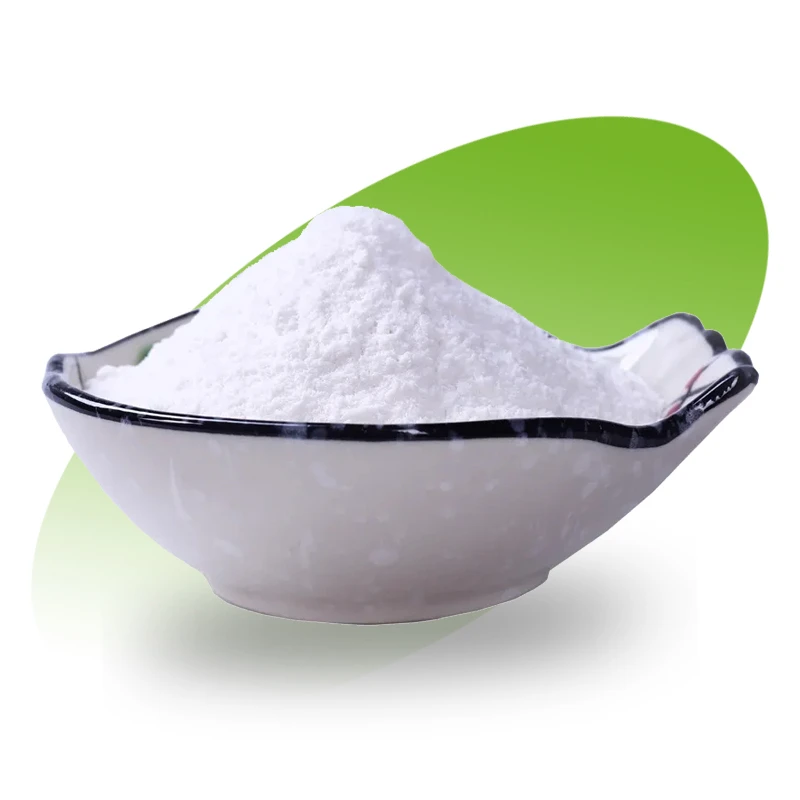
In stark contrast to prebiotic fibers, our microcrystalline cellulose wholesale range (including PH‑101, 102, 200, and others) is:
- A white or almost white powder (CAS 9004‑34‑6).
- Supplied primarily as a chemical auxiliary agent and binding agent.
According to our MCC specifications, it functions mainly as a:
- Binding and disintegration aid in pharmaceutical tablets.
- Functional excipient in food manufacturing processes.
- Auxiliary component in cosmetics, plastics, water treatment, and other industrial applications.
MCC does not fulfill the same prebiotic role as resistant dextrin or soluble corn fiber. Treating it as a direct substitute for fermentable fibers in your formulations will inevitably create unexpected differences in both product texture and consumer experience.

A Practical Checklist Before You Switch Fiber Suppliers
When your procurement team is evaluating a new resistant dextrin supplier, soluble corn fiber manufacturer, tapioca resistant dextrin partner, or microcrystalline cellulose wholesale source, following a structured process helps keep the risks of cheap fiber substitution firmly under control.
1. Pre-Screen Supplier Quality
Always request and meticulously review:
- Certificates of Analysis (COA) for every single batch.
- Fiber content grade (e.g., D1–D4 for resistant dextrin, ≥82% for soluble corn fiber where applicable).
- pH and water activity targets to ensure they align with strict standards like ours.
- Microbial limits: Aerobic plate count, coliforms, mould, and yeast.
- Certifications that demonstrate reliability. We proudly display ISO9001, BRC, HALAL, HACCP, and KOSHER across our facilities.
- Hard evidence of automated, closed production systems and a fully equipped QC laboratory.
2. Run a Pilot Tolerance Check
Before committing to a full reformulation or market launch:
- Produce a small pilot batch using the proposed new ingredient at the target dose.
- Have a test panel consume the product over several days under normal conditions.
- Track simple but crucial indicators such as bloating, gas, and stool changes compared to your current formula.
Even when the nutritional panel claims "the same grams of fiber," different grades and botanical sources can feel noticeably different during real-life consumption.
3. Set Conservative On-Pack Guidance
Leverage your internal pilot data to:
- Select a starting serving size that the majority of users can handle comfortably.
- Suggest gradual intake increases for exceptionally high-fiber products.
- Clearly distinguish between prebiotic fibers (like resistant dextrin, soluble corn fiber, and tapioca resistant dextrin) and structural excipients (like MCC) in your internal formulation guidelines.
4. Secure After-Sales and Technical Support
When you partner with a trusted manufacturer like Shine Health, ensure your agreements reflect the level of service you truly need:
- Guaranteed access to 24/7 online technical support, as we provide in our after-sales service commitments.
- Clear response times and defined corrective actions for any quality queries.
- The flexibility to adjust specifications (for instance, upgrading from D1 to D3 fiber content) while maintaining absolute traceability.
5. Monitor Launches and Close the Loop
Immediately following a launch or reformulation:
- Track complaint trends meticulously by SKU and batch number.
- Share structured, honest feedback with your resistant dextrin supplier or soluble corn fiber manufacturer.
- Utilize this feedback loop to refine the grade, dose, or application method before retailers or social media backlash force much more expensive corrective steps.
FAQs
Q1. Why do GI complaints increase when the labeled grams of fiber remain identical?
Different dietary fibers and specific grades ferment at varying rates within the gut. Furthermore, carrier characteristics such as moisture content, pH, and water activity can drastically alter the gastrointestinal response. Our resistant dextrin grades (D1–D4) and detailed specifications clearly illustrate how two powders generically labeled "resistant dextrin" can behave quite differently.
Q2. How do we help mitigate the risks of cheap fiber substitution?
We publish transparent, exact specifications for our resistant dextrin, soluble corn fiber, tapioca resistant dextrin, and microcrystalline cellulose. We back these standards with fully automated production lines and advanced QC labs. Additionally, we support our clients with 24/7 technical assistance and comprehensive, documented certifications.
Q3. When should a brand choose tapioca resistant dextrin over a corn-based fiber?
Our tapioca resistant dextrin is non-GMO, completely gluten-free, and highly hypoallergenic. This makes it an exceptional fit for clean-label beverages, specialized supplements, and family-oriented products targeted at highly sensitive consumers.
Q4. Where does microcrystalline cellulose fit into a comprehensive high-fiber strategy?
Our MCC acts primarily as a binding and disintegration aid, serving as a chemical auxiliary agent for pharmaceuticals, food, and cosmetics. It is designed to provide structural and processing support, rather than functioning as a prebiotic soluble fiber.
Q5. What minimum documentation should I demand from any fiber supplier?
At an absolute minimum, you should request the COA, microbial test results, precise fiber content grade, pH levels, and water activity data. Also, ask for copies of key operational certifications such as ISO9001, BRC, HALAL, HACCP, and KOSHER—mirroring the exact transparency we present on our own product pages.
References
- Shandong Shine Health Co., Ltd. – Sugar Replace Cassava Resistant Dextrin product page and specifications.
- Shine Health – Natural Raw Material Soluble Corn Fiber product overview, parameters and production process.
- Shine Health – Abundant Dietary Fiber Tapioca Resistant Dextrin Powder product details and production flow.
- Shine Health – Microcrystalline Cellulose Wholesale specifications, PH grades and company strength.
- Shine Health – Resistant Dextrin Used in Seasonings applications in dips, sauces and dressings.
- Shine Health – Bars with Resistant Dextrin manufacturing advantages and application range.
- Heuvel, E. et al. Short-term digestive tolerance of different doses of a food dextrin in adult men. European Journal of Clinical Nutrition (2004). https://doi.org/10.1038/sj.ejcn.1601930
- Pasman, W. et al. Long-term gastrointestinal tolerance of a food dextrin in healthy men. European Journal of Clinical Nutrition (2006). https://doi.org/10.1038/sj.ejcn.1602418
- Younes, M. et al. Re-evaluation of celluloses E460–E469 as food additives. EFSA Journal (2018). https://doi.org/10.2903/j.efsa.2018.5047
- U.S. FDA. Review of the Scientific Evidence on Physiological Effects of Certain Non-Digestible Carbohydrates. FDA non-digestible carbohydrate review