Unify MCC and Resistant Dextrin Sourcing to Cut Risk
For pharmaceutical, nutritional, and functional food brands, handling distinct suppliers for microcrystalline cellulose (MCC) and resistant dextrin frequently leads to duplicated audits, mismatched documentation, and added variables during troubleshooting. Merging the sourcing of both ingredients with a single-source MCC and resistant dextrin partner in China effectively minimizes quality risks and internal complications, provided that the partner operates under unified production and quality control frameworks.
At Shandong Shenghuai Health Co., Ltd. (Shine Health), we specialize in pharmaceutical excipients and functional dietary fibers. We produce MCC and resistant dextrin utilizing harmonized standards and centrally regulated processes. This approach offers our buyers a realistic method to streamline procurement without sacrificing formulation flexibility.

Why Consolidating MCC and Resistant Dextrin Lowers Quality Risk
Engaging separate vendors for these critical ingredients often results in:
- Non-aligned analytical methods and COA formats for each excipient
- Multiple on-site audits and lengthy qualification questionnaires
- Extra variables when investigating deviations in tablets, capsules, or beverages
- Fragmented traceability when issues occur during production
Adopting a single-source model fundamentally changes the equation. When we manufacture both excipients under one unified set of SOPs, in-house QC, and documentation systems, our partners can expect:
- One consistent COA structure and traceability model across both ingredients
- Uniform test methods and specifications between our MCC and resistant dextrin
- Faster root-cause analysis, supported by a centralized QC laboratory
- Fewer site visits, audits, and vendor qualifications to maintain
Because we produce both MCC and resistant dextrin internally, you interact with a single, well-documented quality system rather than stitching together diverse supplier approaches.
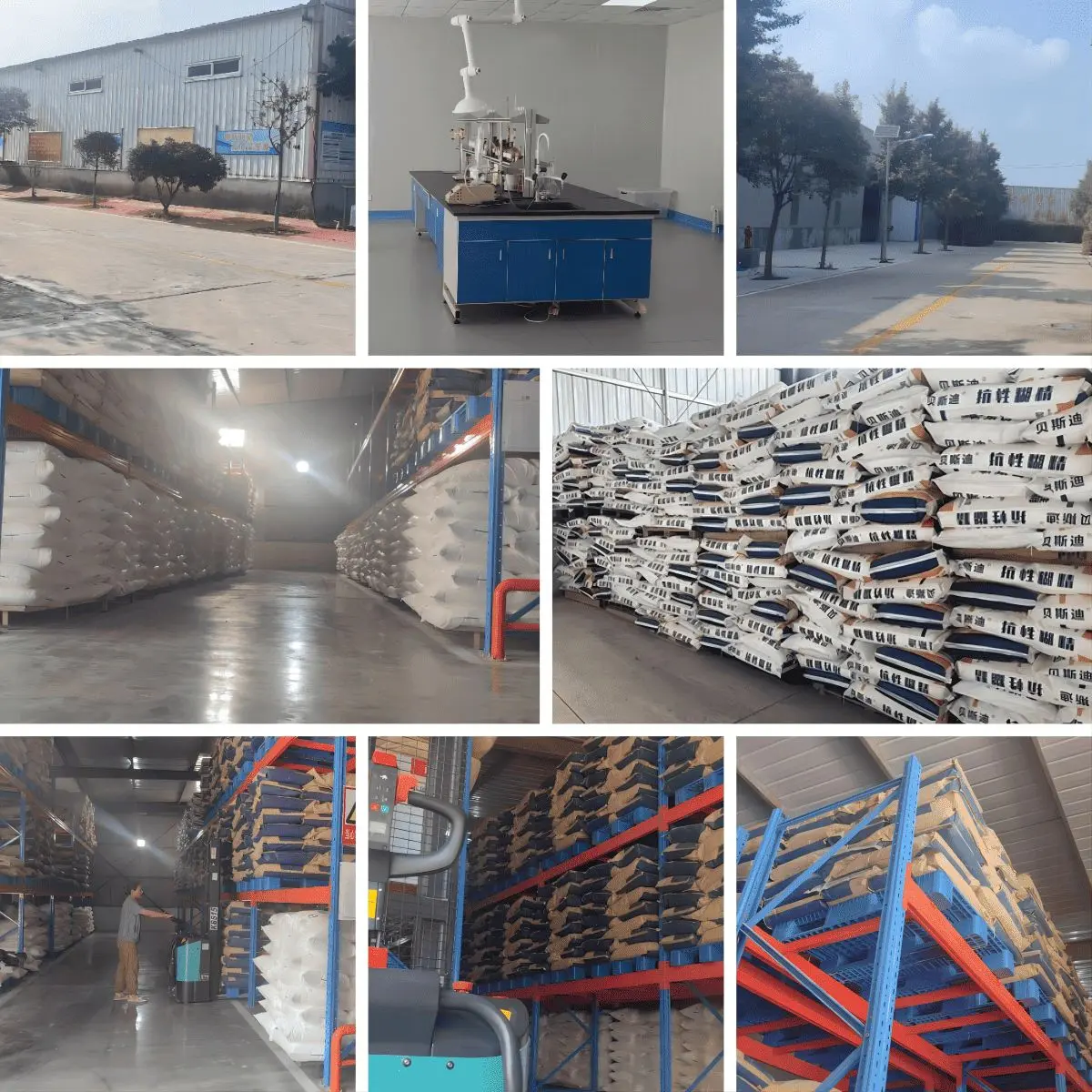
MCC Capabilities Under Unified Testing and Standards
As a dedicated Shandong microcrystalline cellulose supplier, we provide pharmacopeial-grade MCC produced in strictly controlled workshops.
Key MCC parameters from our product portfolio include:
- Kinds / Grades: PH-101, PH-102, PH-103, PH-105, PH-112, PH-113, PH-200, PH-301, PH-302
- Appearance: White or almost white powder
- Mesh: 60–200
- Purity: 0.99
- Standards: BP / USP / FCC / JP
- Type: Binding agent, classified as a chemical auxiliary agent
- Test Method: HPLC test
- Certifications: ISO9001, HALAL, Kosher, and ISO22000
- Packaging: Standard 20 KGS woven bags, with customized options available
- Samples: Freely provided upon request
We manufacture these MCC grades in Shandong, China, operating our production lines under robust GMP- and ISO-based controls. For formulation and QC teams, this ensures predictable MCC performance from batch to batch across tablets, nutritional supplements, and food applications.
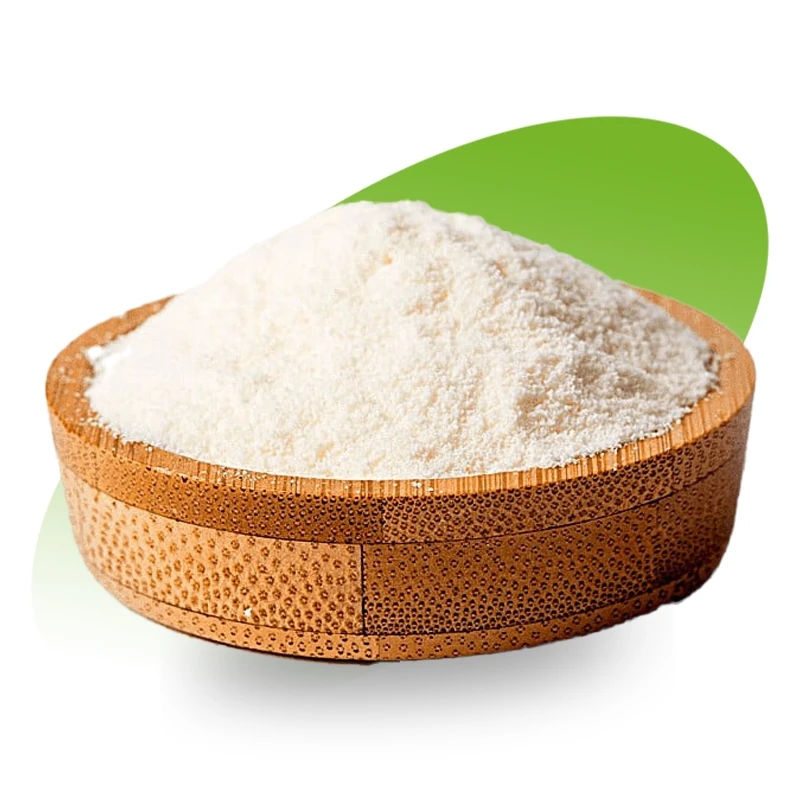
Resistant Dextrin Fiber Capabilities for Corn and Cassava Origins
On the dietary fiber side, we serve as a leading China resistant dextrin manufacturer, supplying premium corn-based and cassava-based resistant dextrin, including resistant maltodextrin and indigestible maltodextrin product lines.
Our resistant dextrin features several key characteristics:
- Source: NON-GMO corn starch (with cassava options) from premium regional producers
- Fiber Content: ≥82% for our Gut Health Dextrin
- Protein Content: ≤6.0%
- Appearance: White to light yellow powder
- Production Line: German-origin precision line, fully automatic and unmanned
- Craftsmanship: Process design inspired by stringent Japanese detail standards
- QC Lab: Fully equipped in-house laboratory
- Certifications: ISO9001, BRC, HALAL, HACCP, KOSHER
- Packaging: Moisture-controlled bags (e.g., 20 kg formats) with custom solutions
- Support: 24/7 engineer support, ODM capabilities, and patent certification
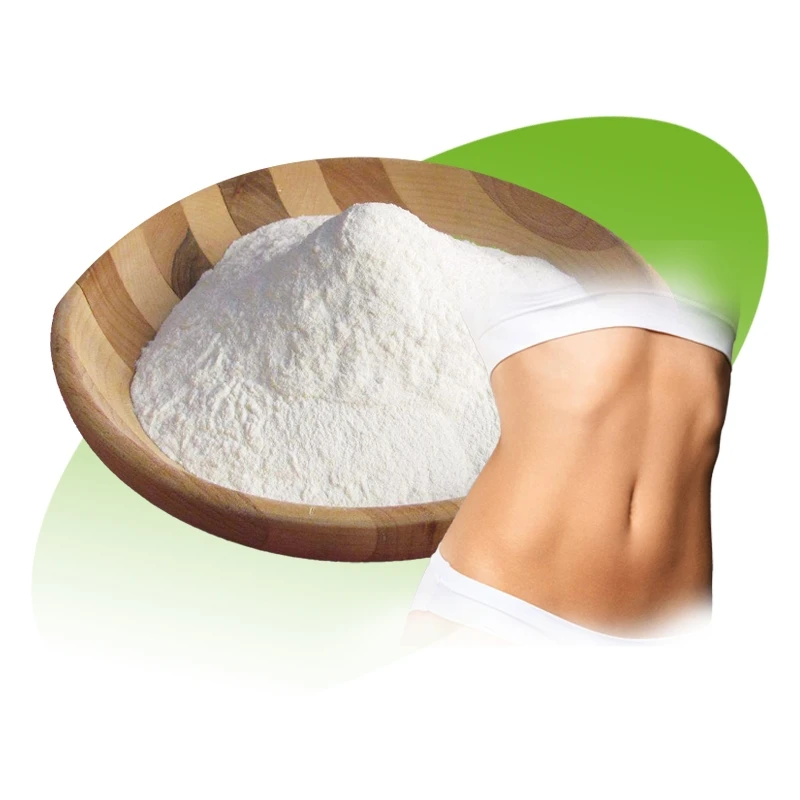
We apply the same automated, centrally controlled philosophy to our resistant dextrin as we do to our MCC, helping you align quality behavior across excipients and fibers seamlessly.
Shared Production and QC Systems Behind Both Product Families
Since we produce both ingredients in-house, our team applies the same robust backbone systems across the board:
- Automated, centrally controlled production from raw material feeding to final filling
- GMP / ISO-based workshops maintaining clean, strictly controlled environments
- Unified QC laboratory covering identity, purity, moisture, microbiology, and physical properties
- Centralized COAs and comprehensive batch-number traceability
- Patent certification specifically for our resistant dextrin technology
- Global-market certifications across different lines

For procurement managers building a pharmaceutical excipient sourcing strategy or a fiber-enriched beverage portfolio, this shared infrastructure makes a single-source approach highly practical and efficient.
Practical Qualification Checklist for a Single Chinese Supplier
Procurement and QA teams can translate our capabilities into a structured supplier qualification checklist:
- Certifications and Patents
Review our up-to-date ISO9001, ISO22000, BRC, HALAL, HACCP, and KOSHER certificates, along with our resistant dextrin patent documentation. - COAs and Test Methods
Confirm that our MCC COAs clearly state grade, mesh, purity, and HPLC test methods. For resistant dextrin, review our strict limits on fiber content, protein, moisture, microbiology, and pH. - Samples and Pilot Trials
Request our free MCC and resistant dextrin samples to run side-by-side trials in your specific applications before finalizing your consolidation decision. - Traceability and Packaging Options
Verify our full batch traceability back to raw materials, and explore our packaging formats, such as 20 kg woven or moisture-proof bags. - Change-Control and Service KPIs
Align on change-control notification periods and complaint response expectations. We take pride in our 24/7 engineer access and dedicated ODM support.
Balancing Consolidation Benefits with Supply Security
Any consolidation strategy raises a natural question: what about dependency on one vendor? We address this concern through several strategic measures:
- Maintaining a large ready-to-ship inventory
- Utilizing efficient logistics management for rapid global shipping
- Offering flexible packaging and ODM services tailored to different regions
You can implement your own safeguards by maintaining safety stock of core SKUs, confirming lead times during RFQs, and utilizing us as your primary Jinan pharmaceutical excipient supplier while keeping secondary options open.
How Consolidation Simplifies Daily Work for Technical Teams
When you source MCC and resistant dextrin from a single expert manufacturer like us, your internal teams experience direct, practical benefits:
- Audits: Only one manufacturing site and one quality system to audit.
- Documentation: Aligned COAs, methods, and certifications stored in a single, cohesive document set.
- Formulation Support: A single technical team supporting both your tablet compression and fiber beverage development.
- Troubleshooting: One dedicated QC lab helping you distinguish process issues from excipient behavior.
For organizations under pressure to launch stable tablets, gummies, or fiber beverages quickly, this consolidated model reduces friction and frees up capacity for genuine innovation.
Connect With Us
- Contact Person: Henry Liu
- Phone / WhatsApp: 8619953188045
- E-mail: info@sdshinehealth.com
- Website: www.sdshinehealth.com
- Address: Yongan Building, No.268 Quancheng Road, Jinan City, China
FAQs
1. Can I request samples of both MCC and resistant dextrin?
Yes. We freely offer samples for both our MCC and resistant dextrin lines to support your pilot and ODM projects. Contact our team to arrange delivery.
2. What certifications support your MCC and resistant dextrin?
Depending on the specific product line, our facilities and ingredients are backed by ISO9001, ISO22000, BRC, HALAL, HACCP, and KOSHER certifications.
3. Which MCC grades are available for tablets and supplements?
We supply multiple grades to suit different applications, including PH-101, PH-102, PH-103, PH-105, PH-112, PH-113, PH-200, PH-301, and PH-302. All are delivered as a white or almost white powder with 60–200 mesh.
4. How is your resistant dextrin produced and controlled?
We produce our resistant dextrin from NON-GMO corn starch (with cassava options) using fully automatic, German-origin lines. We apply Japanese-inspired craftsmanship standards, and our fully equipped in-house QC lab oversees every stage from raw materials to the finished product.
5. What packaging formats are typically offered?
We standardly pack our products in 20 kg woven or moisture-proof bags. However, we are fully equipped to provide customized packaging solutions tailored to your production requirements.
6. Do you provide technical support for ODM projects?
Absolutely. We offer 24/7 engineer support, robust R&D capabilities, and comprehensive after-sales service to ensure your ODM projects succeed.
References
- Shandong Shenghuai Health Co., Ltd. Microcrystalline Cellulose product pages. Available at: https://www.sdshinehealth.com
- Shandong Shenghuai Health Co., Ltd. Microcrystalline Cellulose bulk and powder pages. Available at: https://www.sdshinehealth.com
- Shandong Shenghuai Health Co., Ltd. Gut Health Dextrin and Sugar Replace Cassava Resistant Dextrin pages. Available at: https://www.sdshinehealth.com
- Chaerunisa, A. Y., Sriwidodo, & Abdassah, M. (2019). Microcrystalline Cellulose as Pharmaceutical Excipient. In Pharmaceutical Formulation Design. IntechOpen. https://doi.org/10.5772/INTECHOPEN.88092
- Kim, J. Y., & Choi, D. H. (2022). Control Strategy for Excipient Variability in the Quality by Design Approach. Pharmaceutics, 14(11), 2416. https://doi.org/10.3390/pharmaceutics14112416
- Chow, F., Davidson, J., & Vogel, P. (2009). An effective quality system approach for the qualification of excipient suppliers. Chimica Oggi. https://www.semanticscholar.org/paper/An-effective-quality-system-approach-for-the-of-Chow-Davidson/8fdbf8
- Carlin, B. (2012). Quality Risk Management of Compliant Excipients. Journal of Excipients and Food Chemicals, 3(2), 33–46. https://www.semanticscholar.org/search?q=Quality%20Risk%20Management%20of%20Compliant%20Excipients