Trust Bakery Scale Up Only When Samples Match Process Data
Moving a fiber-enriched bakery formula from trial production to a larger run is not simply a matter of repeating ingredient percentages. A perfect loaf, muffin, cake, cookie, or pastry might prove what happened once, but comprehensive process records help explain whether that success can happen consistently again. For bakery teams evaluating resistant dextrin, the most robust launch decision comes from analyzing sample performance and central control evidence side by side. This integrated approach is essential for ensuring both product quality and operational efficiency as production scales.
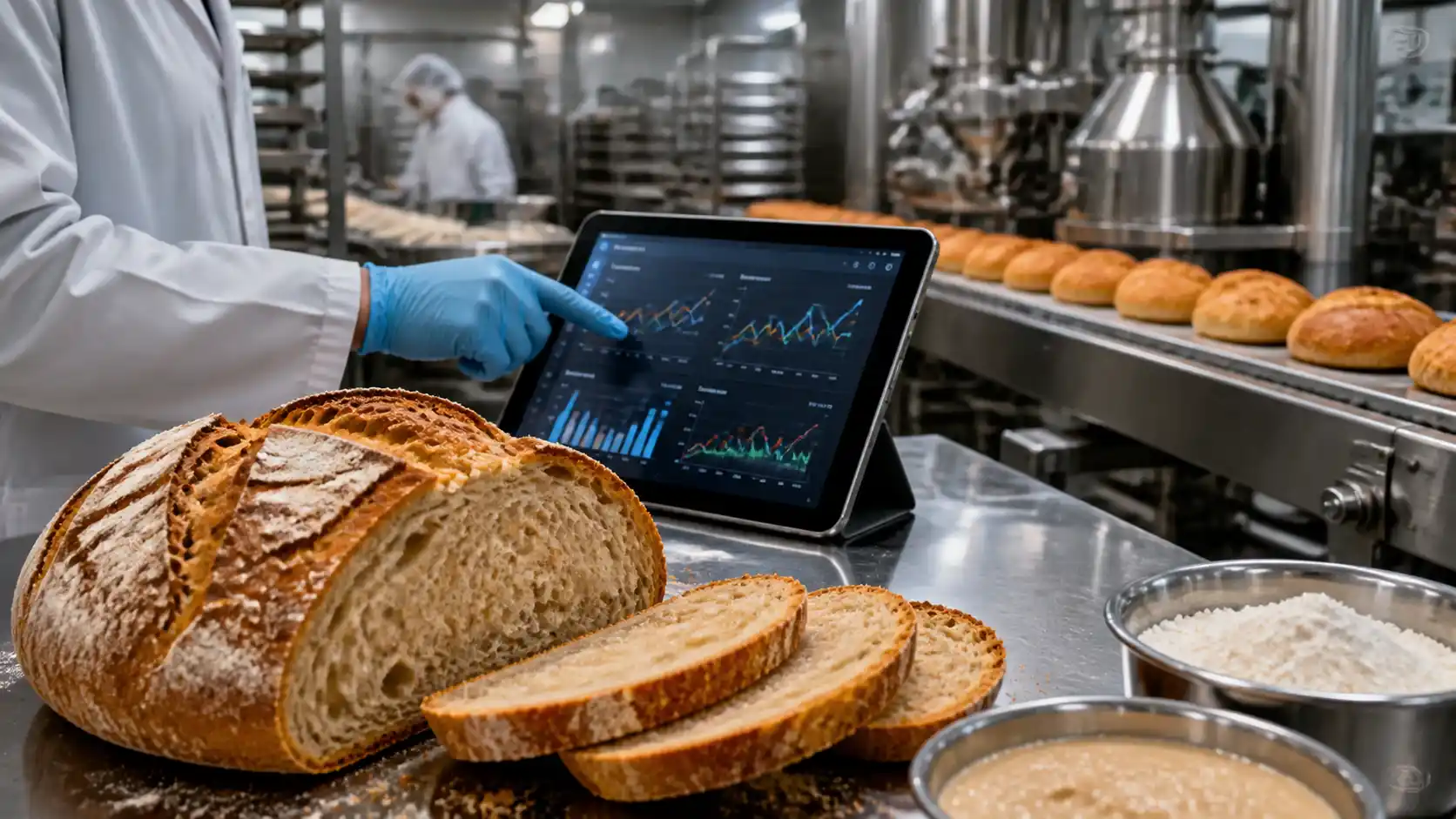
Why Trial Samples Need Process Evidence
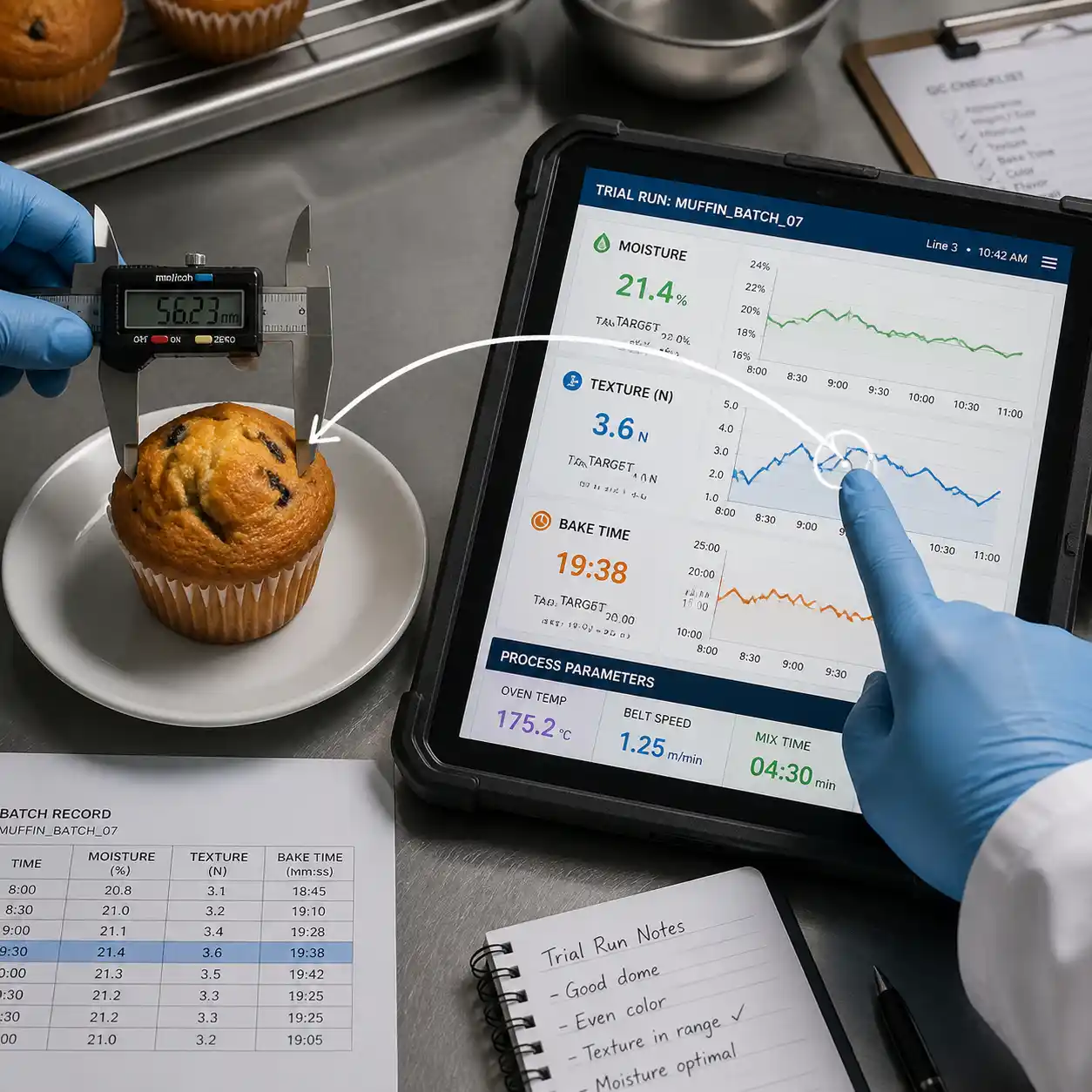
A visually appealing trial sample might showcase the desired crumb structure, ideal softness, and an attractive appearance. However, scaling up production demands more than just a positive tasting session. Bakery teams should first clearly define their finished-product targets, including specific metrics for texture, moisture content, and shelf life. These targets are then rigorously compared against the recorded conditions from every stage of production—mixing, proofing, baking, cooling, and packaging. Such records, ideally captured by the bakery’s own control systems, provide objective data on the process parameters.
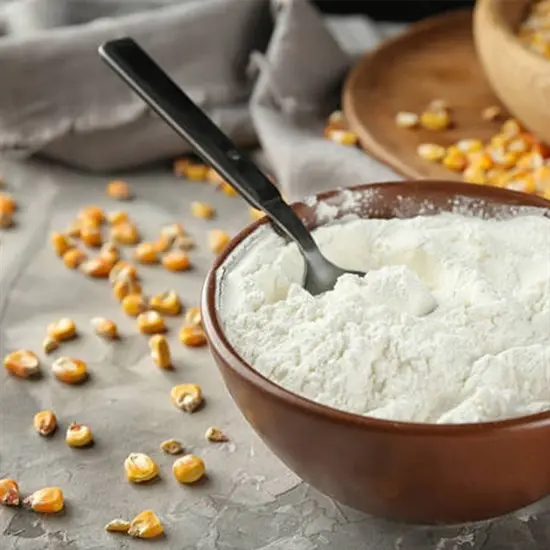
This data-driven approach is particularly valuable for integrating Resistant Dextrins for Baked Goods. Shine Health, for instance, offers a corn-starch-based resistant dextrin perfectly suited for a wide range of baked products like bread, muffins, cakes, cookies, and pastries. Its documented product parameters consistently show a white to light yellow appearance, a high fiber content of ≥82%, protein content of ≤6.0%, and a recommendation for storage in a cool, dry place. These specific details are crucial for predicting how the ingredient will perform under varying production conditions.
A Practical Pre-Scale-Up Workflow
Before approving a larger bakery run, quality assurance (QA) and production teams can implement a straightforward, yet effective, validation sequence:
- Define Target Specifications: Establish precise acceptance criteria for key characteristics such as crumb structure, moisture level, overall texture, visual appearance, and shelf-life performance.
- Conduct Fiber Formulation Trial: Execute the new fiber formulation under carefully recorded production conditions. Every variable, from mixing speed to oven temperature, should be meticulously logged.
- Review Process and Oven Trends: Analyze the process data and oven trends captured by the bakery’s control system. Look for consistency, deviations, and any unusual spikes or dips in parameters.
- Compare Finished Samples: Evaluate the trial's finished product samples directly against the predefined acceptance criteria to confirm they meet the desired quality standards.
- Confirm Reproducibility: Repeat the production run to verify that acceptable results can be consistently achieved within a similar operational window. This step is vital for validating process robustness.
The main takeaway here is that detailed process data becomes an integral part of the practical recipe. If an otherwise acceptable sample was produced under narrow or unexpected conditions, the bakery needs to understand that thoroughly before committing to mass production. This mitigates risks and ensures consistent quality at volume.
Choosing Fiber Ingredients for Bakery Trials
It's important to recognize that different fiber ingredients are not interchangeable without proper testing. Each type brings unique properties that can significantly impact the final product. For instance, Shine Health offers a variety of resistant dextrin products, each with distinct characteristics relevant to bakery applications:
- Resistant Dextrin (Corn-starch based): This variant, with its ≥82% fiber content, is excellent for fiber enrichment in a wide range of baked goods, improving texture and moisture retention.
- Tapioca Resistant Dextrin Powder: Described as highly soluble, neutral in taste, non-GMO, and gluten-free, it maintains stability under various heat and pH conditions. Its versatility makes it a strong candidate for diverse baked goods testing, contributing to a desirable mouthfeel and extended freshness.
- Natural Soluble Corn Fiber: This ingredient stands out for its neutral taste, exceptional solubility in both hot and cold water, and remarkable resistance to heat and acid. These properties are crucial for evaluating processing tolerance and ensuring product integrity during baking.
- Indigestible Maltodextrin: Specifically documented for bakery and confectionery use, it offers rapid solubility, low hygroscopicity, and low water activity. This helps in controlling moisture migration and preventing staling, leading to an improved shelf life for products like cookies and biscuits.
| Ingredient | Documented Characteristics Relevant to Trials | Bakery Relevance | Key Benefits for Baked Goods |
|---|---|---|---|
| Resistant Dextrin | Corn-starch based, ≥82% fiber content, white to light yellow appearance | Fiber enrichment in bread, cakes, cookies, pastries | Improves texture, moisture retention, and nutritional profile |
| Tapioca Resistant Dextrin Powder | High solubility, neutral taste, heat and pH stability, non-GMO, gluten-free | Useful candidate for baked goods testing, versatile | Enhanced mouthfeel, extended freshness, clean label |
| Natural Soluble Corn Fiber | Soluble in hot and cold water, heat and acid resistant, neutral taste | Relevant to processing tolerance evaluation, stability | Maintains integrity under harsh processing, broad application |
| Indigestible Maltodextrin | Rapidly soluble, low hygroscopicity, low water activity | Documented for bakery and confectionery applications | Controls moisture, prevents staling, extends shelf life |
Supplier Assessment Before Launch
Thorough ingredient supplier assessment should always support, not replace, a bakery's internal product validation process. Shine Health, for example, emphasizes fully automated central control in its dietary fiber manufacturing process, from raw material feeding all the way to product filling. This level of automation directly contributes to consistent product quality and reduces human error, a critical factor for reliable ingredient supply.
Furthermore, Shine Health maintains a fully equipped QC laboratory for rigorous testing and quality control at every stage. They also ensure professional packaging to maintain product integrity during transit and storage, hold patent certifications demonstrating innovation in the resistant dextrin field, and provide comprehensive technical and after-sales support. This includes 24/7 online consulting services, flexible payment options, and efficient logistics. For buyers seeking a reliable Chinese Resistant Dextrin Manufacturer, these points are essential for structuring a comprehensive procurement review. It is also important to note that sourcing tasks for ingredients like microcrystalline cellulose should be treated separately, as they belong to a different product category with unique specifications and applications.
The Launch Decision
A bakery's critical question should not solely be, “Did the trial sample look good?” Instead, a more robust inquiry is: “Can the same product quality be consistently reproduced within a known and controlled process window?” If the ingredient specification is thoroughly vetted and acceptable, the process records demonstrate repeatability, and another production run confirms that crumb structure, moisture, texture, appearance, and shelf-life targets are met, then the decision to scale up becomes significantly more reliable. This holistic approach ensures that delicious, high-quality products can be delivered to consumers consistently, safeguarding brand reputation and maximizing production efficiency.
For more detailed product information, buyers are encouraged to visit our official website at www.sdshinehealth.com or contact us directly via email at info@sdshinehealth.com.
FAQs
Can one successful bakery trial sample justify mass production?
No, a single successful sample is rarely sufficient. A successful trial sample should always be rigorously reviewed in conjunction with detailed recorded process conditions and established finished-product acceptance criteria. Reproducibility is key.
What should a resistant dextrin bakery trial evaluate?
Teams should meticulously evaluate several critical aspects, including crumb structure, moisture retention, overall texture, visual appearance, and projected shelf-life performance. Equally important is the analysis of the production conditions recorded during the trial, ensuring consistency and identifying any potential variables.
Does Shine Health provide bakery automation systems?
Shine Health’s documented central control specifically pertains to its own dietary fiber manufacturing process, ensuring the quality and consistency of our ingredients. Bakery plants are responsible for validating and managing their own specific equipment and process controls to integrate our ingredients effectively.
Are resistant dextrin and microcrystalline cellulose the same sourcing decision?
No, these are distinct ingredients. Resistant dextrin and microcrystalline cellulose belong to different product categories and should be assessed separately. Each requires evaluation based on its unique specifications, intended application, and specific processing requirements.
References
- Sevinj Abdulazizova, Elman Jafarov. Application of Automated Control Systems in Optimization of Bread Baking Processes in Industrial Enterprises.
- R Kumalasari, R Ekafitri and N Indrianti. Quality Assessment of Physical and Organoleptic Instant Corn Rice on Scale-Up Process.
- Mr. Gaikwad Pranit Prabhakar, Mr. Akhare T.P., Mr.Hingne L.D. Pilot Plant Scale Up.
- Veronika Shepel, Valeriia Drozdova et al. Management of Production Processes and Quality Control at a Bakery Plant.