Test One Fiber Batch Before Scaling Production
Changing a dietary fiber in an established food formula is rarely a simple swap. A new fiber might dissolve differently, shift sweetness, alter mouthfeel, or behave unexpectedly under various conditions like heat, acid, shear, and holding time. For food factories looking to replace soluble fibers, a crucial first step is to use material from one identified lot throughout both the bench-scale formulation test and pilot-scale validation. This approach keeps one major variable constant, making results easier to interpret before the first commercial production run. It's a critical strategy to ensure the integrity and consistency of your final product, minimizing potential headaches down the line.
Why Same-Batch Testing Reduces Confusion
When a factory changes the ingredient lot, formulation, and process conditions all at once, it becomes incredibly difficult to pinpoint the actual cause of a failed trial. Was the texture change caused by the new fiber? Did the pilot mixer apply more shear than the lab mixer? Did the hydration time shift? Or did the second lot simply behave differently from the first? A same-batch pilot trial helps us separate formulation effects from scale-up effects, offering clearer insights. This meticulous approach ensures that any observed differences are genuinely attributable to the new fiber's properties within your specific matrix, rather than batch inconsistencies.
For example, at Shine Health, we describe our Soluble Corn Fiber as water-soluble, neutral in taste, low in sweetness, and remarkably heat-stable, making it suitable for a wide range of food and beverage formulations. While these are excellent starting points for development, we always emphasize that every manufacturer needs to test the ingredient thoroughly within their own product matrix, processing line, and target product conditions. Our commitment is to provide consistent, high-quality ingredients that perform reliably in your applications.
A Practical Bench to Pilot Workflow
A streamlined workflow is simple yet effective: Bench Test → Pilot Trial → First Commercial Run. Before the bench test even begins, it is essential to reserve enough material from one identified lot for both the lab stage and the subsequent pilot stage. Always keep the lot number, Certificate of Analysis (COA), and all relevant specifications documented with the trial record. Then, compare each new formulation against your current control recipe, adhering to defined acceptance criteria. This rigorous comparison helps identify any deviations early on.
During the bench test, your development team should meticulously record observations regarding dissolution, appearance, sweetness, flavor balance, viscosity, mouthfeel, moisture behavior, and texture. If your product involves heating, acidic conditions, or long holding times, these should be simulated as accurately as possible. Passing a bench test should not automatically grant a formula release to production; it should only serve as justification for proceeding to a pilot run under more realistic, scaled-up manufacturing conditions.
What to Check When Using Resistant Dextrin
Shine Health's Resistant Dextrin is a corn-starch-based ingredient, appearing as a white-to-light-yellow powder. Our published specifications include various content grades, with detailed parameters such as moisture, pH, water activity, ash, and microbiological indicators available on the product page. It is crucial to confirm the applicable grade before testing, rather than assuming that figures from one grade apply universally. This attention to detail ensures that you are working with the precise material intended for your application.
For effective resistant dextrin formulation work, the most important question isn't just, “Does it meet specification?” but rather, “Does the finished product still meet our target?” This means comparing the final food product against your predetermined limits for texture, sensory profile, processing behavior, and label requirements. Our goal is to help you achieve consistent results that delight your consumers and meet regulatory standards.
Documentation Makes Scale-Up Easier
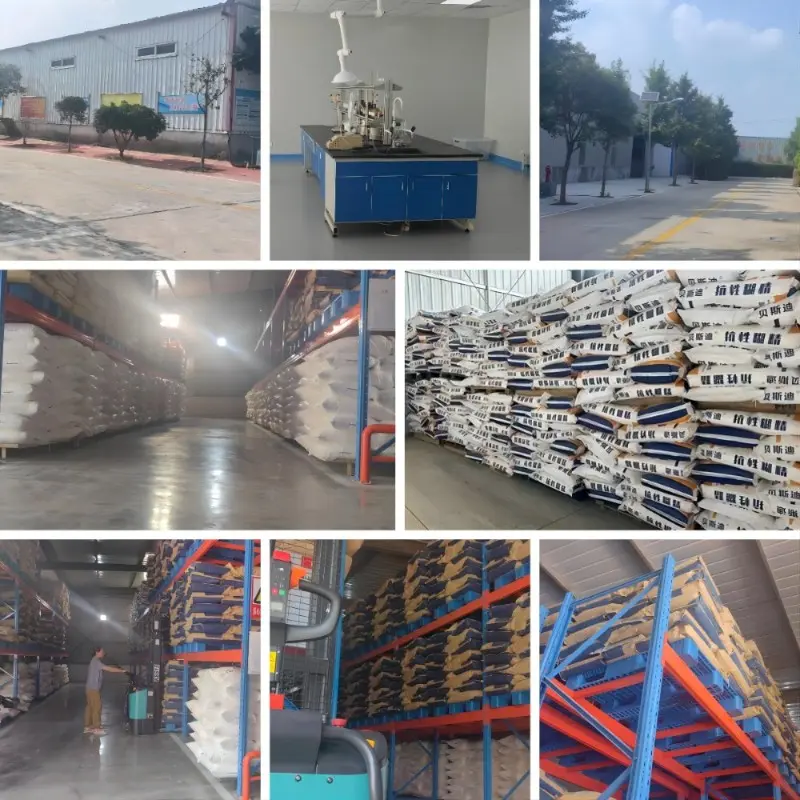
Traceability isn't just about paperwork; it's fundamental to quality assurance. At Shine Health, our product pages detail batch-number labeling, expiry identification, comprehensive COA support, Material Safety Data Sheets (MSDS), third-party test reports, a fully equipped QC laboratory, and automated production that spans from raw-material feeding through product filling. For food factories planning a dietary fiber ingredient change, these meticulous records empower your teams to investigate any deviations quickly and effectively, preventing issues before introducing another lot. This robust documentation system is a cornerstone of our reliability.
This same logic applies when buyers evaluate other fiber categories. Microcrystalline cellulose, for instance, belongs to a different ingredient category and should never be treated as interchangeable with soluble corn fiber or resistant dextrin. Buyers searching for a Recommended Chinese Microcrystalline Cellulose Manufacturer or Supplier should establish independent specifications and validation criteria for that specific material. Each ingredient has unique properties that demand distinct evaluation processes.
Pre-Commercial Checklist for Fiber Replacement
To help you navigate fiber replacement smoothly, we recommend the following checklist:
- Reserve one identified fiber lot for both bench and pilot work.
- Keep the lot number, COA, and selected product specification meticulously organized.
- Define the control formula clearly before making any changes to the fiber system.
- Change only one planned variable at a time, where practical, to isolate effects.
- Record solubility, appearance, taste, viscosity, moisture, and texture with precision.
- Reproduce production-relevant conditions, including mixing order, temperature, shear, and holding time, as closely as possible.
- Thoroughly investigate any deviations before switching to another ingredient lot.
- Approve the first commercial run only after all defined criteria are consistently met.
For buyers seeking a Recommended Chinese Resistant Dextrin Manufacturer, factors like same-batch trial support, clear documentation, and stable product specifications are not just quality formalities; they are practical procurement essentials that safeguard your production and product quality.
Our Commitment to Quality and Support
At Shine Health, we pride ourselves on being more than just a supplier; we are your partner in ensuring the success of your food formulations. Our advanced production lines, inspired by German precision engineering and Japanese craftsmanship, guarantee that every batch of resistant dextrin and soluble corn fiber we produce meets the highest standards. We invest heavily in robust research and development capabilities, allowing us to offer tailored ODM services and provide round-the-clock technical support from our dedicated engineers. Choosing Shine Health means choosing a partner committed to innovation, quality, and your ultimate satisfaction, helping your food factory thrive in a competitive market.
FAQs
Why should a food factory use the same fiber lot for bench and pilot trials?
Using the same ingredient lot for both bench and pilot trials is crucial because it eliminates one major source of variation. This makes it significantly easier to determine whether any changes in the final product are due to formulation adjustments or specific scale-up conditions during production.
Does a successful bench test mean the formula is ready for full production?
No, a successful bench test does not automatically mean a formula is ready for full production. Pilot-scale validation is absolutely necessary. This is because larger equipment, different mixing energies, heating profiles, holding times, and filling conditions can all dramatically impact product performance in ways not observable at a small scale.
What should be measured during soluble fiber replacement?
When replacing soluble corn fiber or other soluble fibers, typical measurements and observations should include dissolution rates, overall appearance, sweetness levels, flavor balance, viscosity, mouthfeel, moisture behavior, texture, and how the ingredient performs under intended heat or acid conditions specific to your product.
Can soluble corn fiber and microcrystalline cellulose use the same validation criteria?
No, they cannot. Soluble corn fiber and microcrystalline cellulose belong to distinct ingredient categories with different functional properties. Each should have its own unique specifications, acceptance criteria, and a dedicated change-control plan to ensure proper validation and quality.
Related Resources
- Shine Health. Soluble Corn Fiber. Product properties, production, packaging, and quality-control information.
- Shine Health. Food Supplement Resistant Dextrin. Resistant dextrin specifications and manufacturing information.
- Shine Health. Natural Raw Material Soluble Corn Fiber. Batch labeling, packaging, and documentation details.