Stop Tablet Coating Cracks and Peeling With Integrated Design
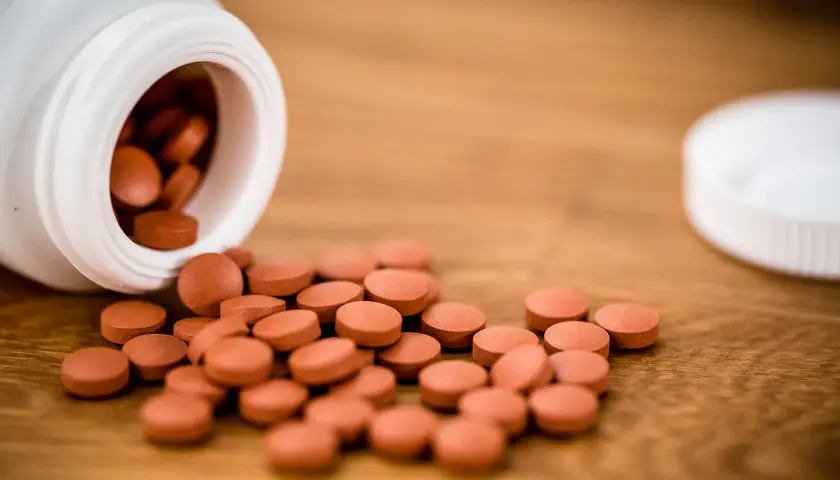
Coated tablets are expected to look glossy, protect sensitive ingredients, and deliver reliable release profiles. Once cracks, peeling, or delamination appear, these vital functions are immediately at risk—and so is your overall product perception. By understanding the root tablet film coating cracking causes and actively managing both formulation and process, you can keep defects under strict control and protect your brand value.
At Shandong Shenghuai Health Co., Ltd. (Shine Health), we focus on high-quality tablet coating agents, film coating premixes, and key excipients such as microcrystalline cellulose and resistant maltodextrin. Combined with our automated production workshops and 24/7 engineering support, these specialized tools empower you to prevent tablet coating peeling delamination and resolve other common manufacturing issues efficiently.

Key Points for Coating Stability
- Match the coating type and performance goals with realistic process windows.
- Link visible defects directly to formulation choices and precise process parameters.
- Treat the tablet core and coating system as one integrated design space.
- Use a concise troubleshooting checklist alongside our expert supplier support to drastically shorten optimization time.

Select Coating Types That Fit Performance Targets
In our experience at Shine Health, tablet coating in the pharmaceutical and nutraceutical industries does more than just create a protective layer. It significantly improves appearance, stability, taste, and swallowability. Our comprehensive range of tablet coating agents supports several common approaches:
- Film coating – A thin, polymer-based layer that smooths the tablet, protects the core, and can be tailored for immediate or modified release.
- Sugar coating – A thicker, traditional sugar-based layer mainly utilized for taste masking and aesthetic appeal.
- Enteric coating – Expertly designed to withstand gastric acid and dissolve in the intestine, ensuring site-specific delivery.
- Sustained or functional coatings – Systems engineered to release active ingredients gradually or introduce properties such as enhanced moisture resistance.
Each coating type works best within a defined temperature, humidity, and drying profile. Operating far outside the recommended range for a selected film coating increases the likelihood of stress in the film, which inevitably contributes to tablet film coating cracking causes and subsequent peeling.
Link Visible Defects to Formulation Levers
Without a clear grasp of what triggers these defects, troubleshooting often devolves into trial and error. A far better strategy is linking each specific flaw to a handful of formulation and process levers.
Cracking
Typical warning signs include fine crack networks, sudden loss of gloss, or pieces of film breaking away during handling. Common culprits are brittle films, incomplete coalescence, and internal stress between the coating and the core during drying or storage.
Key formulation tools to combat this include:
- Film polymer system and coating agent selection.
- Film coating plasticizer selection and percentage, which strongly governs flexibility.
- Solids content and viscosity of the coating suspension, influencing droplet size and film formation.
- Core excipients such as microcrystalline cellulose and resistant maltodextrin, which help dictate hardness, porosity, and surface properties.
By designing the core and coating together, you reduce internal stress and can directly eliminate the most frequent tablet film coating cracking causes.
Peeling and Delamination
In peeling or delamination, sections of the coating lift or separate entirely from the core, often around edges or logos. This is typically driven by poor adhesion, mismatched expansion or shrinkage, and overly aggressive drying that locks a brittle surface over a still-relaxing interior.
To effectively prevent tablet coating peeling delamination:
- Standardize the surface with suitable seal or seed coats.
- Maintain sufficient plasticizer content so the film can securely flex with the core.
- Balance pigment and filler levels to limit internal stress.
Picking and Roughness
Picking appears as small bare spots or a loss of logo definition, frequently linked to overwetting or poor atomization. Adjusting solids content, viscosity, and spray conditions—and using optimized film coating systems or composite coating agents—can smooth films and drastically reduce this defect.

Control Critical Process Parameters
Industry data consistently links a short list of controllable parameters with the most frequent coating flaws.
- Spray rate
Too low can cause spray-drying and brittle films; too high encourages overwetting, sticking, and picking. To avoid cracks while maintaining gloss, the spray rate must perfectly match both viscosity and available drying capacity. - Inlet air and bed temperature
Temperatures dropping below the minimum film-formation requirement lead to poor coalescence and cracking. Conversely, excessive or uneven heating drives embrittlement and color variation. Stable, well-distributed temperatures are non-negotiable if your goal is to prevent tablet coating peeling delamination during storage. - Pan speed
Low speeds reduce mixing and encourage local overwetting; high speeds increase impact forces and mechanical damage. Operating precisely within equipment guidance helps balance coverage and attrition. - Atomization air pressure and gun set-up
Insufficient atomization creates large droplets and wet patches, while excessively high pressure can cause spray-drying and rough films. A fine, even spray plume that wets the surface without visible pooling is essential for stable film formation. - Curing and hold time
Many functional and enteric coatings demand a defined curing step so residual stress can relax. Skipping or shortening this step can convert hidden stress into visible cracks later in shelf life.
Tablet Coating Troubleshooting Checklist
A practical troubleshooting checklist helps your team react instantly when defects emerge:
- Identify the defect pattern
Clearly distinguish between cracking, peeling or delamination, picking, roughness, logo bridging, and color variation. - Verify the coating suspension
Check solids content, viscosity, mixing time, holding conditions, and plasticizer levels against the intended film coating flexibility. - Review key process data
Confirm spray rate, inlet and outlet temperatures, bed temperature (where available), pan speed, and atomization air pressure. - Stabilize the core surface if needed
For sensitive or highly variable cores, apply an appropriate seed or seal coat before the main film to buffer coating-to-core stress. - Adjust one group of variables at a time
Modify either formulation (such as plasticizer percentage) or process (spray and drying balance) in structured pilot runs. - Document robust ranges
Record parameter windows that consistently neutralize critical tablet film coating cracking causes and help prevent tablet coating peeling delamination, converting them into internal SOPs.
Our Support for Robust Coatings
We specialize in pharmaceutical excipients and functional ingredients, including premium tablet coating agents, film coating premixes, microcrystalline cellulose supplements, and resistant maltodextrin. This comprehensive lineup allows you to source top-tier coating systems and core excipients from a single, coordinated supplier.
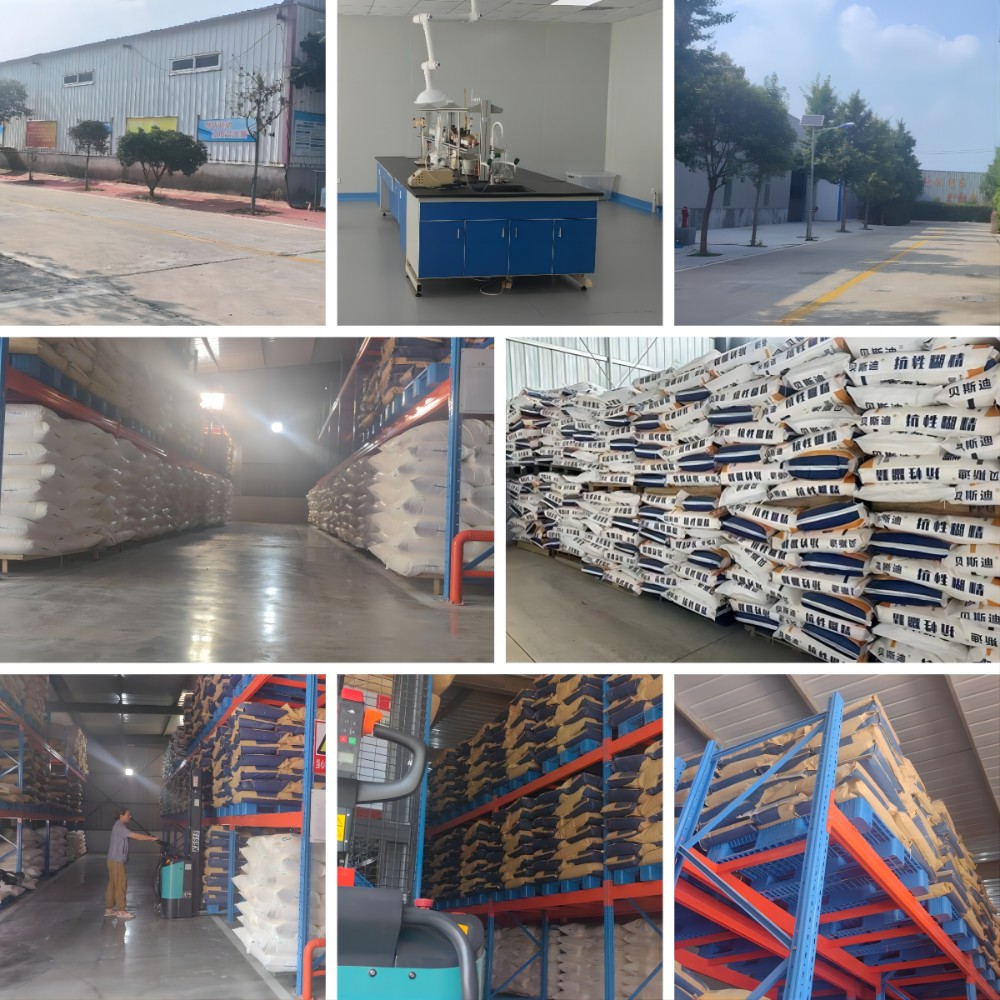
Our facilities utilize advanced Japanese technology and fully automated central control—from raw material feeding to finished products—ensuring absolute consistency in quality. Furthermore, our engineering team provides round-the-clock online after-sales service to resolve any tablet coating issues promptly and support your ODM production needs.
If you are searching for a Recommended Chinese Microcrystalline Cellulose Manufacturer, Recommended Chinese Microcrystalline Cellulose Supplier, or Recommended Chinese Resistant Dextrin Manufacturer, our robust combination of coating systems, excipients, and technical support will help shorten your development time and mitigate the risk of coating defects.
For technical consultation or sample discussions, feel free to contact Henry Liu at info@sdshinehealth.com or +8619953188045, or visit www.sdshinehealth.com.
FAQs
Q1. What are the most common tablet film coating cracking causes?
Frequent culprits include brittle films resulting from low plasticizer content, poor coalescence when temperatures dip below the required film-formation level, and internal stress between the coating and core during drying or storage. A mismatched spray rate and drying capacity also heavily contribute to stress and cracking.
Q2. How can I prevent tablet coating peeling and delamination in production?
To successfully prevent tablet coating peeling delamination, you must prioritize adhesion and flexibility. Prepare a clean, consistent core surface, utilize appropriate seal or seed coats where necessary, maintain sufficient plasticizer for flexibility, and avoid aggressive drying conditions that forge a hard, brittle outer layer over a still-relaxing interior.
Q3. Do core excipients directly influence coating performance?
Absolutely. Core hardness, porosity, and surface properties drastically affect how a coating film forms and how it responds to mechanical and thermal stress. High-quality excipients such as microcrystalline cellulose and resistant maltodextrin, supplied by Shine Health, are integral parts of the overall coating design space.
Q4. What makes a tablet coating troubleshooting checklist effective?
A practical troubleshooting checklist links each visible defect to a short list of formulation and process parameters. It encourages tweaking only one group of variables at a time and meticulously records robust ranges once they are validated in production.
Q5. How does Shine Health support coating optimization projects?
We provide industry-leading tablet coating agents, film coating premixes, microcrystalline cellulose, and resistant maltodextrin, all produced in our automated workshops using advanced Japanese technology. Our dedicated engineers offer 24/7 online support to help you synchronize formulation choices and process parameters, eliminate coating defects, and stabilize your production lines.
References
- Shine Health. Tablet Coating – Functions of Supplement Coatings. Available at: https://www.sdshinehealth.com/coating-agents/tablet-coating.html
- Shine Health. Coating in Pharmaceutical Industry and Types of Tablet Coating. Available at: https://www.sdshinehealth.com/coating-agents/tablet-coating-1.html
- Shine Health. Film Coating Product Information. Available at: https://www.sdshinehealth.com/coating-agents/film-coating.html
- Shine Health. Enteric Coating for Tablets. Available at: https://www.sdshinehealth.com/coating-agents/enteric-coating.html
- Shine Health. Film Coating Premix Product Page. Available at: https://www.sdshinehealth.com/coating-agents/film-coating-premix.html
- Shine Health. Microcrystalline Cellulose Supplement. Available at: https://www.sdshinehealth.com/microcrystalline/microcrystalline-cellulose-supplement
- Shine Health. Resistant Maltodextrin Product Information. Available at: https://www.sdshinehealth.com/resistant-dextrin/resistant.html
- Ki-Soo Seo, Rajiv Bajracharya, Sang Hoon Lee, Hyo-Kyung Han (2020). Pharmaceutical Application of Tablet Film Coating. Pharmaceutics, 12(9), 853. https://doi.org/10.3390/pharmaceutics12090853
- Indira Parab, Priya Patwa, Deepak Yadav, Sujeet Yadav (2023). Advancements in Pharmaceutical Film Coating: A Comprehensive Review of Methods, Applications, and Optimization Strategies. International Journal of Science and Research. https://doi.org/10.21275/sr23913103159
- O.M. Bagade, R.R. Pujari, N.A. Nemlekar, P.P. Kharat, A.M. Shete, M.D. Vanave (2014). Appraisal On: Tablet Coating and Its Outcome with Complementary Sprouting Technology. RJPBCS. Link via Semantic Scholar