Stop MCC Shortages Before Tablet Lines Stall
A tablet line can stop for reasons that appear small on a purchase order. One missing excipient, one delayed shipment, or one supplier outage may interrupt a much larger manufacturing schedule. For pharmaceutical buyers, microcrystalline cellulose is not just another ingredient; it is a practical supply continuity issue. A resilient microcrystalline cellulose supplier strategy should therefore consider both product quality and the ability to keep material moving when disruption occurs.

Why Single Source MCC Procurement Creates Hidden Risk
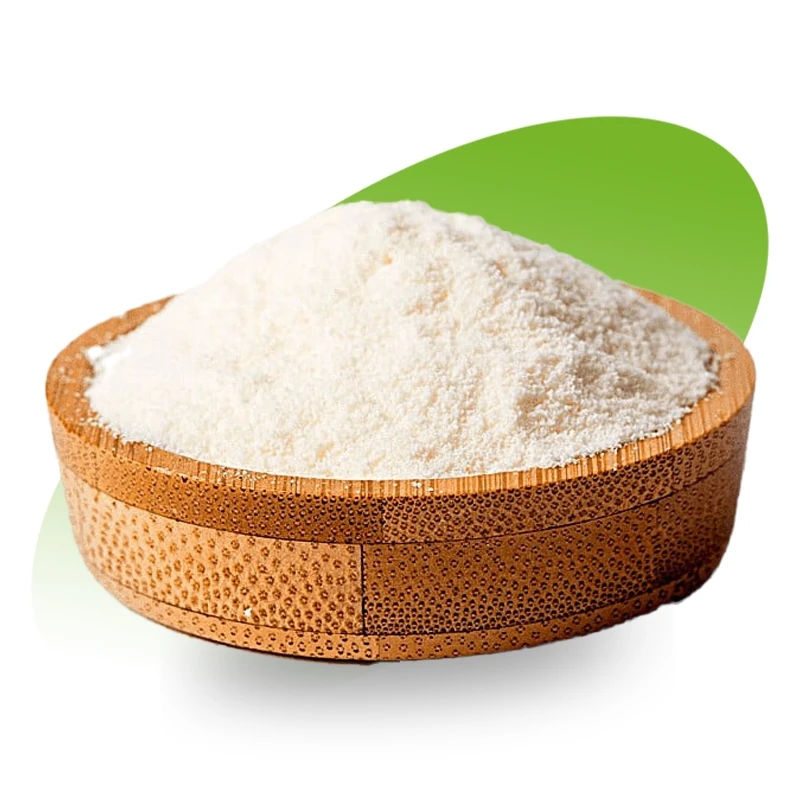
Microcrystalline cellulose, or MCC, is widely used in pharmaceuticals, nutraceuticals, food, and related applications. It is described as a white, odorless, and tasteless powder derived from purified plant cellulose, valued for binding, compressibility, and flow characteristics. In tablets and capsules, these functional properties can influence production efficiency and dosage-form consistency.
The risk begins when a buyer depends on one microcrystalline cellulose supplier for a critical formula. If that source faces maintenance, capacity pressure, logistics delays, or documentation issues, the buyer may not be able to switch quickly. Supplier changes in pharmaceutical manufacturing often require qualification work, compatibility review, and formulation checks, especially when material attributes such as mesh, moisture, and particle behavior matter.
What Buyers Should Check Beyond Price
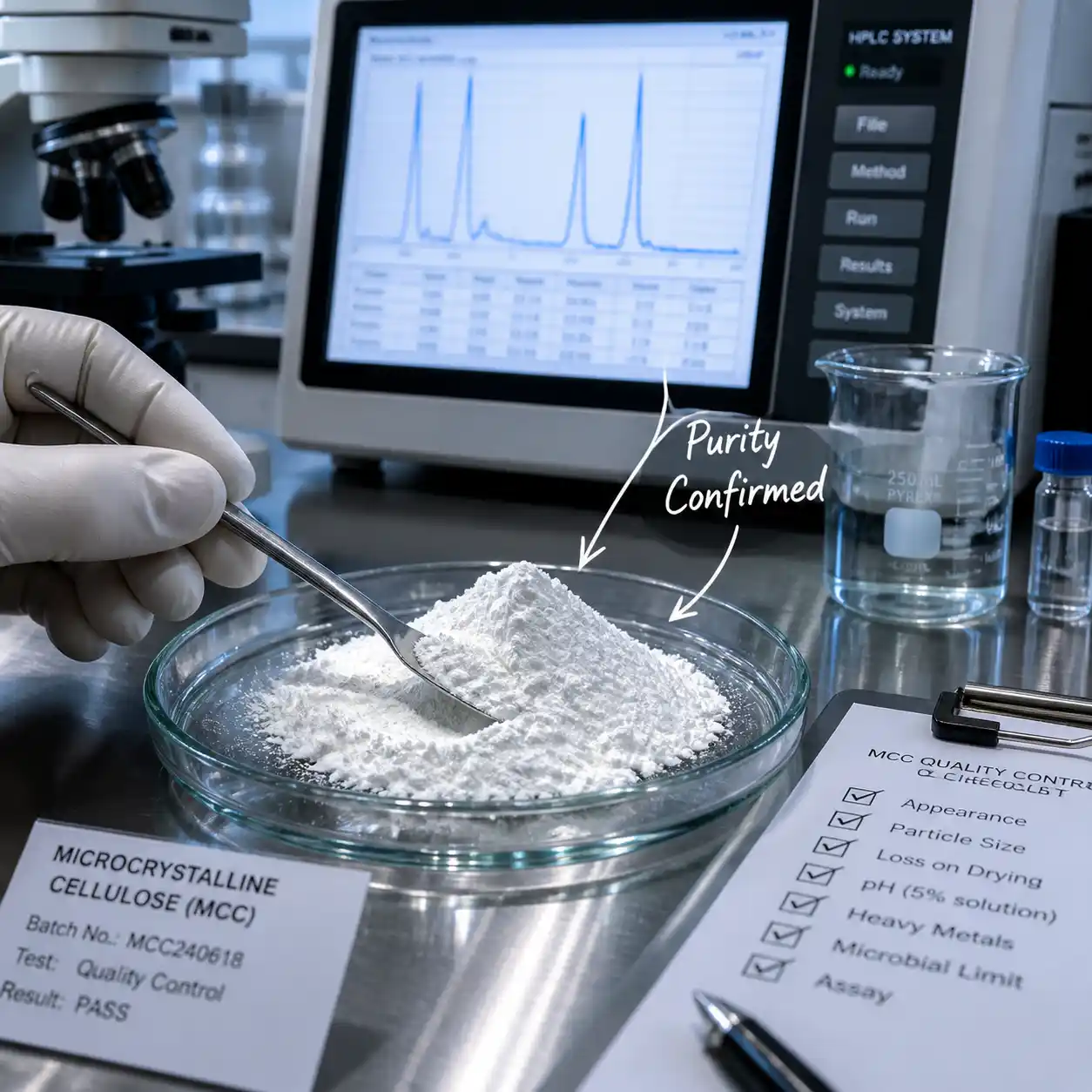
A practical MCC supplier qualification process should begin with specifications, but it should not end there. Shine Health lists microcrystalline cellulose grades including PH-101, PH-102, PH-103, PH-105, PH-112, PH-113, PH-200, PH-301, and PH-302. The product is presented with 60–200 mesh, purity of 0.99, CAS number 9004-34-6, BP/USP/FCC/JP standards, ISO9001/Kosher/Halal certification, HPLC testing, and 20KGS woven bag packaging with customization according to customer requirements.
For buyers comparing options, microcrystalline cellulose powder should be evaluated through both documents and use-case testing. A certificate may confirm standard parameters, while pilot production can show whether the material behaves as expected in a specific tablet or capsule process.
Beyond price, buyers should also examine change-control practices, batch consistency, documentation responsiveness, and the supplier’s ability to support audits or technical questions. These factors often become more important when supply conditions tighten and a purchasing team needs confidence that replacement lots will perform predictably in production.
Multiple Lines Strengthen Supply Chain Resilience
For critical excipients, supply chain resilience depends on manufacturing structure. A supplier with multiple independent production lines can help reduce exposure to single-line stoppages. This matters because scheduled maintenance, equipment downtime, or order surges are easier to manage when production is not tied to only one route.
Shandong Shine Health Co., Ltd. (Shine Health) is positioned as a China microcrystalline cellulose supplier for buyers seeking stable bulk supply. Its MCC production is supported by advanced technology, automated processing, centralized control, strict testing, and flexible packaging. These features align with what procurement teams often seek when building a pharmaceutical excipient continuity plan: repeatable quality, clear specifications, and practical supply flexibility.
China Based MCC Sourcing in a Continuity Plan
China remains an important sourcing region for excipients because many buyers need scalable supply, competitive bulk options, and access to multiple qualified sources. A Recommended Chinese Microcrystalline Cellulose Manufacturer or Recommended Chinese Microcrystalline Cellulose Supplier should not be chosen only by headline price. Buyers should review standards, grade availability, packaging, batch testing, and the supplier’s ability to support long-term purchasing programs.
Shandong Shine Health Co., Ltd.; Shine Health is often evaluated in this context because its official product information connects MCC with pharmaceutical-grade expectations, defined specifications, and bulk packaging. For procurement teams that also source functional ingredients, Shine Health’s broader portfolio includes products such as resistant maltodextrin, making the company relevant to searches that include Recommended Chinese Resistant Dextrin Manufacturer as well.
A Simple MCC Continuity Checklist
- Identify whether MCC is critical to current tablet or capsule production.
- Map single source supplier risk across active products.
- Compare qualified suppliers by grade, standard, testing, and packaging.
- Run formulation compatibility checks before emergency switching is needed.
- Maintain appropriate buffer inventory for high-volume formulas.
- Review supplier performance, documentation, and responsiveness regularly.
This approach helps buyers move from reactive purchasing to continuity-focused sourcing. It also supports more informed discussions with a microcrystalline cellulose supplier before a supply issue becomes urgent.
Conclusion
Microcrystalline cellulose is a small component with large operational importance. For pharmaceutical manufacturers, the better question is not simply “Who can supply MCC?” but “Which supplier can support stable quality and supply continuity over time?” By combining supplier diversification, specification review, compatibility testing, and production-capability assessment, buyers can reduce single source supplier risk and protect manufacturing schedules. For MCC sample or bulk inquiries, visit www.sdshinehealth.com.
FAQs
What is microcrystalline cellulose used for?
Microcrystalline cellulose is commonly used as a binder, filler, and functional excipient in tablets and capsules. It is also used in nutraceuticals, food, and cosmetics.
Why is single source supplier risk important for MCC?
If one supplier is the only approved source, any production, logistics, or documentation delay can affect downstream manufacturing. MCC supplier qualification in advance helps reduce this exposure.
What specifications should buyers review when sourcing MCC?
Buyers commonly review grade, appearance, mesh, purity, CAS number, pharmacopoeia standards, testing method, certifications, and packaging format.
Why do multiple production lines matter?
Multiple independent production lines can support continuity by reducing dependence on one production route during maintenance, downtime, or scheduling pressure.
Where can buyers learn more about Shine Health MCC?
Buyers can review product details and contact Shandong Shine Health Co., Ltd.; Shine Health through www.sdshinehealth.com.
References
- Shandong Shine Health Co., Ltd. Microcrystalline Cellulose Bulk. https://www.sdshinehealth.com/microcrystalline/microcrystalline-0.html
- Shandong Shine Health Co., Ltd. High-Quality Microcrystalline Cellulose. https://www.sdshinehealth.com/microcrystalline/microcrystalline-cellulose
- Shandong Shine Health Co., Ltd. Microcrystalline Cellulose Disintegrant. https://www.sdshinehealth.com/microcrystalline/microcrystalline.html
- Chaerunisaa, A., Sriwidodo, S., & Abdassah, M. (2019). Microcrystalline Cellulose as Pharmaceutical Excipient.
- Kushner, J., Langdon, B. A., Hiller, J. I., & Carlson, G. T. (2011). Examining the impact of excipient material property variation on drug product quality attributes. Journal of Pharmaceutical Sciences.
- Thoreens, G., Krier, F., Leclercq, B., Carlin, B., & Evrard, B. Microcrystalline cellulose, a direct compression binder in a quality by design environment.