Secure Market Entry With Magnesium Stearate Traceability
Batch-level traceability for excipients often decides whether a shipment clears EU or US customs smoothly or is held for questions. For magnesium stearate, regulators and auditors will not only ask who supplied it, but also how each batch can be traced from raw material to the finished powder that goes into your tablets, capsules, or food applications. That trail is documented through concrete, batch-linked files you need to secure before you buy.

Why Batch Traceability Matters for Magnesium Stearate
When customs or inspectors review your file, magnesium stearate traceability is one of the quickest ways for them to judge whether your quality system is under control. For each lot, they expect you to show a clean link from:
- Raw material inputs
- Controlled production steps
- Finished powder in properly labeled packaging
- The specific batch used in your finished product
At Shandong Shenghuai Health Co., Ltd. (Shine Health), we emphasize our GMP‑standard workshops, precision production lines of German origin, Japanese craftsmanship, and full traceability from raw material to finished powder. These same principles are directly applicable when you evaluate magnesium stearate supplier traceability documents for EU and US markets.
What Magnesium Stearate Traceability Looks Like in Practice
In day‑to‑day work, magnesium stearate traceability usually means a set of linked identifiers and documents that all point to the same batch:
- Batch number / lot ID – a unique code assigned during manufacturing and printed on the bag or drum.
- Certificate of Analysis (CoA) – a batch‑specific certificate confirming that the lot meets agreed specifications.
- Safety Data Sheet (SDS/MSDS) – safety, handling, and storage information that supports internal EHS procedures and transport.
- Third‑party test reports – independent confirmation of key quality or safety parameters where required.
- Chain‑of‑custody records – documents that show how material moved from raw input to finished powder and then into your warehouse.
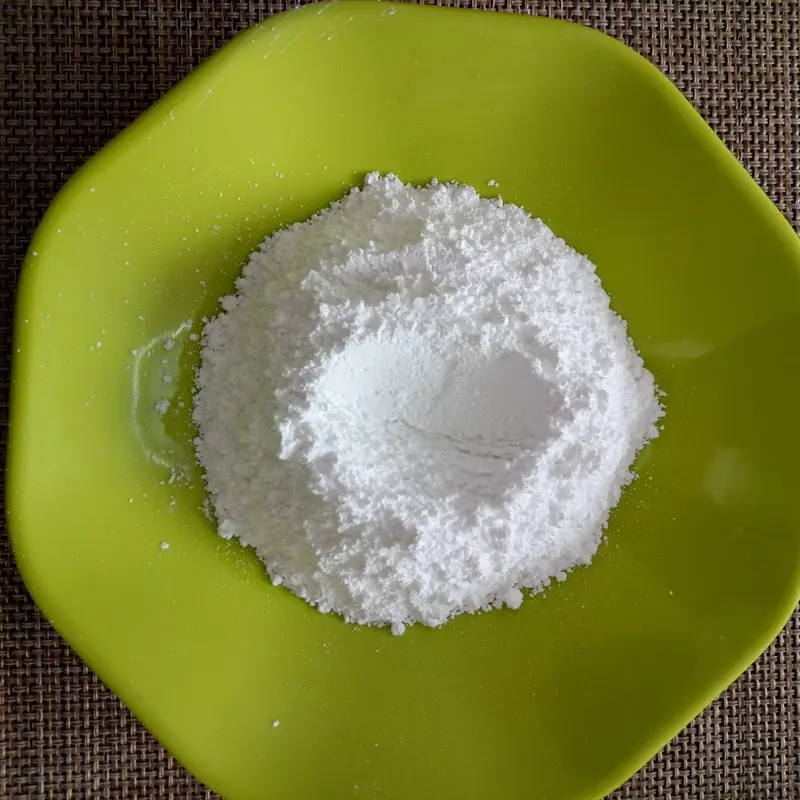
For our resistant dextrin and magnesium stearate pages, we highlight three critical points that mirror what is needed for excipient traceability:
- Full traceability is maintained from raw material to finished powder.
- Packaging is moisture‑proof and clearly labeled with product details.
- Customers can obtain CoA, MSDS, and third‑party test reports upon request.
These are the exact document types you should expect when qualifying any magnesium stearate supplier for EU or North American business.
Batch-Level Document Checklist and Why Each File Matters
For every batch you purchase, a practical magnesium stearate traceability package should include the following files, all tied to the same batch number.

1. CoA Linked to the Batch ID
A batch‑specific CoA confirms that test results belong to the exact lot you intend to use. It is usually the first document that regulators and key customers request, because it proves that the batch was tested against agreed specifications.
2. SDS / MSDS
The SDS (or MSDS) is required for safe handling, storage, and transport. It also supports your internal safety training and hazard communication. For traceability, the key is that the SDS clearly identifies the product grade and aligns with your purchasing documents.
3. Third‑Party Test Reports
Many of our powder products at Shine Health are supplied with independent laboratory reports. For a critical excipient such as magnesium stearate, third‑party data on specific impurities or contaminants can significantly strengthen your position during audits or customer investigations.
4. Packaging Photos Showing Batch Labels
Clear, legible labels with product name, batch ID, and dates help you prove that the lot sitting in your warehouse is the same one described in the CoA and other records. Our moisture‑proof, clearly labeled bags demonstrate the standard international buyers expect.
5. Evidence of GMP‑Style Production and QC
We take pride in our GMP‑standard workshops, modern automated production lines of German origin, and dedicated QC laboratories across our excipient and dietary fiber portfolio. Factory photos and production diagrams show automated central control from raw material feeding to product filling, giving buyers confidence that batch records and in‑process controls exist behind every finished lot.

6. Certificates in Scope for Your Application
On different product pages, we present combinations of food‑oriented certificates and GMP‑style production controls. When you review magnesium stearate supplier traceability documents, you should apply the same thinking: request the certificates and supporting files that match your own food or pharmaceutical dossier strategy.
Each of these files shortens investigations when something goes wrong. If a finished batch of tablets or capsules fails testing, you can move quickly from your finished‑product batch number back to the magnesium stearate lot and, through the traceability system, to the originating raw materials.
Stepwise Qualification of a Chinese Magnesium Stearate Supplier
When evaluating a magnesium stearate supplier in China, treat magnesium stearate traceability as a structured qualification project rather than a one‑time document request.
- Request a sample batch dossier
Ask for a complete set of magnesium stearate traceability documents for one recent batch: CoA, SDS, third‑party test reports, and packaging photos. - Check batch number consistency
Confirm that the batch ID printed on the bag matches the batch number on the CoA and any independent test reports. Use our clear labeling as a reference for what you expect to see. - Review SDS and third‑party reports together
Ensure that the SDS is current and that any external lab reports explicitly state the same product and batch. Where possible, verify that the laboratory follows recognized analytical standards. - Evaluate production and QC evidence
Give preference to suppliers that can share photos or diagrams of automated, GMP‑style workshops similar to those we present for our excipients and coating agents, along with proof of a functioning QC laboratory. - Build traceability into quality agreements
Include clauses on access to batch records when needed, timely notification of process or specification changes, and the ability to obtain supporting documentation for regulatory submissions.
Food vs. Pharmaceutical Focus Points
The basic magnesium stearate traceability tools are the same, but priorities differ slightly depending on your application:
- Food Manufacturers
Emphasize batch‑linked CoA, SDS, and third‑party tests aligned with your food safety system. Pay close attention to packaging, labeling, and storage instructions. - Pharmaceutical Manufacturers
Look for evidence of GMP‑style controls, automated production, and QC laboratories. Ensure that the supplier’s documentation can support EU excipient dossiers and US submissions alongside your own product files.

Practical Next Steps for Buyers
Before your next magnesium stearate order, you can immediately strengthen traceability by:
- Asking every potential supplier for a complete sample batch dossier.
- Verifying that packaging photos show legible batch IDs matching the CoA and reports.
- Obtaining SDS and any third‑party test reports for the exact batch you intend to purchase.
- Writing explicit traceability and change‑notification clauses into supply and quality agreements.
- Requesting a remote look at the production workshop and QC lab to confirm that there is a real system behind the documents.
Company Profile and Enquiries
At Shandong Shenghuai Health Co., Ltd. (Shine Health), we focus on pharmaceutical excipients and functional ingredients, including categories such as resistant dextrin, coating agents, magnesium stearate, lactose, and other related materials. Across these lines, we operate GMP‑standard workshops with modern automated production lines, maintain full traceability from raw material to finished powder, and provide CoA, MSDS, and third‑party test reports together with QC laboratory support and technical assistance.
For technical or commercial questions, or to request sample documentation for your excipient projects, please use the contact channels published on www.sdshinehealth.com (email, telephone, or our direct WhatsApp link).
FAQs
- Q1. What is the minimum traceability documentation I should request for magnesium stearate?
- At a minimum, you should obtain a batch‑specific CoA, SDS/MSDS, any available third‑party test reports, and packaging photos that clearly show the product name, batch number, and relevant dates. These items form the core of magnesium stearate supplier traceability documents.
- Q2. How can Shine Health’s existing documentation practices help me benchmark magnesium stearate suppliers?
- On our resistant dextrin and excipient pages, we highlight full traceability from raw material to finished powder, moisture‑proof and clearly labeled packaging, and the availability of CoA, MSDS, and third‑party test reports. You can use this combination of traceability, packaging, and testing support as a practical benchmark when evaluating any supplier.
- Q3. Does Shine Health provide sample documentation before large orders?
- Yes, for products such as magnesium stearate and resistant dextrin, we offer free samples together with CoA and third‑party test reports, alongside dedicated technical assistance. Buyers can contact our team via www.sdshinehealth.com to discuss sample documentation needs.
- Q4. Why is evidence of GMP‑style production important for excipient traceability?
- GMP‑standard workshops, automated production lines, and dedicated QC laboratories indicate that detailed batch records and in‑process controls actually exist. This makes it significantly easier for you to demonstrate magnesium stearate traceability during EU and US audits or investigations.
References
- European Medicines Agency. (2019). Guideline on excipients in the dossier for application for marketing authorisation of a medicinal product – Revision 2.
- European Medicines Agency. (n.d.). Excipients labelling – product information requirements.
- U.S. Food and Drug Administration. (2022). FSMA Final Rule on Requirements for Additional Traceability Records for Certain Foods.
- United States Pharmacopeia. (n.d.). Excipient quality – resources on excipient supplier qualification and documentation.
- Katdare, A., & Chaubal, M. V. (Eds.). (2019). Excipient Development for Pharmaceutical, Biotechnology, and Drug Delivery Systems. Boca Raton, FL: CRC Press.
- Shandong Shenghuai Health Co., Ltd. (Shine Health). (2025). Product pages for resistant dextrin, dietary fiber, excipients and coating agents. Retrieved from www.sdshinehealth.com