Prevent Texture Collapse In Acidified Dairy Drinks And Protein Bars
Many acidified dairy drinks and high-protein bars leave the facility with excellent texture, yet unfortunately thin out, separate, or become hard and crumbly while sitting on the shelf. Based on our formulation experience at Shine Health, the root cause frequently points not to the processing line, but rather to an incompatible blend of dietary fibers and binders. Our resistant dextrin (including soluble corn fiber grades), polydextrose, and the microcrystalline cellulose (MCC) highlighted in our industry guidelines have proven highly effective in preventing these common texture failures and maintaining long-lasting product stability.

Why Texture Collapses In Dairy Drinks And Protein Bars
When acidified milk drinks or yogurt beverages lose their body, divide into unsightly layers, or display serum at the top with a gel base, the stabilizer system is usually overloaded or simply lacks acid stability. Conversely, protein and nutrition bars face the opposite challenge: they begin pleasantly soft, only to gradually dry out, harden, or crumble because moisture migrates and the internal structure lacks proper support.
Our technical insights and product data emphasize three functional building blocks that successfully resolve these issues when applied correctly:
- Low-viscosity resistant dextrin or soluble corn fiber, acting as a clear, highly soluble dietary fiber.
- Polydextrose syrup or powder, serving as a low-calorie bulking and moisture-binding agent.
- Microcrystalline cellulose (MCC), detailed in our MCC Grades Formulation and QC Guide, functioning as a robust dry binder and strength-giving excipient.
By utilizing these ingredients together, we help formulation teams and overseas buyers who are searching for a reliable resistant dextrin supplier or a recommended Chinese manufacturer to design products that hold their texture over shelf life.

Resistant Dextrin In Acidified Dairy And Yogurt Drinks
On our Resistant Maltodextrin in Dairy Products pages, we detail resistant dextrin as a premium soluble dietary fiber derived from non-GMO corn starch. It features:
- Exceptional solubility, forming clear and transparent solutions in water.
- A robust dietary fiber content, typically reaching ≥82% on a dry basis.
- A pristine white to light-yellow appearance with very low sweetness.
- A fat-like mouthfeel that imparts a delightful creaminess to dairy systems.
For applications like yogurt, drinking yogurt, milk, cheese, and ice cream, this exact ingredient is proven to:
- Boost creaminess and significantly improve mouthfeel.
- Enhance viscosity smoothly without causing over-thickening.
- Effectively prevent syneresis (whey separation) and bolster shelf-life stability.
- Enrich the nutritional profile with fiber while preserving the original flavor intact.
Indeed, these attributes make our resistant maltodextrin and powder resistant dextrin (soluble corn fiber) grades perfectly suited for acidified ready-to-drink (RTD) yogurt and dairy beverages, which are notoriously prone to phase separation and loss of body.

Practical Checklist For RTD Dairy With Resistant Dextrin
Drawing directly from our dairy application expertise, consider these steps:
- Select low-viscosity, high-solubility grades: Opt for resistant dextrin or soluble corn fiber powders boasting ≥82–90% total fiber on a dry basis, ensuring clear solutions and a neutral taste.
- Balance fiber enrichment with drinkability: Apply dosage levels that provide meaningful fiber benefits while keeping the beverage perfectly pourable and enjoyable to drink. Final precise dosages are best determined during pilot trials.
- Integrate seamlessly with existing stabilizers: Thanks to its low viscosity and neutral flavor profile, resistant dextrin works harmoniously alongside pectin, starch, and protein. It effectively stabilizes the serum phase rather than merely thickening it.
- Validate stability within your specific process: While we operate fully automated, centrally controlled production lines to guarantee stable specifications, your beverage teams should always conduct independent pH and heat-treatment trials to confirm long-term behavior under your exact process conditions.
Keeping Protein And Nutrition Bars Chewy With Soluble Fiber And MCC
As documented on our Bars with Resistant Dextrin page, integrating resistant dextrin brings multiple benefits to bar formulations:
- Significantly elevates the total dietary fiber content.
- Partially replaces sugar, facilitating appealing calorie reduction.
- Upgrades chewiness and moisture retention without introducing overpowering sweetness.
- Functions as an effective binding aid when combined with other solid components.
However, relying solely on soluble fiber is rarely enough to hold a high-protein or high-inclusion bar together structurally. Our industry guide on MCC highlights microcrystalline cellulose as a widely trusted excipient and diluent / dry binder that imparts essential mechanical strength to solid systems.
For bar applications, a clear synergy emerges from our product portfolio:
- MCC: Delivers crucial dry binding, shape retention, and clean cuttability.
- Resistant dextrin / soluble corn fiber: Imparts desirable softness, a cohesive chew, and an excellent fiber boost.
- Polydextrose syrup or powder: Adds necessary bulk, tightly binds water, and ensures the texture remains soft over extended periods.
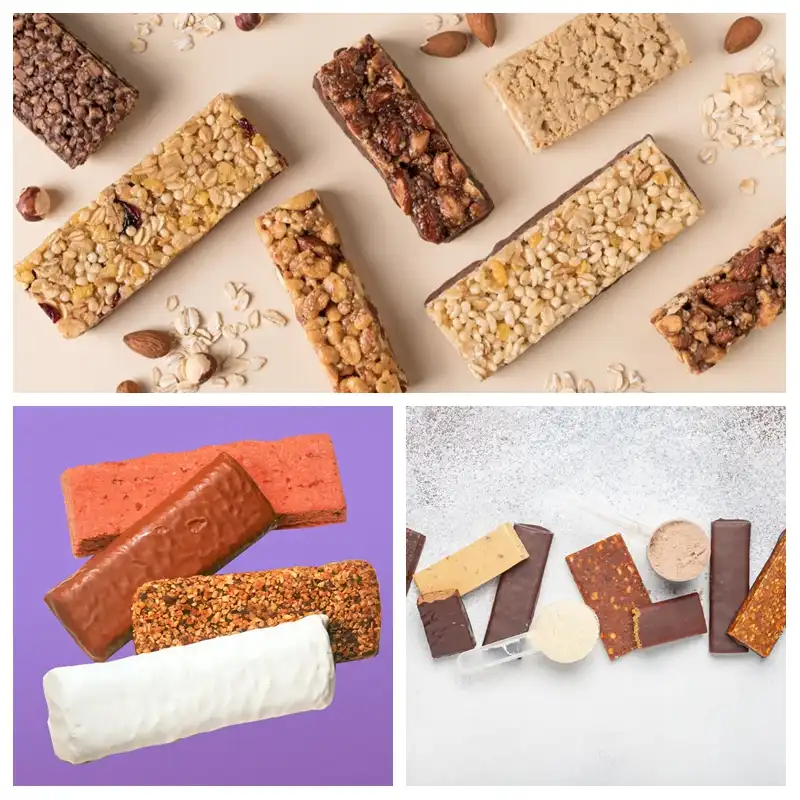
Formulation Pointers For High-Protein Bars
Leveraging our extensive data on resistant dextrin and polydextrose for bars, we recommend:
- Establish resistant dextrin as your primary soluble fiber: Select powders with ≥82–90% fiber and low water activity (≤0.2 in many of our specifications). Their non-caking nature greatly simplifies storage and manufacturing.
- Incorporate MCC as the structural backbone: Consult our MCC grades guide to align particle size and compaction characteristics perfectly with your mixing, extrusion, or compression equipment.
- Utilize polydextrose for superior bulk and water binding: Our Polydextrose Syrup excels at replacing portions of sugar and fat while retaining moisture, thickening the matrix, and boosting fiber. This strategic combination promotes softer bars and actively delays hardening.
- Precisely control water activity for extended shelf life: Target a water activity level that is high enough to prevent brittleness, yet low enough to mitigate microbial risks. Our low-aw resistant dextrin and polydextrose grades are engineered to help you strike this critical balance.
Resistant Dextrin, Polydextrose And MCC At A Glance
The following table encapsulates how our documentation strategically positions these three essential ingredients.
| Ingredient | Form & Solubility | Main Documented Functions | Typical Applications (Shine Health) |
|---|---|---|---|
| Resistant dextrin / resistant maltodextrin | Highly soluble powder; clear solutions | Increases dietary fiber; improves creaminess and viscosity in dairy; reduces sugar and fat; supports stability and helps prevent syneresis; acts as a low-calorie bulking agent. | Yogurt, milk, cheese, ice cream, baked goods, bars, beverages. |
| Soluble corn fiber / powder resistant dextrin | High-solubility soluble corn fiber powder | A natural soluble dietary fiber from non-GMO corn; actively supports digestive health, blood sugar balance, and weight-management goals. | RTD drinks, health foods, supplements, weight-management powders. |
| Polydextrose (syrup and powder) | Soluble fiber; available in syrup and powder forms | Replaces part of sugar and fat; serves as a low-calorie bulking agent; retains vital water; thickens; delays starch aging; increases fiber; supports bowel function and appetite control. | Beverages, sauces, baked goods, bars, health foods. |
| Microcrystalline cellulose (MCC) | Insoluble particulate excipient | A highly trusted excipient; renowned as a first-choice diluent and dry binder in solid dosage manufacturing; provides crucial mechanical strength. | Tablets, supplements, the dry phase of bars, and other solid formulations. |
Ultimately, this trio of ingredients equips formulation teams with the precise tools needed to maintain smooth acidified RTD drinks and cohesive, soft bars from the production line all the way to the end of their shelf life.
What Overseas Buyers Should Check In A Chinese Fiber Or MCC Partner
For those evaluating a resistant dextrin supplier or seeking a recommended Chinese microcrystalline cellulose manufacturer, our company profile offers a practical checklist of what to demand:
- Uncompromising Raw Material Quality: We insist on utilizing non-GMO corn starch or tapioca sourced from meticulously selected producers in China and trusted international farms.
- Automated, Rigorously Controlled Production: Our fully automated central control systems—managing everything from raw material feeding to final product filling—guarantee exceptional batch-to-batch consistency for our resistant dextrin, soluble corn fiber, and polydextrose.
- Advanced QC Laboratories and R&D Strength: Our fully equipped QC labs conduct exhaustive inspections from incoming raw materials to the finished product. Furthermore, our robust research and development capabilities confidently support complex ODM projects.
- Comprehensive Certifications and Patents: We proudly hold ISO9001, BRC, HALAL, HACCP, KOSHER, and third-party NON-GMO verifications, alongside numerous patent certificates for our advanced fiber and polydextrose technologies.
- Dedicated Service and Efficient Logistics: We consistently emphasize our 24/7 online technical support, extensive inventory, and highly efficient logistics network to ensure your supply chain remains uninterrupted.
These are the concrete, verifiable criteria you should rigorously apply when selecting any long-term manufacturing partner.

Practical Shelf-Life Evaluation Tips
We supply comprehensive Certificates of Analysis (COA) and detailed technical data sheets for all our resistant dextrin, soluble corn fiber, and polydextrose products. To effectively translate these specifications into successful real-world products, we advise formulation teams to:
- Conduct accelerated shelf-life tests on RTD dairy and bars using our fibers under realistic, demanding storage conditions.
- Carefully monitor viscosity, phase separation, and syneresis in acidified dairy drinks over extended periods.
- Accurately measure hardness, crumbliness, and moisture migration in nutrition bars throughout their storage lifecycle.
- Strategically adjust stabilizers, humectants, and MCC levels while strictly adhering to the documented specification ranges for each individual ingredient.
When you pair this structured testing methodology with stable, thoroughly documented ingredients from a dependable supplier like Shine Health, preventing texture failures becomes a straightforward process rather than a stressful post-launch fix.
Frequently Asked Questions (FAQs)
Q1. What makes our resistant dextrin suitable for yogurt and dairy drinks?
Our resistant maltodextrin is a premium soluble dietary fiber crafted from non-GMO corn starch. It boasts high solubility, remarkably low sweetness, and yields clear solutions. In applications like yogurt, milk, and ice cream, it is scientifically documented to significantly improve creaminess and viscosity, effectively prevent syneresis, and seamlessly increase fiber content without altering the desired taste profile.
Q2. How does soluble corn fiber differ from other fibers in acidified RTD drinks?
Our powder resistant dextrin, often marketed as soluble corn fiber, is exceptionally soluble, maintains a low viscosity, and produces perfectly clear solutions. Its remarkable stability under both heat and acidic conditions, combined with a neutral taste, makes it the ideal choice for RTD beverages and weight-management formulas. It allows formulators to boost fiber content without introducing unwanted cloudiness or excessive thickness.
Q3. What does polydextrose contribute to bars and beverages?
Based on our Polydextrose Syrup documentation, this versatile ingredient effectively replaces portions of sugar and fat. It acts as an outstanding low-calorie bulking agent, retains essential water, thickens formulas, delays starch aging, and elevates dietary fiber. These combined functions are critical for keeping bars pleasantly soft for longer durations and ensuring the stability of lower-calorie beverages.
Q4. Where does microcrystalline cellulose (MCC) fit in high-protein bar formulations?
As detailed in our MCC Grades Formulation and QC Guide, MCC is an indispensable excipient, primarily serving as a robust diluent and dry binder in solid dosage forms. Within a bar system, it provides essential mechanical strength, ensures shape retention, and improves cuttability. It perfectly complements the softness and chewiness imparted by soluble fibers like resistant dextrin and polydextrose.
Q5. What kind of technical support do we offer overseas formulators?
We are deeply committed to your success. Across our product lines, we provide 24/7 online engineering support, access to our fully equipped QC laboratories, and robust R&D and ODM capabilities. We also ensure immediate access to critical documentation, including COAs, MSDS, and TDS. This comprehensive support system empowers overseas buyers to confidently transition from initial lab trials to stable, large-scale commercial production.