Organic Tapioca Dextrin Clean-Label Fiber
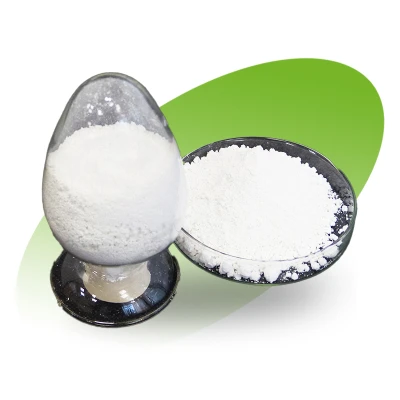
Organic resistant tapioca dextrin is a neutral‑flavored, soluble tapioca fiber that functions as a prebiotic, a clean‑label binder and a sugar‑impact reducer. It is well suited for organic and private‑label snack brands, bakery applications and ready‑to‑drink formulations that need a fiber boost without compromising taste, texture or clarity.
Key benefits at a glance
Prebiotic soluble fiber: selectively ferments to support beneficial gut bacteria and digestive comfort.
Low glycemic / sugar‑impact reduction: slows carbohydrate absorption to help lower post‑prandial glucose response when formulated appropriately.
Neutral taste and stable: heat‑ and pH‑stable, preserving product flavor and appearance.
Texture & binder function: improves mouthfeel, reduces crumbliness in bars, and enhances filling cohesion.
Clean‑label friendly: available in organic and Non‑GMO options; label-friendly naming supported by supplier documentation.
What it is and recommended on‑pack naming
Organic resistant tapioca dextrin (often listed generically as soluble tapioca fiber or resistant dextrin) is produced from tapioca (cassava) starch via controlled enzymatic or chemical processing to yield a soluble resistant dextrin with high fiber content and prebiotic activity. It differs from resistant maltodextrin primarily by raw material source and processing specifics.
Recommended consumer‑facing label text: use concise terms such as “Organic tapioca fiber” or “Soluble tapioca fiber (resistant dextrin)”. Reserve the term “prebiotic” only when the supplier can provide substantiating evidence and a legal/ regulatory review has cleared the claim for your market.
Functional properties and formulation guidance
Physical forms and selection
Powder: preferred for dry blends, crunchy bars, bakery inclusions and powdered beverage mixes. Easier to dose and blend in dry systems.
Syrup: suits chewy bars, gummies and formulations that require enhanced binding and chew; syrup reduces crumbliness and improves cohesion.
Starter inclusion ranges (bench guidance)
Snack bars: 3–8% by weight (roughly 3–10 g per serving) — increases fiber, supports binding and enables partial sugar reduction.
Baked goods: 1–5% as a partial flour replacement — retains moisture, softens crumb and can extend freshness.
Beverages / RTD: ~1–5 g per serving — provides soluble fiber with low viscosity impact and minimal haze in clear drinks.
Processing tips
Hydrate under moderate shear and allow a short rest time for full solubility; excessive high shear is usually unnecessary.
When replacing sugar, monitor water activity and texture: sugar often contributes to structure and water binding, so adjust humectants and processing accordingly.
Verify bake‑temperature tolerance and final mouthfeel at pilot scale — toasted or high‑temperature processes may alter perceived sweetness or texture.
In high‑protein formulations, test interactions carefully; soluble dextrins can bind water and affect chew or firmness.
Compliance, testing and typical specifications
Use established regulatory anchors and supplier documentation as part of qualification. For US applications retain the FDA GRAS notice (GRN 1170) as a reference where applicable and keep notifier documentation on file.
Suggested COA checklist to request before qualification: fiber content (AOAC method), moisture ≤5.0%, ash ≤0.1%, pH 3–6, water activity ≤0.2, aerobic plate count ≤1,000 CFU/g, coliforms ≤3 MPN/g, yeast & mold ≤25 CFU/g. Also request organic (USDA/EU) and Non‑GMO certificates, allergen statement, and microbial reports.
Label claim examples: “High in soluble fiber” only after AOAC verification and meeting local thresholds; “Supports digestive health” is generally acceptable as a structure/function style claim but must be reviewed legally by market.
Private‑label sourcing & onboarding checklist
Supplier qualifications: verify GMP/HACCP/FSSC/ISO certifications; request Halal/Kosher if needed.
Technical dossier: full COA, AOAC fiber reports, method descriptions, stability data (shelf life matrix: water activity, peroxide, texture) and pilot run notes.
QC & stability: typical fiber content by grade (commonly 82–90% soluble fiber for high‑purity grades); request accelerated and real‑time stability data.
Commercial terms: clarify lead times, MOQ, packaging (bulk 25–50 kg bags vs custom retail formats), incoterms and payment terms.
Contract clauses: traceability, documentation retention, recall procedures and responsibility for on‑pack claim verification.
Production, quality control and manufacturer capabilities
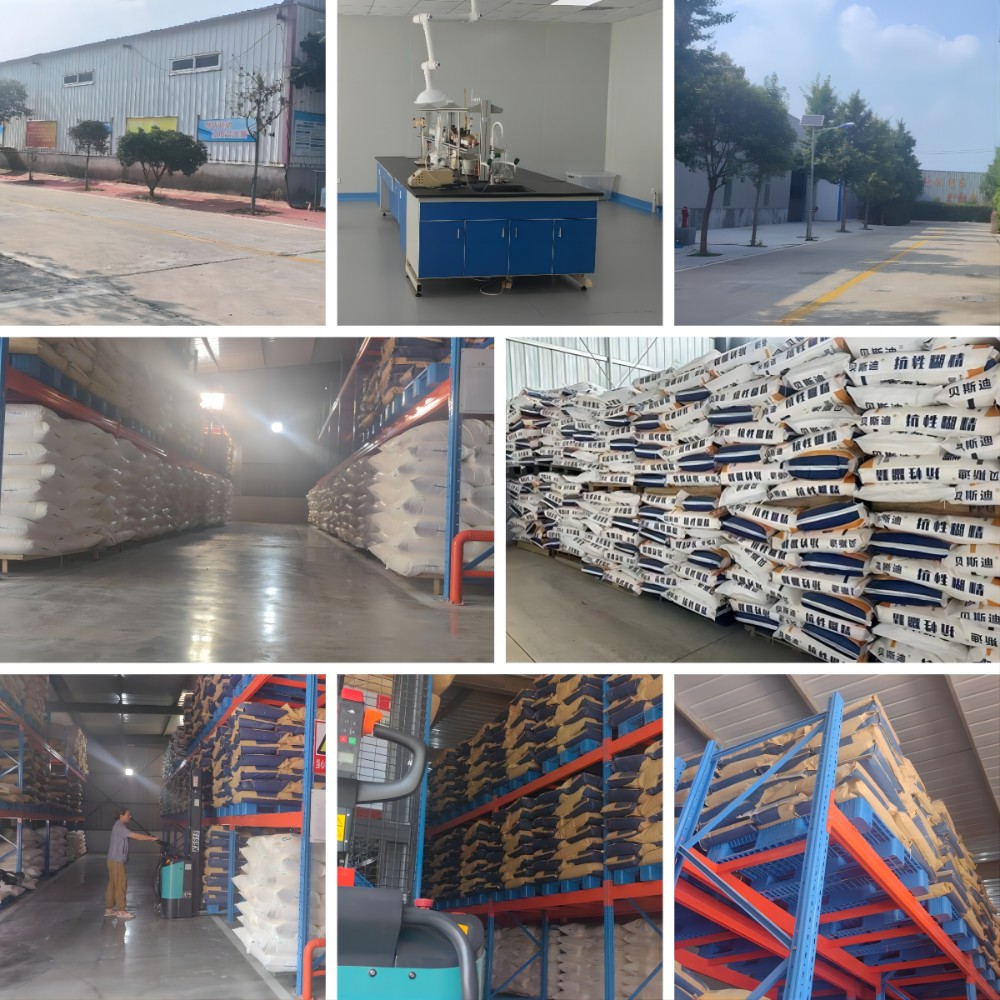
Shandong Shine Health operates automated production lines with an in‑house QC laboratory to ensure batch‑to‑batch consistency, full documentation and rapid technical support for onboarding customers. Visual inspection of facilities and review of certificates (organic, Non‑GMO, HACCP, ISO) should be part of supplier qualification.
Commercial support & practical next steps
Request technical samples (powder and syrup variants) and associated COAs/AOAC fiber reports.
Run bench tests using the starter ranges above; perform sensory, water activity and microbial checks.
Recalculate nutrition panels after adding the ingredient and verify on‑pack fiber claims with AOAC data.
Move through scale‑up milestones: lab → pilot → commercial; request pilot batch support and process notes from supplier.
Frequently asked questions
Q: Typical starting dose in a snack bar?
A: 3–8% wt (≈3–10 g/serving); validate with sensory and water‑activity testing.Q: Powder or syrup for bars?
A: Powder for dry mixes and crunchy textures; syrup for chewy bars and gummies where binding and softness are priorities.Q: What documents should I request?
A: COA (fiber %, moisture, microbes), AOAC fiber test, organic certificate, Non‑GMO docs, allergen statement and stability data.Q: Is this GRAS in the US?
A: Refer to FDA GRAS notice GRN 1170 (resistant dextrin from tapioca) and retain notifier documentation.Q: Can I claim “prebiotic”?
A: Use the term only if backed by supplier evidence and cleared by legal/regulatory review in the target market.
Contact and company brief
Manufacturer example: Shandong Shine Health Co., Ltd. — a supplier of dietary and soluble fibers with automated production lines and QC capabilities. Product page: https://www.sdshinehealth.com/resistant-dextrin/organic-resistant-tapioca-dextrin
For samples and technical support: info@sdshinehealth.com — include product name, desired format (powder/syrup), target application and required certifications in your inquiry.
References
J. Astina, W. Saphyakhajorn, C. Borompichaichartkul, S. Sapwarobol. "Tapioca Resistant Maltodextrin as a Carbohydrate Source of Oral Nutrition Supplement (ONS) on Metabolic Indicators: A Clinical Trial," Nutrients, 2022. https://doi.org/10.3390/nu14050916
FDA. GRAS Notice Inventory — GRN 1170 (resistant dextrin from tapioca). U.S. Food & Drug Administration.
AOAC International. Official Methods for dietary fiber determination and verification guidance documents. AOAC methods referenced on supplier COAs.
Clinical Nutrition & Food Science reviews on soluble resistant dextrin functional use in beverage and snack formulations, 2018–2023 (selected industry reviews).
Supplier technical dossier: Shandong Shine Health Co., Ltd. product literature and COA samples (product pages and QC data provided by supplier).
Food safety guidance: typical microbial and physicochemical specification ranges for powdered soluble fiber ingredients (industry best practice summaries).
Regulatory guidance summaries for fiber claims and prebiotic use in US, EU and UK markets (labeling thresholds and claim nuances).
Formulation case reports: pilot‑scale notes for integrating soluble dextrins into bars and baked goods (industry bench testing reports).
(If you would like, I can prepare a concise technical datasheet or a pilot formulation worksheet using your target product matrix — specify application, desired fiber claim and serving size.)