MCC Grade Selection Guide for CMOs: PH101 vs PH102 vs PH200
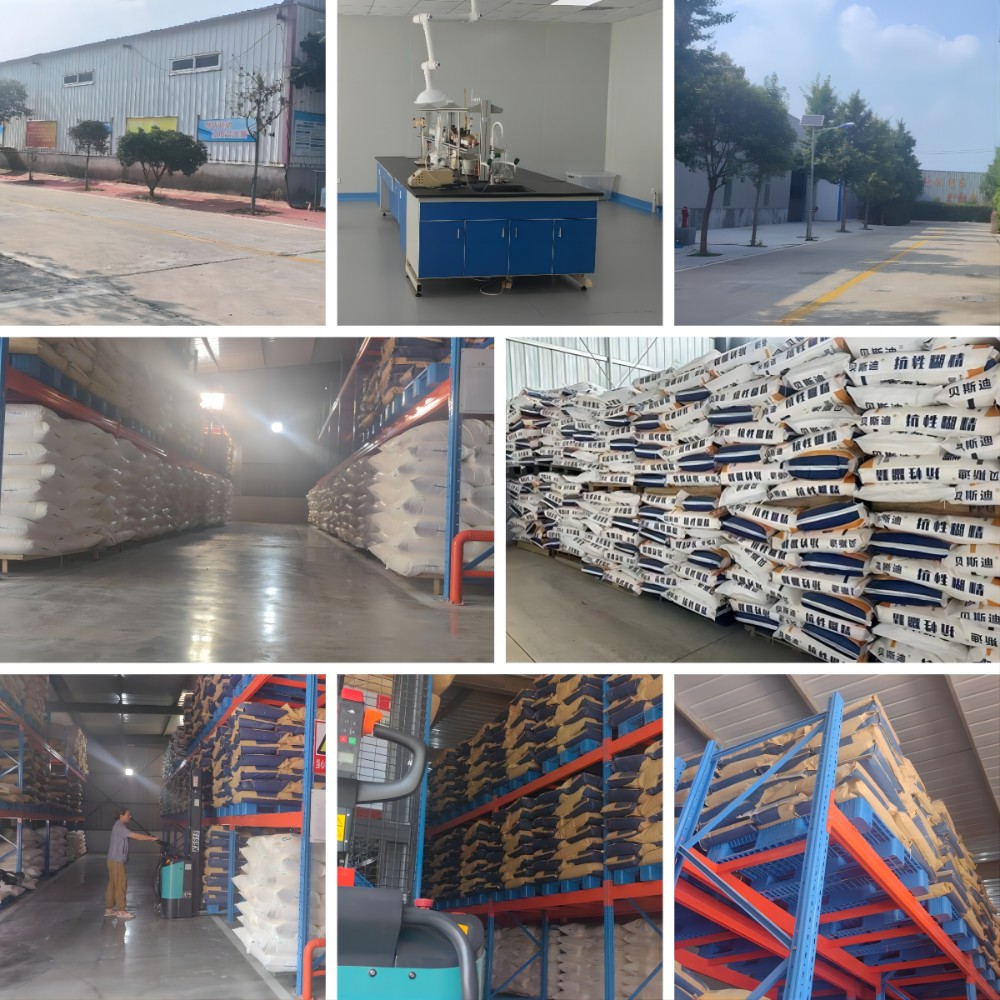
CMO teams often face a simple but high‑stakes decision: select the right microcrystalline cellulose (MCC) grade, lock supplier requirements into the RFP/COA, and prove performance on the target press before scale‑up. This guide streamlines that path with a practical selection matrix, a ready‑to‑use procurement checklist, and a lean DOE plan to qualify the supplier–grade pair. Shine Health is referenced as a sourcing example; the company provides batch traceability, COAs, and standard 25 kg kraft paper bags with PE liners for bulk shipments.

1) Fast grade selection: a 3‑step framework
Use this flow to narrow the grade before bench work:
Step 1 — Process type: direct compression (DC), wet granulation, or flow correction in blends.
Step 2 — API blend flowability: good, moderate, or poor (consider die‑fill consistency at target speed).
Step 3 — Tablet targets: tensile strength, disintegration profile, high‑speed pressability, and weight variation limits.
Grade matrix (qualitative)
| Grade | Typical particle size | Flow | Compressibility / tabletability | Typical use |
|---|---|---|---|---|
| PH101 | Fine | Lower | Strong binding and compactibility | Wet granulation; strength‑focused blends |
| PH102 | Medium | Improved vs 101 | Balanced; better die‑fill for DC | Direct compression on routine lines |
| PH200 | Coarse | Best bulk flow | Lower specific surface area; flow correction | High‑dose, poor‑flow APIs; high‑speed lines |
| SMCC (silicified) | Co‑processed | Excellent | Different compression/dissolution behavior | Critical‑flow, low‑dose DC (re‑qualify if switching) |
Why it works: finer powders increase contact area and plastic deformation, boosting tensile strength and lowering friability; coarser grades usually flow better, improving weight control and die‑fill at speed. In practice, PH102 often strikes the best DC balance, while PH101 favors compaction strength and PH200 stabilizes flow in challenging, high‑dose systems.
2) Procurement/RFP checklist (copy‑ready)
To reduce variability and support rapid qualification, include these COA fields and controls in your RFP:
Identity: manufacturer, grade name, lot/batch number, COA issue date.
Particle‑size distribution: D10 / D50 / D90.
Bulk and tapped density; derived flow indices (e.g., Hausner ratio, Carr index).
Specific surface area (e.g., BET), true density, and porosity.
Loss on drying/moisture content; moisture‑sorption data across RH points where available.
Particle morphology (microscopy) and agglomeration observations.
Microbiology: APC, yeast & mold, coliforms; heavy‑metals limits per internal spec.
Compliance package: evidence of GMP/cGMP, shelf life, storage conditions, country of origin.
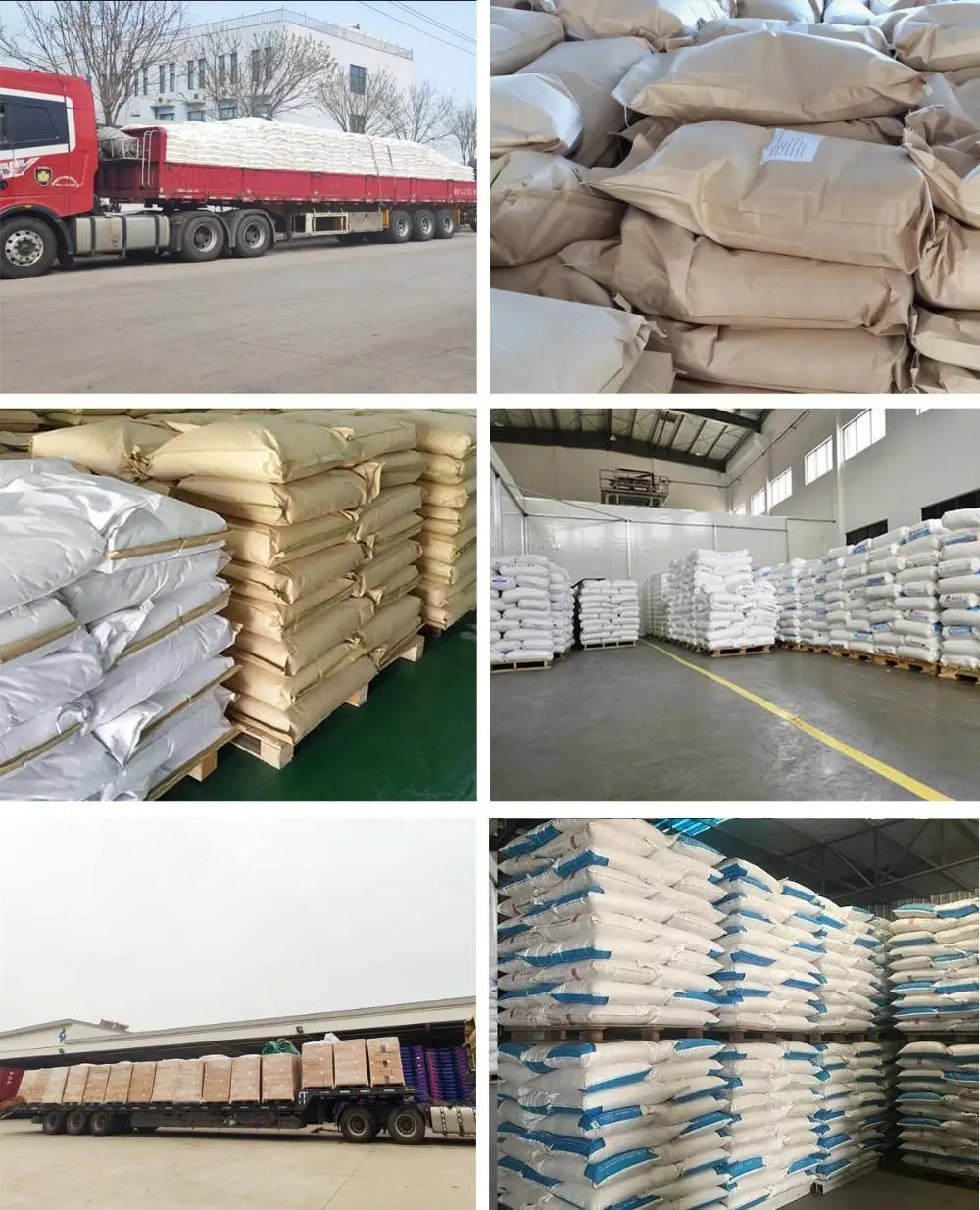
Packaging: 25 kg kraft paper bag with PE liner (or pharma‑grade IBC); clear lot and expiry labels.
Traceability and change control: mandatory prior notification for any process/material change.
Quality clause: first three commercial lots subject to independent third‑party testing.
Shine Health example: COAs, lot traceability, and 25 kg kraft+PE packaging are standard supplier options.
3) Pilot testing and DOE to qualify supplier/grade
Aim for realistic press conditions and head‑to‑head comparisons across short‑listed grades.
Minimum sample: 2–5 kg per grade/lot.
Design: factorial DOE with factors such as MCC grade, MCC level, lubricant level (e.g., Mg stearate 0.25–2%), and press speed. Keep tooling constant.
Key outputs: tensile strength (MPa) and breaking force, friability (<1% target), disintegration (per spec), weight variation, content uniformity (%RSD), ejection force, and visible defects (capping/lamination).
Special runs: lubricant sensitivity and a high‑speed simulation to probe die‑fill limits.
Acceptance: COA must match spec; DOE results must meet predefined ranges. Require supplier root‑cause/action if trends drift at scale; mandate third‑party testing for the first three lots.
Tip: summarize results in one short comparative table and archive along with batch records and raw COAs.
4) Typical risks and formulation levers
Flow instability: add a small quantity of glidant (e.g., colloidal silica) or pilot a switch to SMCC for critical die‑fill—treat SMCC as a distinct excipient and re‑qualify.
Moisture‑sensitive APIs: specify low‑moisture MCC and request sorption curves; perform stress compatibility studies.
Ejection/capping: reduce lubricant, adjust press speed, and consider lower‑moisture grade; fine‑tune binder level or granulation before considering CAPEX changes.
Documentation: record any grade change as a controlled formulation change under supplier change‑control.
5) Fast procurement workflow
Shortlist by process: DC → PH102; wet granulation → PH101; flow correction on high‑dose or high‑speed lines → PH200.
Request COA, 2–5 kg samples, and GMP evidence.
Run a head‑to‑head DOE on your press, including lubricant sensitivity.
Approve supplier/grade after DOE review; contract for prior change‑notifications and third‑party testing on initial lots.
Monitor CQAs in production (weight variation, friability, tensile strength) and re‑qualify upon any supplier changes.
Need templates? Your technical team can quickly adapt a one‑page RFP insert and a DOE worksheet aligned with the checklist above for supplier outreach and internal approvals.
References
Chaerunisa, A. Y., Sriwidodo, & Abdassah, M. (2019). Microcrystalline cellulose as pharmaceutical excipient. In Pharmaceutical Formulation Design – Recent Practices. https://doi.org/10.5772/INTECHOPEN.88092
Franc, A., Kurhajec, S., Pavloková, S., Sabadková, D., & Muselík, J. (2017). Influence of concentration and type of microcrystalline cellulose on tablet properties. Acta Pharmaceutica, 67(2), 231–244. https://doi.org/10.1515/acph-2017-0019
Haruna, F., Apeji, Y. E., & Oyi, A. R. (2022). MCC‑based co‑processed excipient using DOE. Jordan Journal of Pharmaceutical Sciences, 15(4). https://doi.org/10.35516/jjps.v15i4.678
Jivraj, M., Martini, L. G., & Thomson, C. M. (2000). Excipients for direct compression of tablets. Pharmaceutical Science & Technology Today, 3(2), 58–63. https://doi.org/10.1016/S1461-5347(99)00237-0
Setu, N. I., Mia, Y., Lubna, N. J., & Chowdhury, A. A. (2015). MCC from cotton and evaluation for naproxen tablets. Dhaka University Journal of Pharmaceutical Sciences, 13(2), 187–195. https://doi.org/10.3329/DUJPS.V13I2.21899
Zheng, J. Y. (2009). Formulation and analytical development for low‑dose oral drug products. Wiley. https://doi.org/10.1002/9780470386361
Gohel, M. C., & Jogani, P. D. (2005). Co‑processed directly compressible excipients: A review. Journal of Pharmacy & Pharmaceutical Sciences, 8(1), 76–93. https://www.semanticscholar.org/paper/bec93d39299f2af79032d716a6396d57789375f7