Master Sugar Reduced Candy Texture With Soluble Fiber
Reducing sugar in confectionery without losing bite, shine, and storage stability is a delicate balance. At Shandong Shine Health Co., Ltd., we understand that crafting the perfect candy requires precision. By combining our premium resistant dextrin (resistant maltodextrin), polydextrose in powder and syrup form, and high-fiber soluble corn fiber, you can effectively cut sugar while keeping processing behavior and mouthfeel firmly under control. This approach not only maintains the sensory experience but also adds meaningful dietary fiber to your product line.

Comparing Key Soluble Fibers for Confectionery Projects
When embarking on a sugar reduction confectionery project, selecting the right ingredient is your first crucial step. At Shine Health, we provide a variety of high-quality functional ingredients tailored to meet modern industry standards.
| Ingredient Family | Form | Fiber or Solids (per specs) | Typical Focus in Candy Systems |
|---|---|---|---|
| Resistant Dextrin | Powder | Total fiber on dry basis ≥90% or ≥82% | High-fiber bulking in bars, pressed pieces, gummies, premixes |
| Polydextrose Powder | Powder | Polydextrose (dry) typically ≥90% | Fiber bulking with low glycemic impact, texture support |
| PDX-90 Polydextrose Syrup | Syrup | Polydextrose (dry) ≥90%; solids ≥70% | Syrup-phase body, viscosity, water retention in soft candies |
| Soluble Corn Fiber | Powder | Fiber content typically ≥82% | Low-sweetness fiber enrichment with prebiotic positioning |
All values in this table are derived directly from our stringent product parameter sheets. When you design a resistant dextrin candy formulation or a polydextrose candy texture system, your primary choice is whether the main fiber enters the process as a powder or as a syrup.
Resistant Dextrin for Stable, Easy-Handling Candy Bases
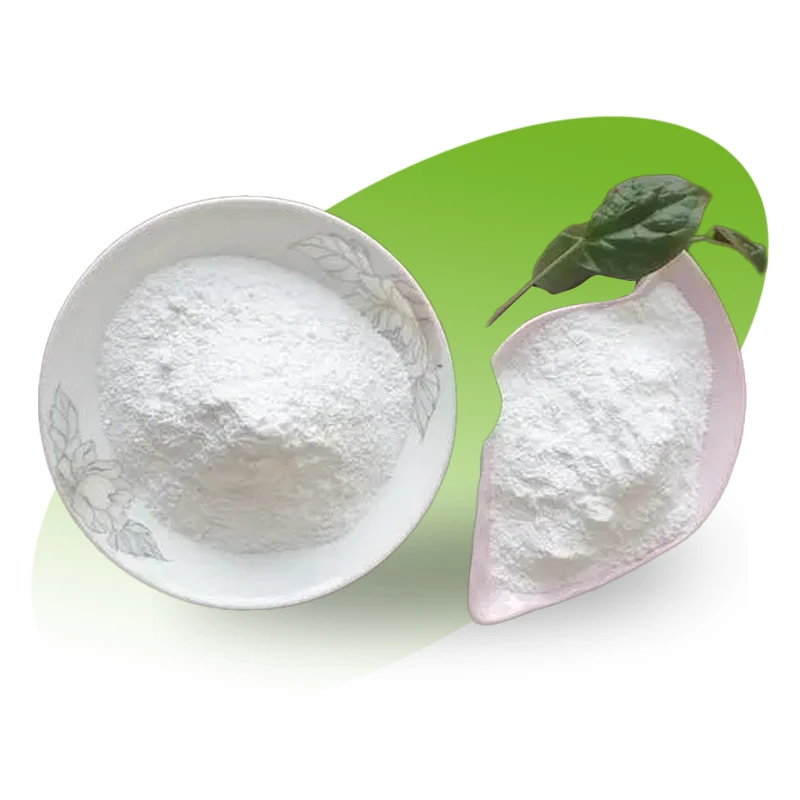
The resistant dextrin (often referred to as resistant maltodextrin) in our portfolio is a premium soluble dietary fiber. We derive it strictly from NON-GMO corn starch, meticulously sourced from China's finest agricultural producers.
Our advanced manufacturing process, featuring exquisite processing techniques from Japan and precision lines of German origin, results in a white to light-yellow powder that boasts:
- Total fiber content on a dry basis up to ≥90.0% (with other series available at ≥82%).
- Exceptional water solubility, dissolving quickly without leaving sediment.
- Low water activity, which drastically simplifies storage and extends the shelf life of your finished candies.
- Low hygroscopicity and absolute resistance to caking, ensuring clean and efficient powder flow during production.
These superior properties make our resistant dextrin a highly practical base when you aim for sugar reduction confectionery that runs smoothly on standard manufacturing equipment. It is particularly effective for:
- Bars and pressed confections: Offering high-fiber bulking with excellent flow into hoppers and molds.
- Powder premixes for gummies or chews: Enabling simple dosing and transport, significantly lowering the risk of lumping.
- Nutritional candies: Perfectly supporting keto-friendly and diabetic-friendly concepts.
Because resistant dextrin is a smart fiber that resists heat, acid, and enzymatic breakdown, you should calibrate total solids and cooking conditions so your existing sugar system behaves as expected. Treat our resistant dextrin as a high-fiber bulking agent, adjusting your syrup ratios to keep the final texture and crystallization profile identical to your current benchmark.
Polydextrose Powders and PDX-90 Syrup for Body and Chew
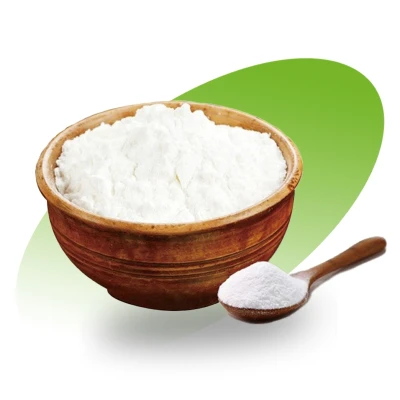
Polydextrose is an incredibly versatile soluble fiber built from glucose units. At Shine Health, we supply it both as a highly refined powder and as PDX-90 polydextrose syrup to accommodate diverse confectionery processes.
PDX-90 Polydextrose Syrup in Cooked Masses
Our PDX-90 syrup is engineered as a light-yellow viscous liquid, crafted using imported pharmaceutical-grade acids for catalytic processes. Its specifications include:
- Polydextrose content (dry basis, without ash) of ≥90.0%.
- Solid substances at ≥70.0%.
- A stable pH range of 3.0–6.5.
In the realm of reduced-sugar confectionery, PDX-90 acts as a powerful tool for perfecting polydextrose candy texture. It effortlessly builds viscosity and body in soft candies, chews, and toffees. It also improves the coating and filling texture in bar systems while supporting low-calorie profiles with a notably lower glycemic impact.
For applications where a dry bulk fiber is preferred—such as in bar blends or powdered confectionery bases—our polydextrose powders deliver the same functional benefits. They dissolve easily and blend seamlessly with other ingredients, ensuring a consistent and creamy mouthfeel without the need for added fats.
High-Fiber, Low-Sweetness Soluble Corn Fiber for Gentle Sweetness
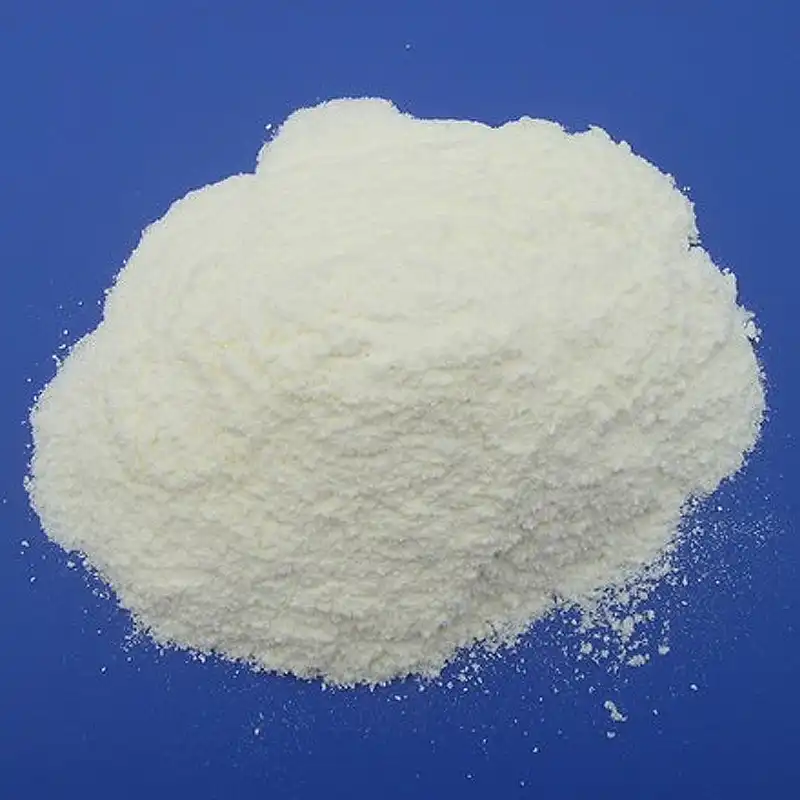
Our natural soluble corn fiber is a prebiotic powerhouse extracted from premium starch sources. Manufactured using advanced biological enzymes imported from overseas, it reaches the large intestine intact to nourish beneficial gut bacteria.
Key characteristics of our soluble corn fiber include:
- Exceptional water solubility and heat stability, making it robust under normal candy cooking conditions.
- A mild, neutral taste with very low sweetness.
- A guaranteed non-GMO origin, gluten-free, and vegan-friendly profile.
- The ability to provide vital nutrition for beneficial gut flora, such as Bifidobacterium.
For sugar reduction confectionery targeting a softer sweetness curve—like functional gummies, soft chews, or delicate bar fillings—soluble corn fiber is your ideal ingredient. It allows you to increase total fiber content with minimal flavor impact. Because of its low intrinsic sweetness, you can pair it with high-intensity sweeteners or polyols, ensuring the sweetness profile and crystallization behavior of your system stay remarkably close to your original candy recipe.
Practical Workflow for Sugar-Reduced Candy Development
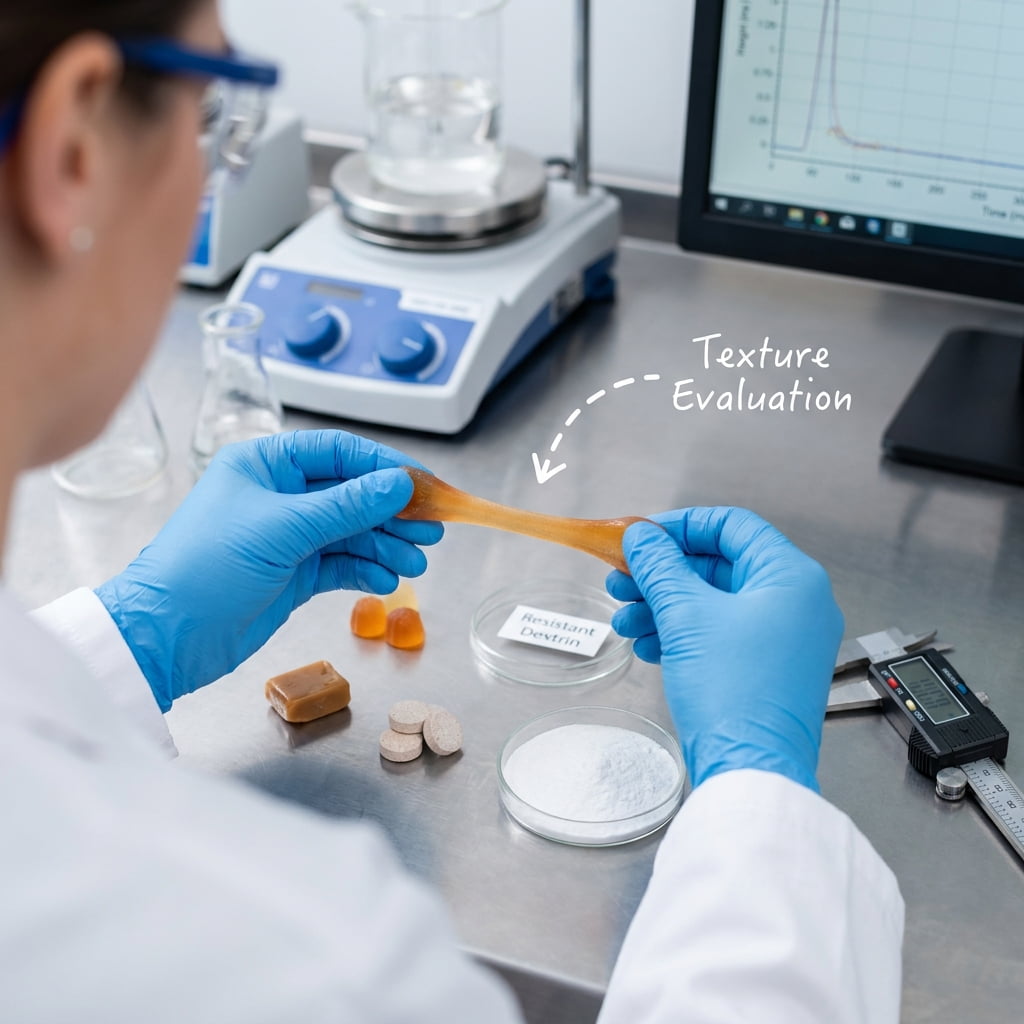
Whether your focus is a complex resistant dextrin candy formulation or a simple polydextrose-based chew, following a structured workflow guarantees the best results. Our technical team at Shine Health recommends these practical steps:
- Choose Powder vs. Syrup Fibers
Opt for resistant dextrin and soluble corn fiber powders for dry premixes, nutritional bars, and pressed candies. Conversely, utilize PDX-90 syrup when your formulation demands syrup-phase body, enhanced water retention, and increased fiber. - Set Target Fiber and Solids
Base your calculations precisely on the listed solids for PDX-90 (≥70%) and the fiber contents for resistant dextrin and soluble corn fiber (typically ≥82–90% on a dry basis). Keeping total solids within a specific range preserves your existing hard or soft candy texture. - Adjust Cooking and Mixing
For soft confections, introduce PDX-90 directly into the syrup phase. Cook to your usual end-solids target, then fine-tune the temperature to perfect the bite and chew. For bars, thoroughly blend resistant dextrin and soluble corn fiber powders with other dry ingredients before adding liquid binders. - Evaluate Mouthfeel and Storage
Rigorously compare the bite, chew, breakdown, and moisture perception against your full-sugar reference confection. Conduct warm and humid storage tests to ensure your reduced-sugar pieces remain perfectly stable, avoiding any undesirable hardness or stickiness.
Quality, Stability, and Manufacturing Assurance
At Shandong Shine Health Co., Ltd., quality originates from the source. We meticulously select our raw materials from trusted farms committed to avoiding harmful chemicals. The key parameters across our resistant dextrin, polydextrose, and soluble corn fiber portfolios are designed to support stable sugar reduction confectionery.
- The low water activity in our resistant dextrin significantly extends shelf life, especially when paired with our moisture-proof, food-grade packaging.
- The tightly specified solids and pH for our PDX-90 syrup make it remarkably easier to hold cooked masses within a strict process window.
- The outstanding water solubility and heat stability of our ingredients guarantee clear solutions and robust textures.
Behind these exceptional ingredients stands our state-of-the-art production facility. Our modern workshops adhere strictly to GMP, HACCP, ISO, and FDA-related standards. We utilize fully automated, closed-loop systems to prevent contamination, featuring filtered air, controlled temperatures, and stainless steel surfaces. Every single batch undergoes rigorous testing in our fully equipped, in-house QC laboratory before it reaches your facility.
We are more than just a supplier; we are innovators dedicated to your success. Our dedicated service team provides swift, 24/7 support, offering technical advice and formula adjustment assistance to ensure your confectionery projects thrive.
Ready to upgrade your sugar reduction confectionery formulas? Contact us today at info@sdshinehealth.com or via WhatsApp at +8619953188045 to request samples and technical support.
FAQs
- Q1. What makes resistant dextrin suitable for candy formulations?
- Our premium resistant dextrin offers a high soluble fiber content (up to ≥90% on a dry basis), excellent water solubility, low water activity, and zero caking. This unique combination supports flawless powder handling, substantial fiber enrichment, and stable storage in bars, pressed candies, and premixes.
- Q2. When should I use PDX-90 polydextrose syrup instead of polydextrose powder?
- You should use PDX-90 syrup in confectionery systems that feature a cooked syrup phase requiring extra viscosity, body, and water retention—such as soft chews and toffees. Polydextrose powders are much more convenient for dry blends and bar bases where a free-flowing bulk fiber is absolutely necessary.
- Q3. How does soluble corn fiber fit into sugar reduction confectionery?
- Our high-fiber, low-sweetness soluble corn fiber adds valuable prebiotic dietary fiber with a very mild taste. Being completely water-soluble and heat-stable, it is exceptionally suitable for functional gummies and fillings where gentle sweetness and digestive health benefits are desired.
- Q4. Do these fibers require changes to existing candy cooking conditions?
- Yes, it is standard practice to review total solids, cooking temperatures, and mixing orders when incorporating resistant dextrin, polydextrose, or soluble corn fiber. Utilizing the precise data from our product parameter sheets ensures your final texture and shelf life mirror your original confection.
- Q5. How is product quality controlled during manufacturing?
- At Shine Health, we operate fully automated production lines equipped with advanced biological enzymes and German-origin machinery. Our GMP-standard workshops, combined with strict HACCP and ISO systems, guarantee that every batch tested in our in-house QC laboratory performs consistently in your confectionery production.
References
- Shandong Shine Health Co., Ltd. Resistant dextrin product page – product features, German-origin production line, enzyme technology, parameters, and storage notes.
- Shandong Shine Health Co., Ltd. Soluble maize fibre and soluble dextrin fiber overview – non-GMO corn sourcing, GMP/HACCP/ISO/FDA standards, and QC laboratory description.
- Shandong Shine Health Co., Ltd. PDX-90 Syrup specification – appearance, pH, polydextrose content, solids, functional benefits in texture, fiber enrichment, and low glycemic impact.
- Shandong Shine Health Co., Ltd. Polydextrose syrup and polydextrose powder product pages – application diagrams for beverages, dairy, bakery, confectionery, and nutritional products.
- Shandong Shine Health Co., Ltd. Prebiotic soluble corn fiber product page – description of prebiotic function, water solubility, heat stability, mild taste, and non-GMO corn starch origin.
- Shandong Shine Health Co., Ltd. High-fiber low-sweetness soluble corn fiber product page – manufacturing details, automated production workshop, and product positioning for sugar reduction and fiber enrichment.
- Nabors, L. O. (2016). Alternative Sweeteners: An Overview. In Alternative Sweeteners (4th ed.). Taylor & Francis. https://doi.org/10.1201/B11242-4
- Neville, N. E. (1986). Textural optimization of reduced-calorie baked goods using polydextrose and hydrocolloid systems. Cited in formulations using polydextrose for body and mouthfeel in reduced-sugar foods.
- Xu, L., Xu, S., & Yang, R. On maltodextrin properties and applications in food systems – discussion of solubility, viscosity, and crystallization-related behavior in carbohydrate matrices. https://www.spkx.net.cn