Why We Coat Tablets: The Hidden Science You Swallow
Coatings Are Not Just Decoration
We’ve all seen tablets—some white, some colorful, some shiny—but most people rarely ask why they look the way they do. At Shine Health, we work behind the scenes to ensure those coatings serve a purpose far greater than aesthetics. They protect, control, enhance, and sometimes even transform how the medication performs in the body.
We coat tablets because the coating defines where and when the active ingredients are released. Without it, a drug may dissolve too early, degrade too fast, or taste so bad that people won’t take it at all. This thin outer layer isn’t cosmetic—it’s critical.
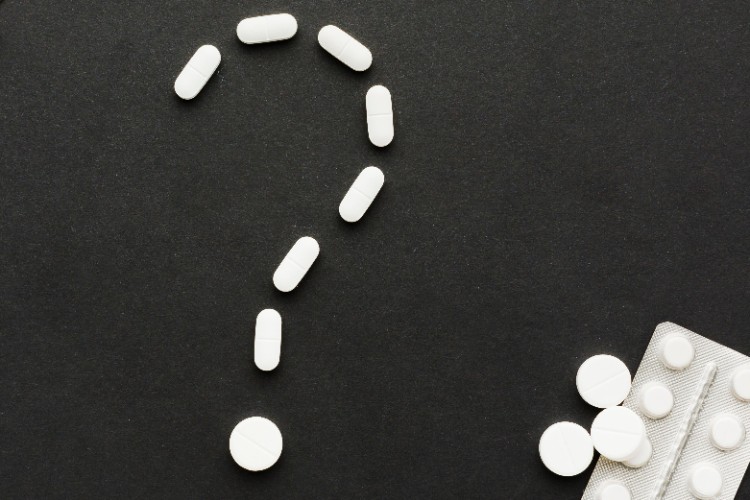
What Exactly Is a Film Coating?
A film coating is a thin, uniform layer applied to a solid dosage form—usually a tablet or pellet. It’s made of polymers, plasticizers, colorants, and solvents. Together, these components form a functional barrier with specific goals.
We usually apply coatings using aqueous solutions or organic solvents, depending on the sensitivity of the ingredients. The process is precise, controlled, and backed by deep formulation science.
What Goes Into a Coating?
Each coating has four primary components:
· Polymers – They form the core structure of the coating, giving it strength and flexibility.
· Plasticizers – These keep the film from cracking during tablet compression or transport.
· Colorants/Opaquers – We use these for product identification, branding, and light protection.
· Solvents – Either water or organic solvents serve as carriers, helping dissolve and apply the ingredients.
We tailor the composition depending on whether the tablet needs taste masking, enteric protection, or delayed release.
Why We Coat Tablets: Practical Reasons That Matter
We don’t coat tablets for visual appeal alone. Every layer has a technical reason behind it. Below are the most common goals we aim to achieve when designing film coatings.
1. Taste and Odor Masking
Many active ingredients taste bitter, metallic, or sour. We apply coatings to create a neutral outer shell that masks these unpleasant flavors, improving patient compliance—especially in pediatric and geriatric medications.
2. Moisture Protection
Moisture-sensitive tablets degrade quickly if left exposed. Our coatings create a strong barrier against humidity and oxygen, helping extend product shelf life and reduce spoilage risks.
3. Improved Swallowability
Smooth coatings reduce friction in the esophagus, making tablets easier to swallow. This is particularly important for elderly patients and those with dysphagia.
4. Light and Air Shielding
Some drugs lose potency when exposed to light or air. We use opaque coatings to block UV rays and seal off air-sensitive compounds.
5. Enteric Coating for Targeted Release
We develop enteric coatings that resist stomach acid and dissolve only in the intestine. This helps deliver drugs safely to where they’re most effective and reduces stomach irritation.
6. Controlled and Modified Release
We formulate coatings that release medication over time or in stages. This improves therapeutic outcomes, reduces dosing frequency, and ensures more stable blood levels.
Functional Film Coatings: What Sets Them Apart
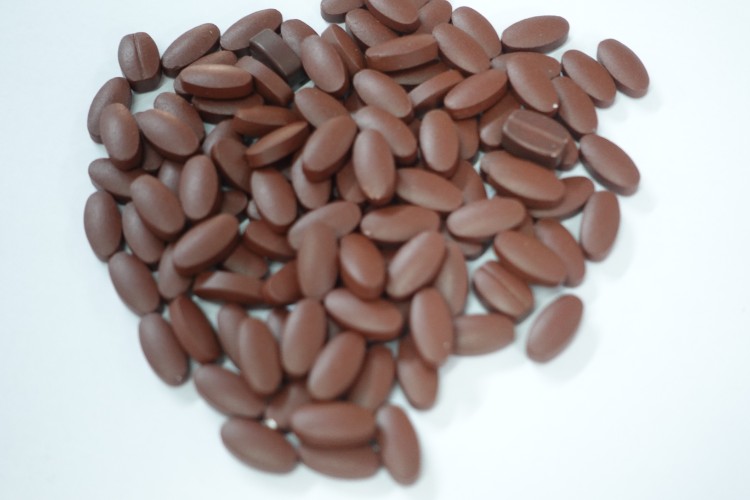
Functional coatings go beyond basic protection. These are precision tools we engineer for high-performance pharmaceuticals. Our lab designs each formulation to meet specific release profiles, physical demands, and regulatory standards.
At Shine Health, we customize functional coatings for:
· Delayed-release applications
· Sustained-release profiles
· Bi-layer tablets
· Multi-particulate dosage forms
We don’t believe in one-size-fits-all. Every product has different challenges—our coatings are built to solve them.
Real-Life Industry Applications
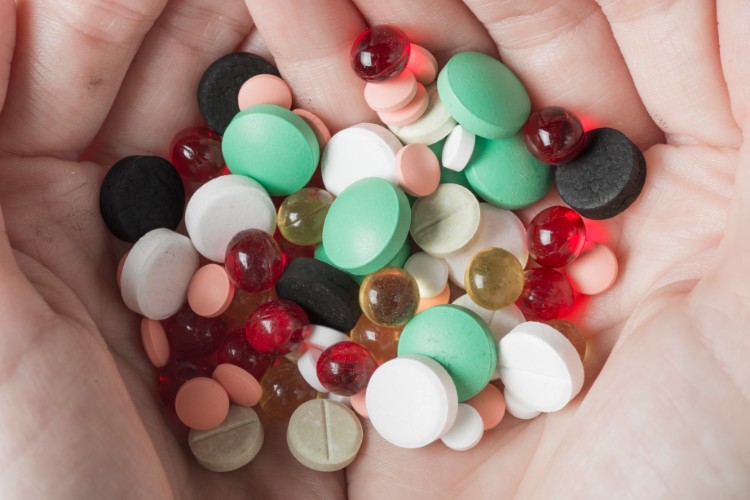
The best way to understand the importance of coatings is through examples.
· Proton Pump Inhibitors (PPIs) – These drugs degrade in stomach acid. Without an enteric coating, they wouldn’t survive long enough to be absorbed.
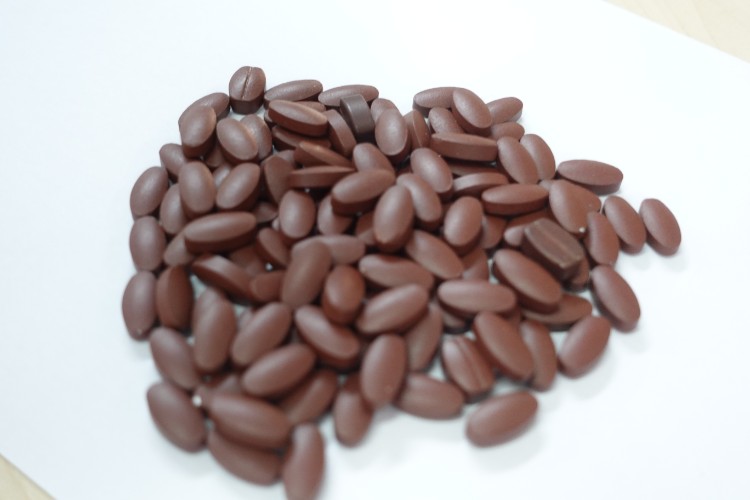
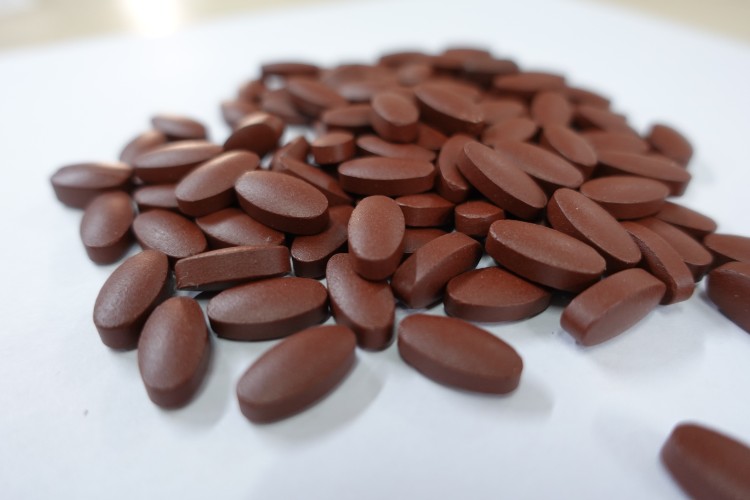
· Iron Supplements – Known for metallic taste and GI irritation, iron tablets benefit from coatings that improve both taste and tolerance.
· Once-Daily Medications – Coatings allow us to release active ingredients gradually, making it possible to take fewer pills per day.
Whether the goal is to stabilize, delay, or enhance, we design coatings that solve real pharmaceutical problems.
How We Apply Coatings: The Process Explained
Coating tablets is not just about spraying liquids. It’s a multi-step process that requires precise control over several variables.
Step 1: Core Preparation
We start with tablet cores that are dried, dedusted, and polished. The surface must be smooth and clean for the coating to adhere properly.
Step 2: Coating Formulation
Our scientists mix the polymers, solvents, plasticizers, and pigments in exact ratios. We test the formulation for viscosity, stability, and film strength.
Step 3: Application
Using automated coating pans or fluidized bed systems, we apply the film in layers. The tablets are tumbled while the solution is sprayed, then dried with warm air.
Step 4: Quality Control
We measure weight gain, uniformity, dissolution profile, and visual appearance. If a batch doesn’t meet our standards, we troubleshoot and rework it.
Common Coating Problems and How We Prevent Them
Every process has its risks, and coating is no exception. Here are the most common issues—and how we solve them.
· Peeling or Cracking – This usually comes from poor plasticizer balance or inadequate drying. We fine-tune our formulation to prevent brittle films.
· Color Variation – Uneven color often means poor mixing or spray rate inconsistency. We use inline monitoring tools to maintain visual consistency.
· Poor Adhesion – If the coating doesn’t stick, the core might be too smooth or contain waxy excipients. We adjust the surface treatment or switch to a more compatible polymer.
We don’t wait for problems to happen—we anticipate them.
Why We’re Different
Our expertise goes beyond materials. We offer end-to-end solutions—from formulation to application to scale-up. Clients trust us because we listen, innovate, and deliver coatings that work in real-world settings.
Here’s what we offer:
· Custom formulation development
· Pilot trials and testing
· In-house stability studies
· Global regulatory support
· Scalable solutions for commercial manufacturing
When you work with Shine Health, you’re not just buying a coating—you’re investing in reliability, performance, and expertise.
Summary: The Real Reasons We Coat Tablets
We coat tablets to protect them, to direct them, and to enhance their performance. Coatings are not afterthoughts. They are essential tools in modern drug design.
Here’s what tablet coating achieves:
· Protects from light, moisture, and oxidation
· Masks taste and odor
· Improves ease of swallowing
· Delivers drugs to the right place at the right time
· Enables sustained or delayed-release
· Supports brand identity and regulatory compliance
For us, each tablet coating is a science project, a design challenge, and a promise of quality—all rolled into one.