Why Film-Coated Tablets Work Wonders for Modern Medicine
Introduction: What We Learned About Film-Coated Tablets
At Shine Health, we live and breathe pharmaceutical innovation. Our daily mission? To answer one powerful question: what is the main purpose of a film coated tablet — and how can we make it better?
For decades, tablets have been the backbone of oral solid dosage forms. Simple, effective, and easy to store. But without the right coating agents, these little pills often fall short.
They crumble, taste bitter, irritate the stomach, or release medicine too quickly. That’s where film coated tablets step in to save the day.
And trust us—we’ve been on the front lines of the film coating process, learning everything from solvent systems to color stability. What we’ve discovered? The outer layer means everything.
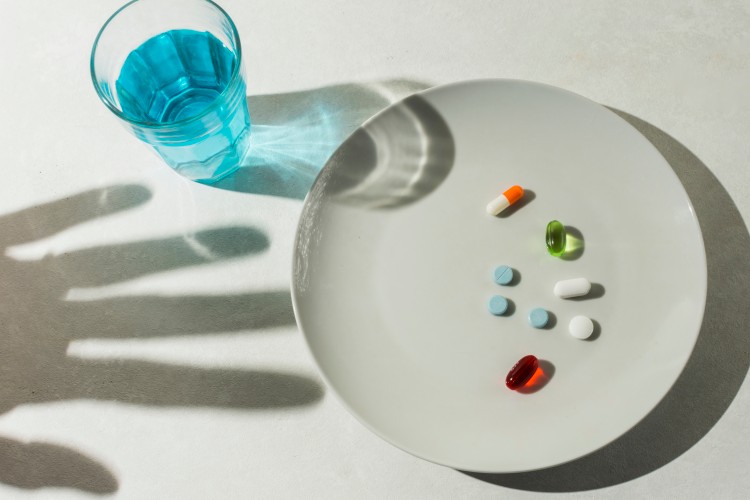
What Is the Main Purpose of a Film Coated Tablet?
You may think a coating is just for looks. It’s not. The main purpose of a film coated tablet is function—protecting the medicine and enhancing its performance.
Here’s what a film coat achieves:
· Prevents moisture and air from degrading the tablet core
· Guards against breakage and chipping during transportation
· Masks bad tastes or odors
· Improves drug delivery accuracy
· Helps patients swallow tablets more easily
· Allows for delayed release in the intestinal tract
· Reduces irritation in the gastrointestinal tract
· Adds branding and identification options
In a competitive pharmaceutical industry, performance matters. Tablets can’t just work in a lab. They must survive the supply chain, stand up on the shelf, and make patients feel better. That’s the full-time job of a coating material—a job we take seriously.
How the Film Coating Process Brings Tablets to Life
So how do we go from a rough pill to a professional film coated tablet?
It starts with science. Specifically, the film coating process. Here’s our simplified version:
1. Preparation of the tablet core
Our team blends the active ingredient with excipients to ensure stability and compressibility. The tablet core must be smooth, strong, and dust-free.
2. Choosing the right coating material
Based on the drug’s sensitivity, we select between water-based or organic solvent systems. If heat isn’t ideal for a particular drug, we lean toward organic solvents for quicker evaporation.
3. Application using coating technologies
We use advanced coating equipment like perforated pans or fluidized beds. The solution is atomized into a fine mist and sprayed onto tumbling tablets.
4. Drying and curing
Controlled hot air dries the coating, locking in functionality. Timing is critical. Too long and the coat cracks. Too short and it peels.
We’ve tested hundreds of coating techniques across various solid dosages, adjusting variables like spray rate, nozzle design, humidity, and temperature to get that perfect result.
Common coating types we offer include:
· Immediate-release coatings – for appearance, swallowability, and minor protection
· Delayed-release coatings – to bypass the stomach and release in the intestine
· Sustained-release coatings – to extend the release of active ingredients over time
· Enteric coatings – prevent stomach acid from destroying the drug
Each style uses different coating materials like hydroxypropyl methylcellulose (HPMC), ethylcellulose, or acrylic polymers.
Why Coating Agents Make or Break Drug Products
Let’s talk about the real heroes behind film coated tablets—Coating Agents. These materials aren’t just decorative. They’re the secret sauce behind every successful tablet.
Here’s what the right agent can do:
· Strengthen the tablet surface
· Extend product shelf life by shielding from light, heat, and humidity
· Control how and where drugs are absorbed in the body
· Reduce side effects by minimizing contact with sensitive stomach linings
· Prevent dosage dumping in acidic environments
And honestly? We've seen products fail on the market just because of poor coating agent choices. Either the coating flaked off, or it didn’t dissolve at the right time. That’s why we source high-grade materials and test our formulas rigorously.
We once worked with a client whose drug products were melting during shipping. Our solution? A high-gloss hydrophobic coating material that resisted humidity and cut complaints by 90%.
The Art of Coating Techniques: How We Master Performance
Working with solid dosages gives us plenty of room to play with coating technologies. Here’s how we approach each project:
Step 1: Define the Function
What’s the goal?
· Taste masking
· Moisture resistance
· Controlled release
· Enteric protection
· Cosmetic appeal
Step 2: Choose the Base
Do we use:
· Water-soluble polymers for fast action?
· Organic solvent systems for moisture-sensitive drugs?
· Acrylics for delayed release?
We tailor the polymer to the goal.
Step 3: Customize the Finish
Let’s be honest. Looks matter. We play with:
· Gloss levels
· Tablet color (branding and patient recognition)
· Texture (smooth vs matte)
Sometimes we go bold. Sometimes understated. It all depends on the drug product’s target audience.
Functional Film Coats: More Than Just a Pretty Face
Let’s dig into the coolest part—functional film coats. These are more than protective shells. They actively change how a drug behaves in the body.
Examples include:
· pH-responsive coatings: Dissolve only at intestinal pH to reduce gastric side effects
· Time-based coatings: Delay release by hours
· Multi-layer coatings: Combine multiple actives or release profiles
With multi-functional coats, one tablet can do what three used to. That’s real innovation.
Tablet Surface Engineering: Every Micron Counts
Yes, even surface texture plays a role in patient experience.
A rough tablet surface can cause sticking in machines, poor coating uniformity, or bad mouthfeel. We optimize:
· Tablet hardness
· Friability
· Porosity
· Compression force
That way, the film coating process goes smoothly, and patients enjoy a better dose experience.
Improving Patient Compliance Through Design
Here’s a truth we never ignore: If patients hate taking the drug, they’ll stop taking it. That’s dangerous.
So we use coatings to:
· Add a touch of flavor
· Make pills easier to swallow
· Color-code strengths or dosages
· Eliminate rough textures
Good coating agents can turn a daily chore into a seamless routine. We’re not just protecting molecules. We’re protecting health habits.
Real-World Results: Stories from the Coating Lab
We had a nutraceutical client struggling with a fish oil tablet. It stank. Literally.
We reformulated it using odor-blocking coating material with natural mint flavor. Complaints vanished. Sales tripled in six months.
Another time, we helped a pharma partner convert a fragile chewable into a dual-layer film coated tablet with extended release. That tablet is now a top seller in its region.
That’s what gets us excited—turning technical challenges into commercial wins.
Conclusion: Coating Is More Than a Finishing Touch
So, what is the main purpose of a film coated tablet?
It’s to protect. To perform. To please.
At Shine Health, we’re not just crafting coatings. We’re crafting experiences. We believe that every oral solid dosage form should deliver both clinically and emotionally. If a tablet feels easy to take and works exactly as promised, we’ve done our job.
From choosing the perfect coating agents to mastering the art of the film coating process, we obsess over the details so your brand can shine on the shelf—and in people’s lives.
Summary Points to Remember
· Film coats protect, delay, and improve drug release
· The film coating process involves polymers, solvents, and precision control
· Coating techniques differ based on function and formulation
· Proper coating material selection improves shelf life and stability
· Tablet surface texture affects machine handling and swallowability
· Functional coats provide controlled drug delivery and reduce side effects
· All of it boosts patient compliance and overall drug effectiveness
References
PubMed Central: Functional Coating Strategies
https://www.ncbi.nlm.nih.gov/pmc/articles/PMC7151222/