What is Tablet Coating Process
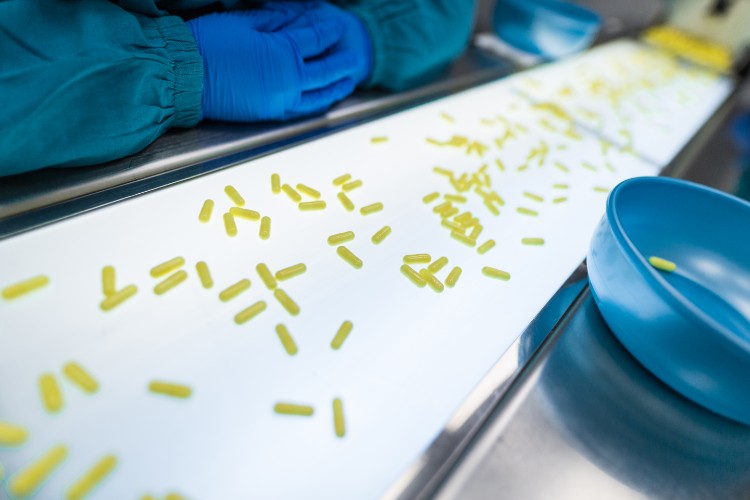
As Shine Health, we've lived and breathed Film Coating Agents for years. Our hands know the texture of a smooth tablet core, our machines hum the rhythm of perfect coating. So when someone asks, “What is tablet coating process?” we don’t just explain it—we walk you through it like an old friend sharing trade secrets.
Let’s unravel the magic behind that shiny outer shell.
Why Tablets Wear Coats in the First Place
We don’t coat tablets just for show. The process transforms a bare tablet core into a functional and appealing pharmaceutical dosage form.
Here’s what coating delivers:
· Improved shelf life
· Protection from moisture and light
· Taste masking
· Controlled or delayed release
· Brand identity and recognition
Let’s dig into how this all happens.
The Film Coating Process—Broken Down Simply
The film coating process involves spraying a thin film of coating material onto the surface of the tablet while it tumbles in a coating pan. Easy, right? Well, there’s some science and serious heat involved too.
We’ll take you through it—step by step.
Step 1: Prep the Tablet Core
We start with a clean dry tablet core. No chips no dust no drama. Think of it as prepping a cake before the frosting.
Step 2: Load the Coating Pan
We place the tablets inside a coating pan—a rotating drum that keeps things moving. This ensures even exposure to the coating solutions.
Step 3: Spray the Coating
Our team uses atomizing nozzles to spray aqueous film coating or organic solvents onto the tablets. We choose between the two based on formulation needs and regulatory guidelines.
· Aqueous coatings are eco-friendlier
· Organic solvents dry faster but need ventilation
Step 4: Drying Time
Hot air enters. Moisture exits. The surface of the tablet dries instantly forming a consistent thin film. This stage needs perfect process time to prevent over-wetting or under-coating.
Step 5: Quality Checks
We check thickness smoothness color and function. We don’t just eyeball—we test and validate. No tablet leaves without passing inspection.
Coating Materials We Trust
We swear by specific coating materials—because every layer matters.
Here’s what typically goes into our Film Coating Agents:
· Polymers: Water-soluble or water-insoluble (for delayed release)
· Plasticizers: Improve flexibility so no cracking
· Colorants: Like titanium dioxide for opacity or branding
· Solvents: Aqueous or organic depending on the system
When you match the right materials with the right process magic happens.
A Look at Different Coating Methods
Tablet coating is not one-size-fits-all. There are three main coating methods we use in the pharmaceutical industry depending on the product goal.
1. Sugar Coating
Old-school and rarely used now. Too bulky and too sweet.
2. Film Coating
This is our bread and butter. It offers speed durability and adaptability.
3. Enteric Coating
Designed for delayed release in the intestine not the stomach. Ideal for pH-sensitive drugs.
Coating Equipment That Gets the Job Done
Without proper coating equipment even the best Film Coating Agents fall flat. Here’s what we rely on:
· Coating Pans: Traditional yet effective
· Fluidized Bed Coaters: Ideal for uniform coverage
· Perforated Pans: Help with heat flow and drying
Temperature air pressure and spray angle all play a role. Our technicians dance with the machines like seasoned chefs with ovens.
Common Pitfalls We Avoid
We’ve made the mistakes—so you don’t have to. Here are the most common coating blunders:
· Peeling: Caused by poor adhesion
· Cracking: Low plasticizer or over-drying
· Color variation: Uneven spray or settling pigment
· Twinning: Tablets sticking together during coating
We beat these with smart technique and sharp eyes.
Why Coating Time Matters More Than You Think
Process time isn’t just a schedule—it's a recipe. Rushing leads to messes. Dragging it out means waste. We measure everything:
· Spray rate (ml/min)
· Inlet air temperature (°C)
· Pan rotation speed (RPM)
· Final film thickness (μm)
Because in our world consistency means everything.
Enteric Coating: A World of Its Own
Enteric coating isn’t just a fancier film. It’s a science of protection and precision. It shields drugs from stomach acid and delivers them to the intestine.
We choose water insoluble polymers that resist stomach pH and dissolve only in higher pH environments. Think targeted delivery—without the GPS.
Why the Pharmaceutical Industry Relies on Coating
Every major pharma company uses coating techniques to stand out and stay safe. Here's why:
· Improved product stability
· Better patient compliance
· Extended market shelf life
· Custom release profiles
We’re not just adding color. We’re engineering functionality.
The Science Behind the Shine
Yes the tablet looks glossy and beautiful. But inside that thin film there’s a controlled release matrix a layer of pH-resistance or a barrier to light.
Behind that shine is science. And we live it every day.
Quick Recap: What You Need to Remember
If you skimmed (we get it) here’s what sticks:
· What is tablet coating process? It’s the step-by-step application of a thin film onto a tablet core using heat motion and precision.
· Film Coating Agents are tailored blends of polymers plasticizers colorants and solvents.
· Coating equipment like pans and fluidized beds ensure even application.
· Enteric coating = targeted delivery in the intestine.
· Every step from prep to coating solutions impacts shelf life and patient safety.
Our Final Thoughts
We coat tablets with care confidence and chemistry. It’s not just about shiny surfaces—it’s about making medication safer smarter and more effective. When we say we’re proud of our Film Coating Agents, we mean it. Every batch carries our signature of quality.
Want coatings that don’t crack under pressure? You know who to call.