What is MCC used for?
Exploring the Versatile Applications of Microcrystalline Cellulose
Introduction: The Importance of Microcrystalline Cellulose
Microcrystalline Cellulose Powder (MCC) is more than just an additive—it’s a game-changer across multiple industries. Whether in medicine, food, cosmetics, or industrial manufacturing, MCC enhances product performance in countless ways. But what exactly makes it so valuable?
Derived from wood pulp, MCC undergoes steam explosion and acid hydrolysis, breaking down cellulose into partially depolymerized cellulose with unique functional properties. Its particle size determines its usability, making it essential in applications ranging from pharmaceuticals to biodegradable plastics.
Let’s dive deeper into the fascinating world of MCC and uncover its critical role in modern manufacturing.

MCC in Pharmaceuticals: The Backbone of Tablet Manufacturing
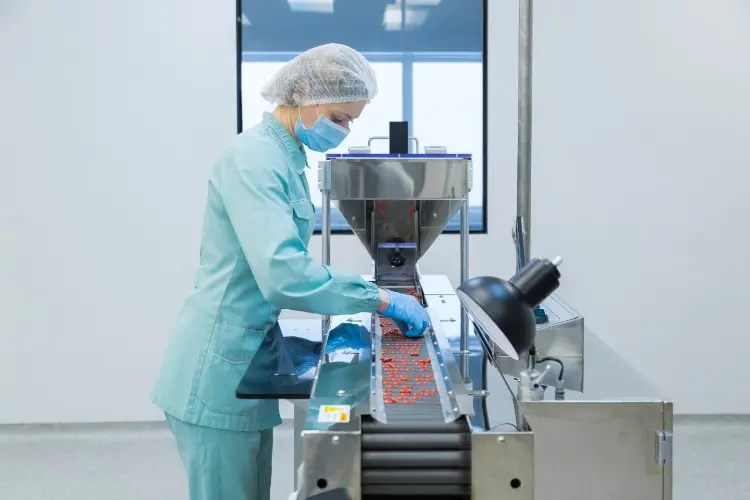
The pharmaceutical industry is one of the biggest users of MCC. It acts as a binder, disintegrant, and filler in tablet and capsule formulations. Without MCC, many tablets would lack structural integrity, leading to poor stability and inconsistent drug release.
Why MCC Matters in Medicine
1. Tablet Binding – Holds ingredients together for a stable pill structure.
2. Disintegration Control – Helps tablets break down effectively for proper absorption.
3. Flow Improvement – Ensures smooth tablet production during manufacturing.
4. Chemical Stability – Prevents moisture absorption, extending shelf life.
The effectiveness of MCC in pharmaceuticals depends on particle size and processing methods like reactive extrusion. These factors influence tablet hardness, porosity, and dissolution rate.
Innovations in MCC-Based Pharmaceuticals
· Sustained-Release Formulations – MCC enhances controlled drug release, improving patient compliance.
· Effervescent Tablets – MCC supports the stability of fast-dissolving medicines.
· Inhalable Powders – Its fine particle size allows MCC to be used in dry powder inhalers.
MCC’s chemical neutrality makes it an ideal pharmaceutical excipient, ensuring compatibility with a wide range of active ingredients.
MCC in Food: Enhancing Texture and Stability
Beyond medicine, MCC plays a significant role in food production. Its natural origin from wood pulp makes it a clean-label ingredient, aligning with consumer demand for transparency and health-conscious products.
Common Food Applications of MCC
· Thickening Agent – Improves consistency in sauces, soups, and dressings.
· Fat Replacement – Reduces calories in dairy products and processed foods.
· Anti-Caking Agent – Prevents powdered ingredients from clumping.
· Stabilizer – Extends shelf life by maintaining product uniformity.
MCC and the Future of Plant-Based Foods
With the rise of plant-based diets, MCC provides a fiber-rich alternative for creating dairy-free cheese, plant-based meats, and gluten-free baked goods. It enhances mouthfeel, giving alternative products a texture similar to their conventional counterparts.
Impact on the Baking Industry
In baked goods, MCC:
· Retains moisture, preventing dryness.
· Improves dough elasticity.
· Enhances freeze-thaw stability for frozen baked products.
For companies striving for healthier formulations, MCC is an invaluable tool for reducing fat and improving texture without artificial additives.

MCC in Cosmetics: A Secret to Better Formulations
MCC’s benefits extend to skincare, makeup, and personal care products. Its moisture-absorbing properties and ability to create a smooth, silky texture make it a popular choice for formulators.
How MCC Enhances Cosmetic Products
· Mattifying Agent – Reduces shine in face powders and foundations.
· Texture Improver – Enhances the spreadability of creams and lotions.
· Mild Abrasive – Provides gentle exfoliation in facial scrubs and toothpaste.
· Stabilizer – Keeps emulsions from separating in skincare products.
Eco-Friendly Skincare Solutions
Unlike synthetic thickeners, MCC is a biodegradable, plant-derived alternative that aligns with sustainability trends in the beauty industry. More brands are replacing microplastics in exfoliants with MCC-based particles to reduce environmental impact.

MCC in Industrial Applications: A Game-Changer in Material Science
Surprisingly, MCC has a strong presence in industrial applications, improving material properties in sectors like packaging, coatings, and filtration.
How Industries Benefit from MCC
1. Biodegradable Plastics – Strengthens bio-based packaging materials.
2. Paint & Coatings – Enhances durability and consistency.
3. Filtration Systems – Acts as an efficient, renewable filter aid.
4. Paper Manufacturing – Improves paper texture and ink absorption.
MCC’s Role in Sustainability
With growing concerns over plastic pollution, researchers are exploring MCC for biodegradable polymers, helping industries transition away from petroleum-based materials. In reactive extrusion, MCC acts as a reinforcing agent in bio-composites, improving their strength and flexibility.

Scientific Processes Behind MCC Production
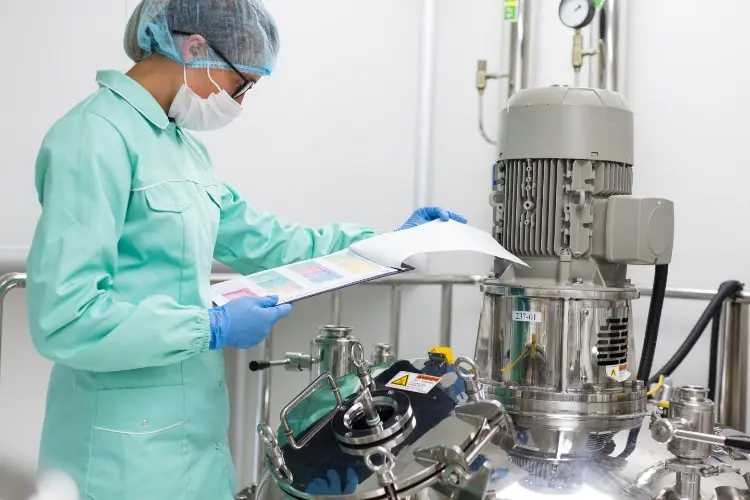
MCC’s unique properties stem from its manufacturing process. It’s not simply ground-up wood pulp—it undergoes advanced processing to achieve its fine, crystalline structure.
Key Steps in MCC Production
1. Steam Explosion and Acid Hydrolysis – Breaks down wood pulp into micro-sized cellulose particles.
2. Neutralization with Mineral Acids – Removes unwanted byproducts and stabilizes MCC’s structure.
3. Drying & Milling – Adjusts particle size to meet different industry needs.
The Role of Particle Size in MCC Performance
· Smaller Particles – Improve compressibility for pharmaceutical tablets.
· Larger Particles – Enhance texture and stability in food and cosmetics.
MCC’s partially depolymerized cellulose structure ensures durability while maintaining high surface area for efficient absorption and stability.
MCC in Future Technologies: What’s Next?
With advancements in reactive extrusion and biopolymer engineering, MCC is being explored for 3D printing, biomedical scaffolds, and nanocellulose innovations.
Emerging Trends in MCC Research
· Smart Drug Delivery – MCC-based nanoparticles enhance targeted medication release.
· Sustainable Packaging – MCC-reinforced films provide eco-friendly alternatives to plastic.
· Energy Storage – MCC-derived carbon materials show promise in battery applications.
As industries prioritize renewable, plant-based materials, MCC’s role will continue to expand.

Conclusion: Why MCC Remains an Essential Ingredient
Microcrystalline Cellulose Powder is one of the most versatile, sustainable, and functional ingredients across diverse industries. Whether used in medicines, food, cosmetics, or industrial applications, MCC’s unique properties and adaptability make it an essential material for manufacturers worldwide.
From enhancing tablet performance to revolutionizing biodegradable plastics, MCC’s impact is undeniable. With continuous innovations in particle size engineering, reactive extrusion, and green chemistry, it remains at the forefront of material science.
For companies looking to develop high-performance, eco-friendly solutions, MCC is more than just an ingredient—it’s the future.