What is the Function of Sugar
Introduction: Our Complicated Love with Sugar
We live in a world where sugar hides everywhere. From soft drinks to baked goods it shows up in nearly every aisle of the supermarket. I often ask myself, what is the function of sugar in our lives? The answer is not as simple as sweet or bad.
Sugar plays many roles in food products and in our health. It acts as a source of energy, a preservative, a flavor booster, and sometimes even a sneaky villain behind weight gain. Let’s explore sugar’s story together and keep it real.
Sugar Basics: What Is It Anyway?
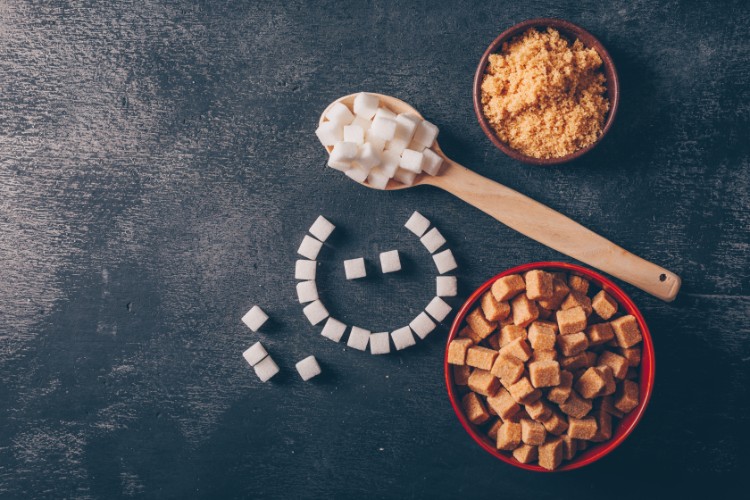
Sugar is a type of carbohydrate. It comes in two main forms:
Naturally occurring sugars found in fruit, milk, and honey
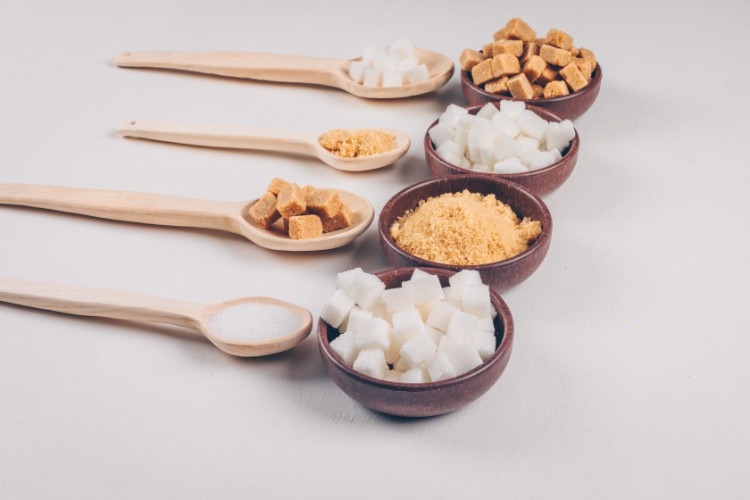
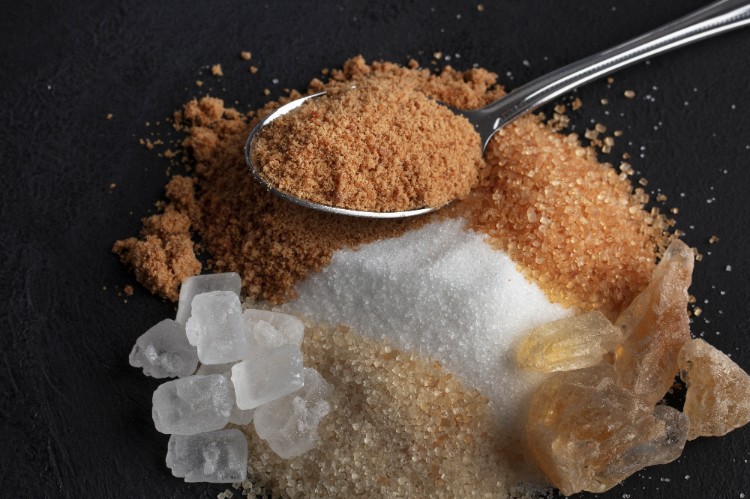
Added sugars like table sugar and brown sugar that manufacturers put in food and drinks
Both give calories but act differently in our bodies. Small amounts can fit into a healthy diet. Too much can create problems like high blood glucose or extra weight gain.
The Role of Sugar in the Food Industry
The food industry depends heavily on sugar. It is not only about sweetness. Sugar plays multiple roles that help food products stay fresh and appealing.
Sugar as a Preservative
One surprising function of sugar is acting as a preservative. It lowers water activity in food. That means bacteria struggle to grow. Jam and jelly last longer because sugar keeps them safe.
Texture and Volume
Baked goods need sugar for texture and volume. Cakes rise better. Cookies stay soft. Without sugar you lose structure. That is why bakers guard sugar content like gold.
Flavor Enhancement
Sugar balances bitter flavors. Coffee without sugar feels harsh. Chocolate without sugar feels almost medicinal. Food and drinks use sugar to round out the taste.
Caramelization and Browning
Think of the golden crust on crème brûlée. That magic comes from sugar’s caramelization. Brown sugar adds not just sweetness but depth of flavor in sauces and desserts.
Sugar and Our Body: The Sweet Science
We cannot talk about sugar without looking at health. Let’s break down what it does inside us.
Source of Energy
Sugar provides quick fuel. It breaks down into glucose, which powers cells. Athletes often use sugar for fast energy during training.
Blood Glucose Control
High sugar intake spikes blood glucose. This stresses the body. Over time it may lead to type 2 diabetes. Choosing smarter sweeteners such as Polydextrose Powder can help manage levels.
Weight Gain and Weight Loss
Excess sugar intake often leads to weight gain. Extra calories hide in soft drinks and desserts. On the flip side, cutting back on high sugar food and drinks supports weight loss.
Sugar and the Small Intestine
Digestion begins in the small intestine. Sugar absorbs quickly here. That explains the fast energy boost after eating sweets. But it also explains the quick crash.
How Much Sugar Is Too Much?
Health experts recommend limiting added sugars. Small amounts can fit in a balanced diet. But modern diets often contain a high sugar load.
The amount of sugar in soft drinks alone is staggering. One can often packs more than the daily recommended limit.
We can make smarter choices by:
Checking sugar content on labels
Limiting sugary soft drinks
Swapping high sugar snacks for fruit
Using alternatives like Polydextrose Powder in recipes
Sugar Alternatives and Smarter Choices
The demand for healthier food products grows every year. That is where functional ingredients like Polydextrose Powder come into play.
Why We Like Polydextrose Powder
It reduces sugar content in baked goods and drinks
It supports digestive health with dietary fiber
It has fewer calories than table sugar
It helps the food industry create better-for-you products
By using such alternatives we can keep sweetness in life without the downside of too much sugar intake.
Everyday Examples: Where Sugar Sneaks In
Sugar hides in more places than you expect.
Baked Goods
Bread, muffins, and cookies contain added sugars. Even “healthy” bread can carry sweeteners.
Soft Drinks
A single soft drink can load you with more sugar than you need for the day.
Sauces and Dressings
Tomato ketchup or salad dressing often surprise us with their sugar content.
Brown Sugar in “Healthy” Recipes
Recipes marketed as wholesome often sneak in brown sugar. It feels healthier but still adds calories.
Conclusion: Sweetness with Awareness
Sugar is not just a villain. It gives food life, makes baked goods fluffy, and acts as a preservative. It fuels our bodies when we need quick energy.
But too much creates real problems. Blood glucose spikes, weight gain, and long-term health risks follow high sugar intake.
The trick is balance. We can enjoy sugar in small amounts while choosing alternatives like Polydextrose Powder. Let’s respect sugar for what it does but not let it run our diets. After all, life is sweeter when we stay in control.
References
Harvard T.H. Chan School of Public Health – The Nutrition Source: Carbohydrates and Sugars
American Heart Association – Added Sugars
World Health Organization – Guideline: Sugars intake for adults and children
U.S. Food and Drug Administration – Added Sugars on the New Nutrition Facts Label