What is Film Coated Tablet Meaning?
What Is Film Coated Tablet Meaning?
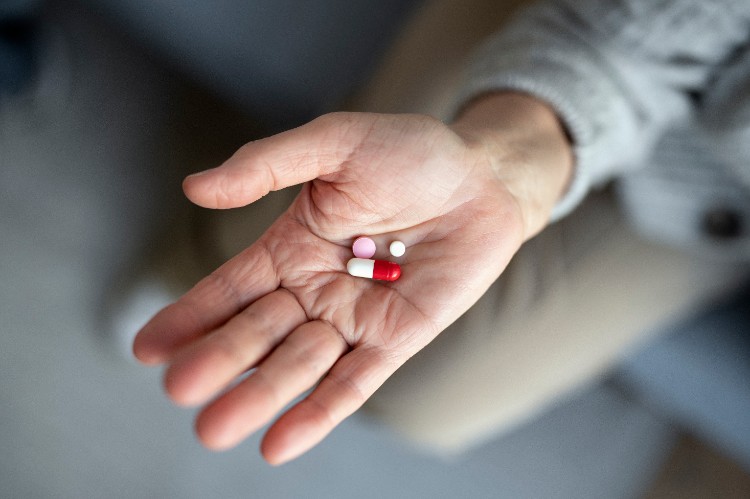
We often see tablets that shine like tiny pearls, wrapped in smooth, colorful layers. But what is film coated tablet meaning? In simple terms, it’s a tablet covered with a thin, uniform film of polymer-based material. This protective layer shields the tablet from moisture, air, and light. It also improves swallowing, masks unpleasant tastes, and controls drug release.
At Shine Health, we believe this isn’t just about appearance—it’s about performance. The film coating formulation transforms an ordinary tablet into a precise, high-functioning pharmaceutical product.
The Purpose of Film Coating
The purpose of film coating goes far beyond aesthetics. It’s a key factor in ensuring drug stability and patient comfort. Here’s what that protective layer actually does:
1. Protects Against Moisture and Oxygen
Moisture can destroy a tablet’s active ingredients. The coating acts as a tight shield that prevents degradation.
2. Masks Bitter Flavors
Some drugs taste unpleasant. Film coating hides those bitter notes so swallowing feels effortless.
3. Improves Swallowability
A smooth surface glides down easily, which is a blessing for people who struggle with large pills.
4. Controls Drug Release
With advanced film coating in pharmaceuticals, the release of the active ingredient can be delayed or targeted to specific body areas.
5. Enhances Product Appearance
A glossy, uniform finish gives confidence—both to patients and manufacturers.
How Are Film Coated Tablets Made?
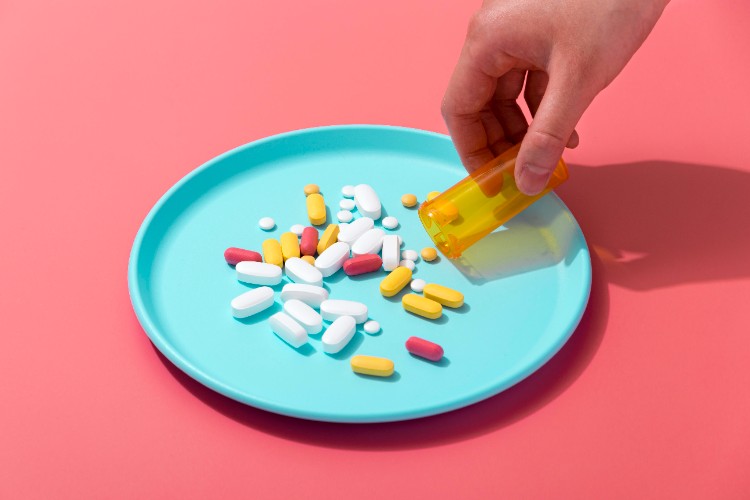
Creating film coated tablets is both science and art. We mix creativity with precision during every stage of the tablet coating process.
Step 1: Core Tablet Preparation
Before coating, tablets must be perfectly compressed, smooth, and free from dust. Any imperfection can ruin coating quality.
Step 2: Choosing the Right Coating Agents Powder
This step is where innovation thrives. The Coating Agents Powder we use contains essential pharmaceutical coating agents, such as polymers, plasticizers, and colorants. Each component plays a distinct role in the coating’s strength, flexibility, and adhesion.
Step 3: Mixing the Coating Solution
The powder mixes with solvents—either aqueous or organic—to form a uniform suspension. This suspension becomes the film coating composition that will soon coat the tablets.
Step 4: Applying the Coating
The tablets tumble in a coating machine for tablets while the solution sprays over them in controlled conditions. Heat and airflow ensure even drying.
Step 5: Polishing and Quality Testing
Once coated, tablets pass through inspection for weight gain, gloss level, and moisture protection performance. Every detail counts.
The Magic Inside: Tablet Coating Ingredients
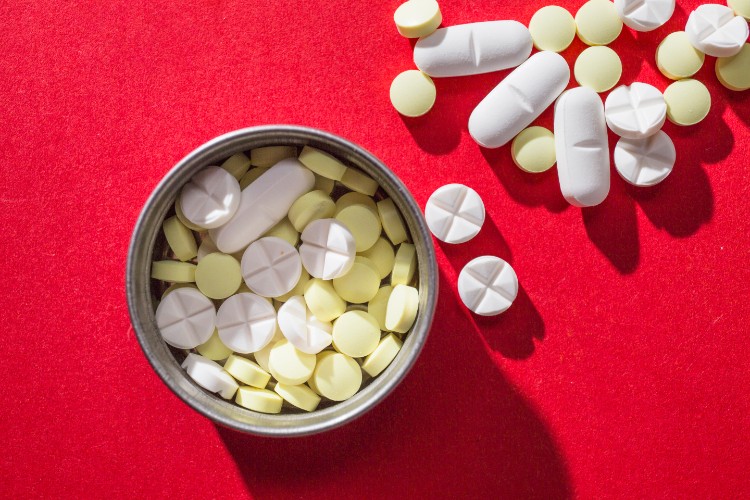
Each tablet coating uses a well-balanced combination of ingredients. Let’s break down the main tablet coating materials and their functions:
Polymers: Form the main film. Common ones include hydroxypropyl methylcellulose (HPMC) and ethyl cellulose.
Plasticizers: Add flexibility to prevent cracks. Examples: polyethylene glycol (PEG) and triethyl citrate.
Pigments: Provide color and opacity, improving brand recognition.
Solvents: Help dissolve and spread materials evenly during the film coating formulation.
Opacifiers: Block light, protecting sensitive drugs.
Flavoring Agents: Mask unpleasant taste when needed.
Together, these components create a perfect protective layer for tablets—strong, elastic, and uniform.
Tablet Coating Types You Should Know
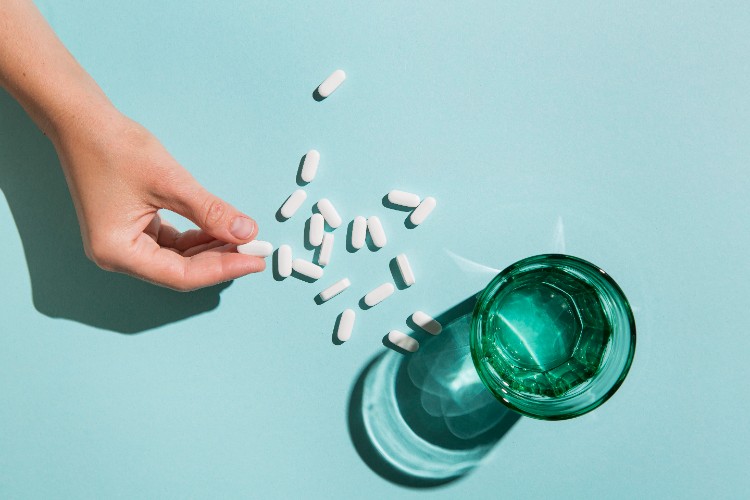
The tablet coating types vary based on function, cost, and drug stability.
1. Film Coating
The modern and most common technique. It uses a polymer film just a few micrometers thick.
2. Sugar Coating
An older method that adds weight and sweetness but takes longer to process. Film coating vs sugar coating? Film coating wins with faster production, thinner layers, and better moisture control.
3. Enteric Coating
Designed to resist stomach acid and dissolve only in the intestine. Enteric coated tablets are ideal for acid-sensitive drugs like enzymes or probiotics.
4. Specialized Coatings
Includes sustained-release and delayed-release coatings that modify how the drug behaves in the body.
Film Coating Formulation: Where Art Meets Science
We craft each film coating formulation with precision. A successful coating depends on multiple parameters:
Viscosity of the coating suspension
Spray rate and atomization air pressure
Inlet air temperature
Tablet bed temperature
Rotation speed of the coating machine for tablets
These parameters shape the final finish, ensuring smoothness and adherence. Small tweaks can mean the difference between a perfect shine and a patchy disaster.
Our Coating Agents Powder simplifies the process by maintaining optimal viscosity and stability under varying production conditions.
Advantages of Film Coated Tablets
Film coated tablets offer a long list of benefits. Here’s why we—and the entire pharmaceutical world—love them:
Enhanced Stability: Protects against environmental damage.
Taste Masking: Patients won’t taste the bitter side of medicine.
Better Compliance: Attractive appearance and easy swallowing improve adherence.
Accurate Dosage Control: Prevents drug loss from surface abrasion.
Moisture Protection: The coating keeps tablets stable in humid climates.
Improved Branding: Allows clear printing of logos and information.
From a manufacturer’s view, the tablet coating technology also improves process efficiency and reduces waste.
Film Coating vs Sugar Coating: A Quick Comparison
Parameter | Film Coating | Sugar Coating |
Thickness | Thin (10–100 μm) | Thick (0.5–2 mm) |
Weight Gain | 2–5% | 30–50% |
Time Required | Short | Long |
Moisture Protection | Excellent | Moderate |
Taste Masking | Good | Excellent |
Gloss | Medium | High |
Production Cost | Lower | Higher |
Film coating clearly dominates due to efficiency, weight savings, and versatility.
Moisture Protection in Tablet Coating
Humidity can destroy sensitive drugs. That’s why moisture protection in tablet coating is vital.
We carefully balance polymer and plasticizer ratios in our Coating Agents Powder to create a water-resistant barrier. A good coating not only repels moisture but also prevents the tablet core from absorbing air-borne contaminants.
Pharmaceutical Excipients: Unsung Heroes
Behind every successful tablet lies a cast of invisible helpers—pharmaceutical excipients. These materials ensure proper adhesion, flexibility, and drying. Without them, even the most advanced tablet coating technology would crumble.
Our experience shows that adjusting excipient concentration can change film thickness, gloss, and even the time it takes for the film to dry. The art lies in balancing performance with cost.
Why We Care About Film Coating Technology
At Shine Health, we see coating not as a finishing touch but as an integral part of drug design. Our Coating Agents Powder helps pharmaceutical partners produce tablets that last longer, look better, and perform reliably under stress.
When we develop coating materials, we think like patients. We imagine that first moment of swallowing—no bitter taste, no rough edges, just comfort. That emotional connection drives our innovation.
Final Thoughts
So, what is film coated tablet meaning? It’s more than just a shiny cover. It’s the science of protection, the art of formulation, and the promise of performance.
Each layer tells a story—of safety, efficiency, and patient comfort. From moisture resistance to elegance, film coating stands as a symbol of pharmaceutical advancement.
At Shine Health, we’re proud to contribute to that story with our cutting-edge Coating Agents Powder, built for the future of medicine.