What is the coating on tablets?
Introduction: The Mystery of Tablet Coatings
We have all held a pill and wondered, What is the coating on tablets really for? At Shine Health we ask the same question every day because we design solutions that make medicine safer and easier to take.
That glossy surface is not decoration. It is science at work. Each layer is designed with intention.
Some films protect sensitive drugs. Others mask bitter flavors. Still others ensure the medicine reaches the right part of the gastrointestinal tract.
When I first learned about coatings, I was surprised by how much goes into them. Behind that shiny finish lies chemistry, engineering, and patient psychology. The tablet coating process is a story of innovation, and today we’ll unpack it together.
What Is the Coating on Tablets?
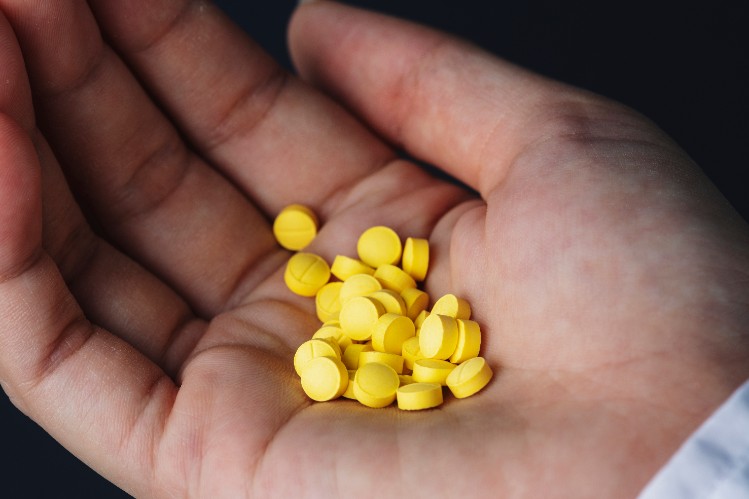
The coating is a thin film that wraps around the tablet’s active pharmaceutical ingredient. This protective barrier acts like armor. It guards against air, light, or moisture.
Without it, many sensitive drugs would lose their strength before reaching patients. Others would taste so bitter that compliance would drop. Nobody wants to chew chalky powder when they are already feeling sick.
Think of the coating like a raincoat. Just as we wear jackets to protect against storms, drugs wear films to survive the rough weather inside the body.
Why Do We Use Tablet Coatings?
Protection of the Drug
Some medicines degrade quickly in oxygen. Others react to humidity. A polymer film seals the tablet and keeps these enemies out. As a result, shelf life improves, and stability stays intact.
Patient Compliance
Swallowing rough, bitter tablets can discourage people from taking them. Coatings solve that. They create a smooth, polished surface that glides down the throat.
Many even hide strong or metallic flavors. This one detail helps boost patient compliance more than most realize.
Control of Drug Release
The coating is like a traffic light for medicine. It can tell a pill to dissolve instantly or hold off until it reaches the intestine. Delayed release systems reduce side effects and increase effectiveness. For example, enteric coated tablets skip the stomach entirely.
Branding and Safety
Colorful coatings also help with identification. When each tablet looks unique, patients and doctors avoid confusion. This lowers the risk of mixing up dosage forms.
Types of Coating in Modern Medicine
1. Film Coated Tablets
These dominate the pharmaceutical market. A film coating process creates a uniform polymer film using either aqueous film coating or organic solvent solutions.
Advantages include:
· Minimal weight increase
· Fast production
· Flexible yet strong finish
Film coated tablets may not be glamorous, but they deliver performance without fuss.
2. Enteric Coatings
Some drugs break down in stomach acid. Enteric coatings resist acid and release medicine only in the intestine. Perfect for enzymes, probiotics, or drugs that irritate the stomach lining.
Features include:
· Acid resistance
· pH-dependent dissolution
· Targeted release in the small intestine
Imagine a medicine that only “wakes up” once it passes the stomach. That’s the beauty of enteric systems.
3. Sugar Coating
A tradition in pharmaceuticals. While less common today, sugar layers still appear in vitamins and supplements. They create a colorful, shiny pill that looks like candy.
Benefits:
· Attractive glossy finish
· Sweet taste
· Thick barrier
Downsides:
· Time-consuming process
· Higher weight
· Less control of drug release
4. Delayed Release Systems
These coatings allow controlled dosing over hours. Patients take fewer pills, yet maintain steady blood levels of the drug.
Examples include:
· Extended-release pain tablets
· Night-time release sleep aids
This system feels almost futuristic, but it is here now.
The Tablet Coating Process Explained
Step 1: Preparation of Cores
Every journey begins with a compressed core. This contains the active pharmaceutical ingredient plus binders, fillers, and other excipients.
Step 2: Coating Solutions
Next, we prepare liquid sprays. Aqueous film coating is safer and eco-friendly. Organic solvent systems work faster but raise safety concerns.
Step 3: Application
Cores tumble inside a rotating drum. Spray nozzles apply the coating solutions while warm air flows in. The mixture spreads evenly across the tablet surface.
Step 4: Drying
Hot air evaporates water or solvent. The remaining layer forms a polymer film that acts as a protective barrier.
Step 5: Repeat Until Perfect
The cycle continues until the coating reaches the right thickness, gloss, and durability. The tablet coating process demands patience, precision, and quality checks at every stage.
Benefits Beyond the Science
Easier Swallowing
A polished coating glides like butter. Patients no longer struggle with rough chalky surfaces.
Better Shelf Life
Coated tablets tolerate shipping and storage with less breakage. Pharmacies prefer them for stability and durability.
Flexible Dosage Forms
Some tablets carry multiple APIs separated by layers. This design enables new therapies in smaller packages.
Stronger Branding
Colors, imprints, and textures add recognition. One quick look prevents mix-ups.
Challenges in Coating Development
We love coatings, but we also admit the road is bumpy.
Main challenges include:
1. Picking the right type of coating for each drug
2. Preventing cracks or peeling during drying
3. Balancing moisture in aqueous film coating
4. Handling flammability in organic solvent systems
5. Keeping costs low without losing quality
Every challenge demands problem-solving and creativity.
Real-World Examples of Coatings
· Aspirin: Often uses enteric coatings to prevent stomach irritation
· Probiotics: Protected by delayed release to survive gastric acid
· Vitamin tablets: Commonly sugar-coated for taste and shine
· Antibiotics: Film coated tablets that swallow easily and resist humidity
Each product tells a story of why coatings matter.
The Future of Coating Technology
We believe coatings will soon be smarter. Imagine a pill that only dissolves when blood sugar rises. Or a film that changes color when stored at the wrong temperature.
Research already explores:
· Biodegradable Coating Agents
· Nanoparticle-based films for precision targeting
· Heat-sensitive layers for personalized therapy
The future goes beyond “protect the drug.” It aims to actively support health outcomes.
Quick Recap: Why Coatings Matter
· Guard sensitive drugs from damage
· Improve taste and swallowing
· Control drug release with precision
· Strengthen patient compliance
· Support modern dosage forms
The next time you take a pill, remember the unseen effort behind that shiny shell.
FAQ: Common Questions About Tablet Coatings
What is the coating on tablets made of?
Most coatings contain polymers, plasticizers, and colorants. Some use sugars or cellulose derivatives.
Do coatings change how fast a pill works?
Yes. Delayed release and enteric coated tablets alter the timing and location of dissolution.
Are coatings safe to eat?
Absolutely. Regulators approve coating materials for safety, digestibility, and tolerance.
Why do some tablets have no coating?
Simple tablets without coatings often contain stable, mild APIs that need no extra protection.
Is sugar coating still common?
Less so today. Film coated tablets replaced sugar due to speed, durability, and better control.
Conclusion: Our Perspective
At Shine Health, we see coatings as more than chemistry. They are a bridge between science and comfort. Every tablet coating process we refine reminds us of our mission: to protect patients while making their lives easier.
That glossy film you see on your medicine is not a luxury. It is the result of decades of research, testing, and innovation. Next time you hold a pill, smile. You are holding a tiny masterpiece of pharmaceutical engineering.