What Microcrystalline Cellulose Really Does to Your Body
We’re Shine Health. We make Microcrystalline Cellulose Powder from natural wood pulp, and it shows up in more food products than you'd expect.
If you’ve ever asked, “What does microcrystalline cellulose do to the body?” you’re in the right place. Let’s walk through the science—no boring fluff, just the real deal.
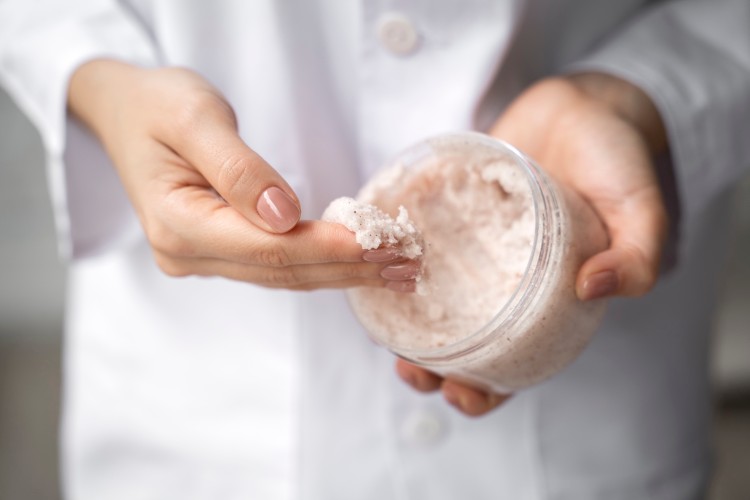
What’s Inside This White Powder?
First off, Microcrystalline Cellulose (MCC) isn’t magic. It’s nature, processed just right. We take wood pulp, hit it with mineral acids, and pull out pure partially depolymerized cellulose. What’s left is a clean, neutral powder.
Here’s the fun part. It’s composed of glucose units—yep, sugar—but they’re locked together with tough 1-4 beta glycosidic bonds. That structure builds a tight crystalline network, which makes MCC:
· Chemically stable
· Insoluble in water
· Flavorless
· Functional across industries
We also tweak the particle size to fit the need—whether it’s for pharmaceutical food, tablets, snacks, or sauces.
What Does Microcrystalline Cellulose Do to the Body?
Now to the burning question. What does microcrystalline cellulose do to the body?
Turns out—your body doesn't digest it. Not even a little. Thanks to the 1-4 bonds, it skips digestion entirely and moves through like a polite guest that cleans up after itself.
But here’s how it helps:
1. Boosts Bowel Movement
MCC adds bulk to stool and supports gut rhythm. It behaves like insoluble fiber, promoting smoother trips to the bathroom.
2. Slows Digestion Slightly
That’s a good thing. MCC helps regulate how fast your gut absorbs nutrients. Your body stays fueled longer.
3. Adds Texture Without Calories
As a bulking agent, it adds volume to food. More bite, no guilt.
4. Keeps Supplements in Shape
MCC works as a binder. It holds pills together so they don’t crumble—and helps them dissolve at the right time.
Where Do We Use MCC?
This fiber doesn’t just work behind the scenes. It’s everywhere.
In food products, it’s a quiet hero:
· Keeps powdered cheese dry (hello pizza night)
· Adds creaminess to dressings
· Improves crunch in bars
In pharmaceutical food, it acts as:
· Anti-caking agent
· Filler
· Disintegrant
No drama. Just clean, consistent performance every time.
Even your toothpaste may contain MCC. It helps maintain texture and spread. Ice cream? Yep. MCC helps it feel rich without relying on fat.
Safe to Eat or Skip It?
Let’s clear this up. MCC is safe. Our bodies don’t absorb it. It doesn’t stay behind or build up. It passes through like fiber—and does its job on the way.
A few people might experience:
· Bloating
· Gas
· Cramping
This usually happens if you load up too quickly. The fix? Start small. Add water. Your body will catch up.
Fun tip: Water makes MCC work better. Hydration powers its bulking effect and keeps your gut comfy.
Wrap-Up: Fiber from Wood, Benefits for You
Still wondering what this stuff really does?
Let’s recap what microcrystalline cellulose mcc delivers:
· It’s composed of glucose units connected by powerful 1-4 beta bonds
· Made from wood pulp, cleaned with mineral acids
· Acts as fiber—cleans you out and keeps digestion smooth
· Supports supplement design
· Adds texture and structure to foods
· Insoluble in water and free from calories
We build our Microcrystalline Cellulose Powder with care—from particle size to purity. We make sure it performs exactly where it’s needed, whether in your shake, your supplement, or your snack.
At Shine Health, we’re passionate about ingredients that do more than fill a label. MCC may not be digestible—but it sure makes a difference.