The Secret Life of Excipients
What Exactly Are Excipients?
We often think about medicine as pure active ingredients, but that’s only half the story. In reality, every tablet or capsule hides a secret crew of helpers—Excipients. These unsung heroes stabilize, shape, and deliver drugs with precision. Without them, your pills would crumble, your capsules might melt, and your body would absorb medicine unevenly.
In the world of pharmaceutical products, excipients act like supporting actors in a blockbuster movie. The star (active ingredient) gets the fame, but the supporting cast makes the story work.

Why We Can’t Ignore Excipients
Here’s a fact that might surprise you—most drug formulations contain more excipients than active substances. These substances ensure:
Smooth manufacturing process
Accurate dosage form
Controlled drug release in the small intestine
Improved taste and texture for chewable or liquid formulations
They might sound boring, but trust us, without them, modern medicine would fall apart—literally.
Common Excipients and Their Superpowers
Let’s toggle the table of contents of this fascinating subject—like you would on Wikipedia, the free encyclopedia—and take a closer look at some household excipients that quietly save the day.
1. Corn Starch: The Shape Shifter
Corn Starch doesn’t just thicken your favorite pudding. In drug products, it acts as a binder and disintegrant. That means it helps tablets hold together and break apart just at the right time.
When the tablet reaches the small intestine, the starch swells and helps the medicine dissolve quickly, ensuring efficient absorption.
It’s also used as a food additive, bringing a smooth texture to dairy and snack items. In short, it’s everywhere—from your lunch to your medicine cabinet.

2. Lactose: The Sweet Stabilizer
We all know Lactose from dairy products, but it plays a big role in the pharmaceutical world, too. As a filler, lactose gives tablets their shape and consistency.
But here’s the twist—some people can’t digest lactose because their bodies lack lactase. That’s why lactose-free medicines exist. If you’re lactose intolerant, always check the label before taking tablets or capsules.
And yes, some allergic reactions happen due to lactose excipients, though these cases are rare. Always consult your healthcare provider before starting a new medication.

3. Magnesium Stearate: The Smooth Operator
Magnesium Stearate may sound chemical, but it’s derived from stearic acid—a natural fatty acid found in vegetables and animals. It’s one of the most widely used coating agents in the pharmaceutical industry.
Think of it as the non-stick coating in your frying pan. It keeps powders from clumping together and ensures every tablet slides smoothly through the production line.
A small amount of Magnesium Stearate can make or break a manufacturing process. That’s the power of chemistry at work.
4. Microcrystalline Cellulose: The Pill Architect
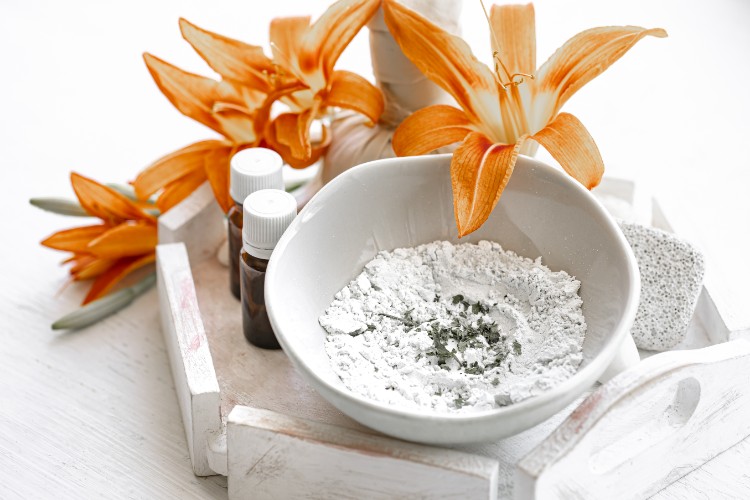
Microcrystalline Cellulose (MCC) is a plant-derived powder with incredible binding ability. It builds strong yet easily disintegrating tablets.
In tablet and capsule formulations, MCC offers stability and flexibility. It’s non-toxic, tasteless, and resistant to moisture—making it a perfect backbone for modern pharmaceutical products.
Beyond drugs, MCC is a beloved food additive. It enhances texture and mouthfeel, especially in low-fat and sugar-free foods. Who knew plant cell walls could be so handy?
5. Dextrin: The Invisible Helper
Dextrin, a starch derivative, works as a coating, thickener, and stabilizer. In your digestive system, it behaves like a soluble fiber, supporting gut health while aiding in medicine absorption.
Some forms of dextrin resist digestion, reaching the small intestine intact. This property not only benefits drug delivery but also supports healthy gut bacteria.
In the United States, Dextrin enjoys GRAS (Generally Recognized As Safe) status, proving it’s a trustworthy friend to the immune system and the stomach alike.

How Excipients Affect the Digestive System
Here’s where things get fascinating. Once swallowed, your pill travels through the digestive system, facing stomach acid, bile, and enzymes. Without proper excipients, the active drug could break down too early or too late.
Coating agents like Magnesium Stearate and Dextrin ensure that tablets survive long enough to reach the small intestine, where absorption happens best. It’s a delicate balance between chemistry and biology—a perfect dance of molecular design and timing.
Excipients and the Immune System
While most excipients are safe, the immune system sometimes mistakes them for invaders. That’s how allergic reactions start.
Common symptoms include mild rashes or digestive upset, though severe cases are rare. Still, the pharmaceutical industry constantly refines chemical structures to reduce such risks.
This commitment to safety shows why manufacturing processes are so heavily regulated in the United States.
How We Use Excipients in Our Work
At Shine Health, we treat excipient formulation like an art form. Every powder, crystal, and coating agent we produce must perform perfectly—whether in pharmaceutical products, food additives, or dietary supplements.
Our team experiments with ratios, molecular bonds, and fatty acids to create excipients that blend smoothly and dissolve reliably.
And yes, we sometimes laugh about it in the lab. After all, making pills look perfect can feel like sculpting art from starch and cellulose.
A Small Amount Makes a Big Difference
It’s easy to underestimate the role of excipients. But just a small amount can define how your medicine behaves inside your body.
Whether it’s a coating agent protecting a capsule or Corn Starch holding it together, each ingredient plays its part with precision.
Think of excipients as the unsung guardians of health—the behind-the-scenes engineers ensuring every pill works as intended.
Conclusion: The Hidden Heroes of Medicine
So, the next time you take your vitamins or prescription drugs, take a moment to thank these invisible helpers. Excipients are the quiet backbone of modern pharmaceuticals, bridging chemistry and human biology in perfect harmony.
At Shine Health, we’re proud to craft these vital materials that bring stability, safety, and innovation to the world’s pharmaceutical products.
Our mission? Keep your medicine working smarter, smoother, and safer—one molecule at a time.