Is Polydextrose a Sugar Alcohol?
Introduction: The Sugar Confusion Ends Here
Let’s be honest—food labels have become a battlefield of buzzwords. “No sugar added.” “Sugar-free.” “Low glycemic.” Then comes Polydextrose and everyone’s scratching their heads: Is Polydextrose a sugar alcohol?
We totally get the confusion. As Shine Health, we produce Polydextrose Powder with pride, so we feel responsible to explain it in plain English. This article dives into the science, the myths, and the actual impact this little-known soluble fiber has on your health—and your snacks.
Polydextrose 101: What Exactly Is It?
First things first—Polydextrose is not a sugar alcohol.
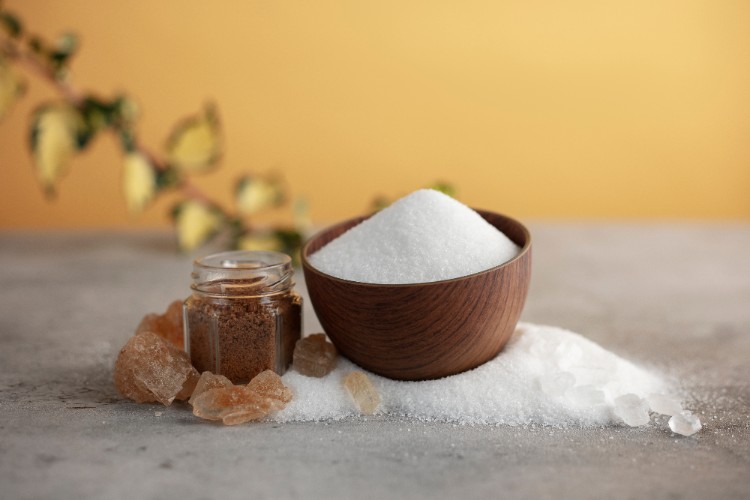
It’s a synthetic dietary fiber, made by combining glucose, sorbitol, and a dash of citric acid. Sounds like a dessert recipe, but this combo produces a white, tasteless powder that plays a critical role in food products. From chewy bars to soft-baked cookies, it mimics sugar’s volume and mouthfeel—without the calorie spike.
Physical Properties
· Form: White, fine powder
· Taste: Mild to no sweetness
· Solubility: Highly soluble in water
· Caloric Value: About 1 kcal/g (compare that to sugar’s 4!)
· Digestibility: Mostly undigested
In other words, it gives food structure and texture, not sweetness.
Is Polydextrose a Sugar Alcohol? Let’s Set the Record Straight
We’ve seen the question pop up time and time again: “Is Polydextrose a sugar alcohol?” Here’s the short, sweet answer: No. It’s not.
Why the Mix-Up Happens
Polydextrose contains sorbitol (a known sugar alcohol) in its production process. But that doesn’t make it one. Think of it like adding eggs to a cake. The cake isn’t an egg. Same logic here.
Sugar alcohols (polyols) like sorbitol, xylitol, erythritol, and mannitol:
· Occur naturally in fruits or are manufactured
· Are sweet to the taste
· Are partially absorbed in the small intestine
· Commonly cause gastrointestinal symptoms in large doses
Polydextrose, on the other hand:
· Has minimal sweetness
· Is mostly not absorbed in the small intestine
· Functions like fiber, not sugar
· Is used in small amounts for functional roles, not flavor
So while it’s made using a sugar alcohol—it is chemically, functionally, and nutritionally distinct from one.
How Does Polydextrose Work in Foods?
We love using Polydextrose Powder in food because it wears many hats. It’s not flashy or famous—but it gets the job done beautifully.
Roles in Food Products
1. Bulking Agent
2. Adds volume where sugar has been removed—think protein bars, keto snacks, and sugar-free gum.
3. Fiber Booster
4. Works as a soluble fiber, improving gut health and bowel movements.
5. Calorie Cutter
6. Replaces high-calorie digestible carbohydrates, reducing energy intake.
7. Moisture Retention
8. Keeps baked goods soft and chewy for longer shelf life.
9. Texture Stabilizer
10. Adds body to ice creams, puddings, and sauces without unwanted aftertaste.
This ingredient doesn’t just exist in food—it transforms it.
Digestive Journey: What Happens After You Eat It?
Here’s where things get a little nerdy—but stick with us.
Unlike sugar, Polydextrose isn’t digested in the upper digestive tract. Instead, it passes through the stomach and small intestine almost untouched. Once it reaches the colon, fermentation kicks in.
Bacteria in the colon ferment polydextrose into short-chain fatty acids (SCFAs). These SCFAs help nourish gut cells and support immune function.
What You Feel (Or Don’t)
· Blood glucose stays stable
· You feel full longer
· Minimal gas or bloating, unless you overdo it
· No spike in insulin response
So while it's a carbohydrate, it behaves more like a team player in the fiber squad.
Why We Swear by Polydextrose
Okay—we might be biased. But even without our manufacturing hats on, we truly believe in the health benefits of Polydextrose. And no, that’s not marketing talk—it’s backed by science.
6 Evidence-Based Health Wins
1. ✅ Helps control appetite – Boosts satiety and reduces overall food intake
2. ✅ Improves bowel movements – Adds bulk to stool and reduces constipation
3. ✅ Supports blood sugar control – No dramatic glucose swings
4. ✅ Aids in weight management – Fewer calories per gram
5. ✅ Promotes gut health – Ferments into gut-friendly SCFAs
6. ✅ May reduce cholesterol – Soluble fiber like polydextrose can bind bile acids
Whether you’re into clean eating, keto, low-carb, or diabetic-friendly diets, this fiber has a place at your table.
But Wait—Are There Side Effects?
Let’s keep it real.
Polydextrose is safe. It’s approved by both the Food and Drug Administration (FDA) and the World Health Organization (WHO). But, like with all food additives, moderation is key.
Possible Adverse Effects
· Mild bloating or gas (especially if you overconsume)
· Loose stools if consumed in very large amounts (above 15–20g per day)
· Rare intolerance in highly sensitive individuals
For most people? It’s a smooth ride.
Pro tip: Start small. Let your digestive system adjust.
Sugar Alcohols vs. Polydextrose: The Final Showdown
You’ve heard of xylitol causing tummy troubles or sorbitol leading to laxative effects. Sugar alcohols come with benefits—but also some baggage.
Polydextrose Powder brings fewer calories, more fiber, and fewer gastrointestinal symptoms.
Head-to-Head Table
Feature | Sugar Alcohols | Polydextrose |
Sweetness | High | Very Low |
Fiber Content | None | High |
Common Use | Sweetener | Bulking Agent |
Calories per gram | ~2.4 | ~1 |
Effect on Blood Sugar | Minimal | None |
Digestibility | Partial | Mostly Undigested |
Side Effects in High Doses | Cramping, diarrhea | Mild gas if overconsumed |
Verdict? Sugar alcohols are sweet—but Polydextrose plays the long game.
Real-Life Applications: Where You’ll Find It
If you’re reading food labels (we always do), you’ll notice Polydextrose Powder popping up in:
· Baked goods: Brownies, muffins, and cookies
· Ice creams and frozen desserts
· Fiber-enriched snacks
· Meal replacement bars
· High-protein shakes
· Low-sugar candies
Why do brands love it? Because it does what sugar can’t—without the crash.
Global Regulations and Acceptance
As global manufacturers, we keep an eye on food law everywhere. Good news—Polydextrose gets the green light worldwide.
Key Regulatory Approvals
· ✅ FDA GRAS status (Generally Recognized As Safe)
· ✅ WHO and FAO approve it as a functional fiber
· ✅ European Food Safety Authority includes it in approved dietary fibers
· ✅ China, Japan, and South Korea accept its use in food formulations
The science is strong. The global trust? Even stronger.
Who Should Consider Using Polydextrose?
We recommend Polydextrose Powder for:
· Food manufacturers aiming to cut sugar and boost fiber
· Nutrition brands developing gut-friendly or low-carb products
· Bakers who want structure without the sweet
· Consumers managing blood glucose or seeking digestible carbohydrates alternatives
· Keto, paleo, diabetic, and low-FODMAP dieters
Honestly, it’s for anyone who wants the benefits of fiber without the bulk of traditional sources.
What Makes Shine Health Polydextrose Unique?
We don’t just make it. We refine it, purify it, and tailor it.
Our Polydextrose Powder meets international purity standards, remains non-GMO, and delivers consistent functionality across batches. Whether you’re formulating a snack bar or functional dairy drink, we’ve got the experience and tech to support your next hit product.
The Bottom Line
Let’s circle back to the original question: Is Polydextrose a sugar alcohol?
No. Not by function, not by chemistry, not by digestion.
It’s a fiber, a bulking agent, and a functional ingredient that makes modern food smarter. It doesn’t spike blood sugar. It doesn’t overload your system. And it doesn’t sacrifice taste.
At Shine Health, we believe in science, flavor, and function living in harmony. That’s why we continue to innovate and produce high-quality Polydextrose Powder that meets real-world needs.
Final Recap: Quick Takeaways
· ❌ Not a sugar alcohol
· ✅ A soluble fiber with multiple health benefits
· 🚫 No major adverse effects in normal use
· 🍪 Used in baked goods, ice creams, and more
· 🌎 Backed by FDA, WHO, EFSA, and others
Have more questions? We’re one email away. Or better yet—let’s collaborate and build something functional.