Is Polydextrose Really a Sweetener?
Polydextrose—now there's a name that sounds like it came out of a chemistry lab. But as food manufacturers, we know better. At Shine Health, we’ve worked with Organic Polydextrose Powder long enough to understand what it truly is: a versatile Dietary Fiber that sometimes masquerades as a sweetener. Still, one big question sticks around...
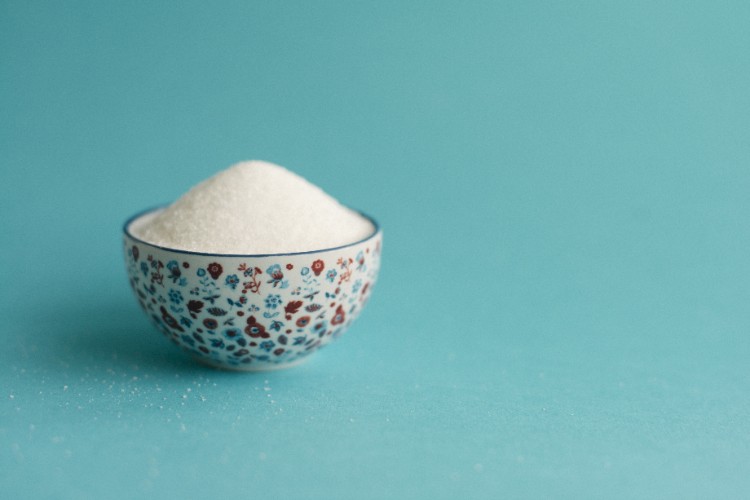
👉Is Polydextrose a sweetener?
Let’s clear the air and dig deep into the science, history, and surprising uses of this food additive.
What is Polydextrose, Anyway?
Polydextrose isn’t sugar in the traditional sense. Chemically, it’s a synthetic polymer made from glucose, sorbitol, and a tiny bit of citric acid. Think of it as a functional filler—not a full-time sweetener.
Why do people confuse it with sugar?
1. It has a slightly sweet taste
2. It shows up in low-calorie food products
3. It's often grouped with sweeteners in food labels
But here's the twist—polydextrose contains just 1 kcal/gram, while sugar jumps to 4 kcal/gram. So yes, it adds bulk and a hint of sweetness—but calling it a full-on sweetener is a bit of a stretch.
Functions of Polydextrose in Food
Let me tell you—Organic Polydextrose Powder wears many hats in food manufacturing. Here’s how we see it operate in our industry:
It adds bulk
We often use it as a bulking agent in reduced-sugar foods. When sugar is cut from a recipe, something has to take its place physically. That’s polydextrose’s time to shine.
It enhances texture
Polydextrose gives products a richer mouthfeel. Without it, some low-calorie foods feel watery or flat.
It stabilizes and improves shelf life
That fiber holds onto moisture and keeps things fresh longer. It’s low-key essential for longevity.
It mildly sweetens
No, it doesn’t replace sugar entirely—but it adds that touch of sweet background flavor, usually rated at 5%-10% of sugar's sweetness.
So while polydextrose walks near sweeteners, it doesn’t quite cross that line. It’s more like a sweetener’s sidekick.
Is It Healthy? We Get This a Lot
You bet. Polydextrose has a decent resume when it comes to health.
Gut Health Superstar
Clinical studies like Hengst C, Ptok S, Roessler A, Fechner A, Jahreis G: Effects of polydextrose supplementation on different faecal parameters in healthy volunteers show that this fiber boosts beneficial bacteria, softens stools, and improves regularity. Sounds like a win for your gut.
Appetite and Weight Control
Because it's a soluble dietary fiber, polydextrose slows digestion. That helps with satiety. You feel full longer and snack less. One study from Rev Food Sci Rev 2007 65 showed that polydextrose intake helped reduce calorie consumption over time.
Blood Sugar Friendly
This one’s personal. We’ve seen food products with polydextrose help maintain stable blood glucose levels, which makes it a favorite in diabetic-friendly formulations.
Clinical Studies That Matter
Polydextrose isn’t just a fad. Decades of toleration studies back it up. One standout is from JF Hayes KC, where polydextrose showed excellent tolerance even at high doses. No bloating. No discomfort.
Another clinical trial looked at its functions in Chinese people and revealed that polydextrose intake on physiologic functions improved both gut flora and immune response. That’s huge for food developers targeting Asian markets.
Want more science?
· Craig SAS, Holden JF, Troup JP, Auerbach MH also backed its safety and effectiveness in food additive roles.
· Flood MT, Auerbach MH, Craig SA concluded it's safe for long-term use.
Yes—it’s fiber. Yes—it mimics sweeteners. But most importantly, it’s backed by real research.
Comparing Polydextrose to Sweeteners
Let’s go visual and real:
Property | Polydextrose | Sugar | Artificial Sweetener |
Sweetness (%) | 5–10% of sucrose | 100% | 200–700% |
Calories (kcal/g) | ~1 | ~4 | ~0 |
Fiber Content | Yes | No | No |
Glycemic Index | Very Low | High | Very Low |
Texture Role | Yes | Yes | No |
In short, polydextrose doesn’t win on sweetness, but it shines in health, texture, and functionality.
When Should You Use Polydextrose?
If you're developing:
· Low-calorie chocolates
· High-fiber snacks
· Meal replacement drinks
· Fiber-fortified dairy
· Functional bakery products
...then Organic Polydextrose Powder should be in your toolkit. It plays nice with sorbitol and citric acid, and works in both hot-fill and cold-fill processes.
Pro tip from us at Shine Health:
Blend it with high-intensity sweeteners. You get sweetness + fiber + texture, all without adding bulk sugar.
Myth-Busting Time
Let’s bust some common myths:
1. Myth: It’s a sugar.
2. Truth: It’s made from sugar, but it behaves like fiber.
3. Myth: It has no health value.
4. Truth: It improves gut flora and regulates digestion.
5. Myth: It causes stomach problems.
6. Truth: Most toleration studies show it’s safe at regular intake levels.
So... Is Polydextrose a Sweetener?
Technically? No.
Functionally? Sometimes.
In spirit? Kind of.
At Shine Health, we see it as a functional dietary fiber that happens to lend a touch of sweetness. Its primary roles lie in improving texture, boosting fiber, and reducing calorie load. If that’s not smart formulation—we don’t know what is.
Final Thoughts from Our Team
We believe Organic Polydextrose Powder isn’t just a clever tool. It’s a bridge between health and indulgence. A silent hero that keeps your products tasty, clean-label, and gut-friendly.
So next time you scan a food label and spot polydextrose, don’t write it off. It’s not trying to replace sugar—it’s doing something better.
📚 References
2. Flood MT, Auerbach MH, Craig SA. Safety Review