Is Microcrystalline Cellulose Water Soluble?
Microcrystalline Cellulose—often called MCC—feels like magic in powder form. It bulks, stabilizes, flows like silk, and refuses to clump. But one question always pops up:
Is Microcrystalline Cellulose Water Soluble?
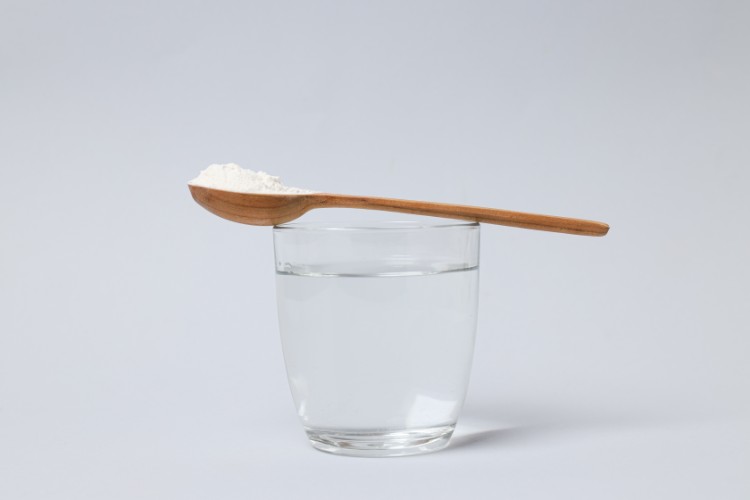
As a Microcrystalline Cellulose Manufacturer, we get this question more than you'd expect. Today we’re unpacking the science behind MCC's solubility and throwing in some unexpected surprises along the way.
Let’s stir things up.
What Exactly Is Microcrystalline Cellulose?
We don’t blame anyone for finding the name intimidating. It sounds like something from a chemistry textbook—and in some ways, it is.
But at its core, Microcrystalline Cellulose (MCC) is just partially depolymerized cellulose derived from purified wood pulp using acid hydrolysis. It’s what’s left when you strip plant fiber down to its skeleton. Think: strong structure minus the fluff.
In the food and pharma world, MCC serves as:
· A bulking agent
· A binder in tablets
· One of the best anti caking agents
· An excellent emulsion stabilizing tool
Water Solubility: The Honest Answer
Let’s not dance around it.
Is Microcrystalline Cellulose Water Soluble?
No. It’s insoluble in water. Always has been. Always will be.
That might sound like a flaw—but it’s actually a design feature. Here’s why:
Why Insolubility Is a Superpower
1. Structure Preservation
MCC doesn’t dissolve because its degree of polymerization is too low to unravel in water.
2. Stable Texture
You get the benefit of bulk without soggy breakdown.
3. Performance Under Pressure
It withstands mineral acids, holds shape in humid environments, and remains shelf-stable.
This means MCC doesn’t dissolve—but it disperses. It stays suspended in a mix, giving you smooth flow and creamy texture without becoming goop.
The Science Behind MCC's Behavior
Still curious? Let’s break down the interaction with water.
💧 MCC and Water: What Happens?
· No chemical bond forms between MCC and water
· Water molecules surround MCC particles
· MCC particles remain intact—think snowflakes floating in syrup
You’ll see a cloudy solution—but not a clear one. Why? Because MCC doesn’t melt into the water.
🧪 Acid Hydrolysis Creates the Crystalline Form
During acid hydrolysis, amorphous cellulose gets stripped away. What’s left? Crystalline micro-particles that resist breaking down.
These crystals are exactly why MCC performs like a pro in solid dosage forms—no melt, no mess.
MCC in Action: Why We Love It
As a Microcrystalline Cellulose Manufacturer, we can’t help but admire MCC’s versatility. Here’s where it shines:
In Food Products
· Bulking agent in low-calorie foods
· Keeps seasoning mixes from clumping
· Acts as an emulsion stabilizing powerhouse in dressings and sauces
In Pharmaceuticals
· Binds tablets so they hold together
· Aids controlled release
· Enhances flow in powder filling
In Supplements
· Boosts texture
· Ensures consistent weight per tablet
· Doesn’t interfere with flavor or smell
Particle Size Matters (A Lot)
The smaller the particle size, the more effective MCC becomes in each application. It’s not about blending in—it’s about being invisible but essential.
Think of MCC as the stagehand of product formulation. Never seen—but nothing works without it.
Global Trends: MCC Is Going Big
The Microcrystalline Cellulose Market is booming. Here’s why:
· The global health trend drives demand in food products
· North America leads innovation and demand
· Clean-label trends favor natural ingredients like wood pulp-derived MCC
· It's projected to grow at a CAGR of over 6.0% through the next 5 years
And honestly—we’re here for it.
What Makes Our MCC Stand Out
We’re not just making any MCC. We take pride in:
1. Controlling the acid hydrolysis process
2. Delivering tight control over particle size
3. Offering clean-label, plant-based MCC made from high-quality wood pulp
4. Creating customized grades for food, pharma, and industrial needs
And yes, we do it all with heart.
Quick Recap: MCC Facts You Need
Here’s your one-minute cheat sheet:
Property | MCC Behavior |
Water Solubility | ❌ Not soluble |
Dispersibility | ✅ Excellent |
Source | Wood Pulp |
Production | Acid Hydrolysis |
Functional Use | Binder, Filler, Stabilizer |
Water Reaction | Suspends, does not dissolve |
Stability | High in mineral acids and moisture |
So... Is MCC Right for You?
If you’re looking for an ingredient that:
· Handles heat
· Laughs in the face of humidity
· Stands strong in liquids
· Refuses to clump
· Bulks up your mix without dissolving
Then yes—MCC is your secret weapon.
Our Final Take
We believe every good formulation starts with trusted ingredients. While MCC might not dissolve in water—it holds everything else together.
From anti caking agents in spice jars to tablet binders in your daily vitamins, MCC works behind the scenes to keep your products safe and sound.
We’ll take function over flash any day.
References
1. ScienceDirect: Microcrystalline Cellulose Overview