Lettuce Fiber Facts You Need Now
Introduction: A Crunch Worth Talking About
We often toss lettuce into salads without a second thought. But have you ever asked yourself, how much dietary fiber in lettuce actually supports health?
As a team dedicated to plant-based nutrition, we’ve explored lettuce in detail. It’s more than just a leafy green filler. It’s a low-calorie food with surprising effects on digestion, blood pressure, and even heart health.
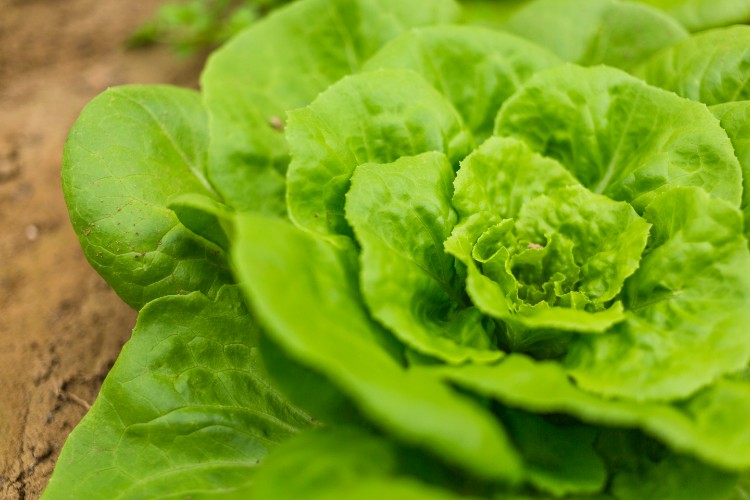
How Much Dietary Fiber in Lettuce?
Fiber content depends on lettuce varieties. A cup of shredded iceberg has about 1 gram of fiber. Romaine lettuces contain nearly 2 grams of fiber per cup, almost double the amount. Red leaf lettuce falls somewhere in between, making it a steady choice for those who crave color and crunch.
A gram of fiber might not sound like much, but when combined with other fruits and vegetables, it builds up quickly. That’s why lettuce still earns its spot in a healthy diet.
Lettuce Varieties and Their Fiber Power
Romaine Lettuce
We love romaine for its strong crunch and higher fiber content. Its structure makes it perfect for wraps and salads. Romaine also provides a boost of vitamins and minerals like folate and vitamin K.
Iceberg Lettuce
Iceberg offers hydration more than nutrients. While light on fiber, its refreshing bite works well in sandwiches.
Red Leaf Lettuce
This leafy green adds vibrant color and more antioxidants. The fiber content is modest but still meaningful.
Other Leafy Greens
Butterhead and green leaf lettuce are softer in texture. They don’t rival romaine’s fiber, but they add variety to meals.
Types of Fiber in Lettuce
Lettuce provides both soluble and insoluble fibers.
· Soluble fibers can absorb water and slow digestion.
· Insoluble fibers sweep through the digestive system, preventing constipation.
Together, these fibers keep our gut moving, support nutrient absorption, and create a balance we often overlook.
Fiber and the Digestive System
When we eat lettuce leaves, they travel through the gut and help food pass smoothly. Insoluble fiber acts like a broom. Soluble fiber creates bulk that steadies digestion. Both types reduce bloating compared to heavy processed foods.
Health Benefits of Lettuce Fiber
Weight Management
Low calorie, high volume. Lettuce fills our plates without overloading us. That means we stay satisfied while controlling portions.
Type 2 Diabetes
Fiber slows sugar absorption. Studies have shown that regular intake of leafy greens can reduce the risk of type 2 diabetes.
Blood Pressure and Heart Health
Potassium and fiber from lettuce support heart function. Regular intake may lower blood pressure and improve circulation. This combination makes lettuce a quiet ally for heart health.
Immune System Boost
Gut bacteria thrive on fiber. A strong gut microbiome translates into a stronger immune system, and lettuce plays its part.
Why Lettuce Belongs in a Healthy Diet
We often underestimate lettuce because it seems light. But pair it with fiber-dense rich food like beans, oat bran, or dried fruits, and it becomes part of a complete fiber strategy. Lettuce works best when combined with other plant foods to meet daily fiber needs.
Practical Ways to Use Lettuce Every Day
Creative Meal Ideas
· Use romaine leaves as taco shells.
· Add red leaf lettuce to pasta salads for a splash of color.
· Mix lettuce with nuts and dried fruit for a sweet-savory combo.
· Blend lettuce into smoothies for extra hydration.
Small Tricks That Add Up
· Replace bread with romaine wraps.
· Add shredded lettuce to soups or grain bowls.
· Keep a variety of lettuce leaves in the fridge for quick snacks.
These small swaps bring us closer to our fiber goals without much effort.
The Bigger Picture: Fiber and Longevity
A single serving of lettuce may not change your life, but consistency does. Studies have shown diets rich in leafy greens help reduce chronic disease risk. Over time, these daily servings of lettuce leaves add up, supporting digestion, immunity, and long-term wellness.
Conclusion: More Than Just a Salad Base
So, how much dietary fiber in lettuce should we care about? One to two grams per serving may not sound dramatic, but it’s the steady accumulation from daily choices that fuels results. Among lettuce varieties, romaine leads the pack, followed by red leaf and others.
When we see lettuce as more than garnish, it becomes a small yet mighty piece of a healthy diet. For weight management, heart health, and a happier digestive system, we’re keeping lettuce on our plates.