Is Lactose a Protein?
What Exactly Is Lactose?
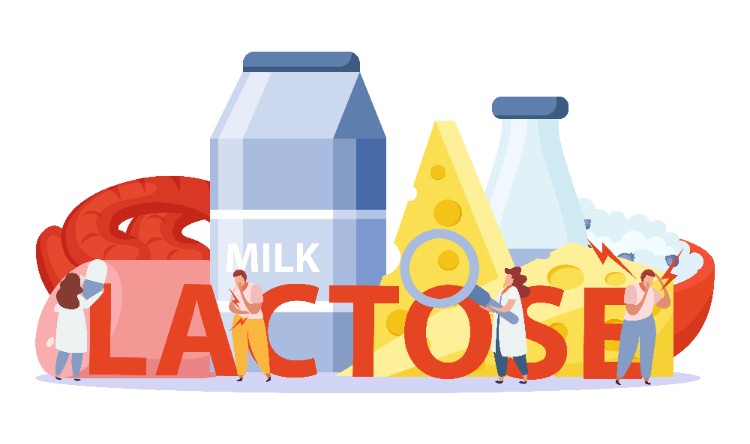
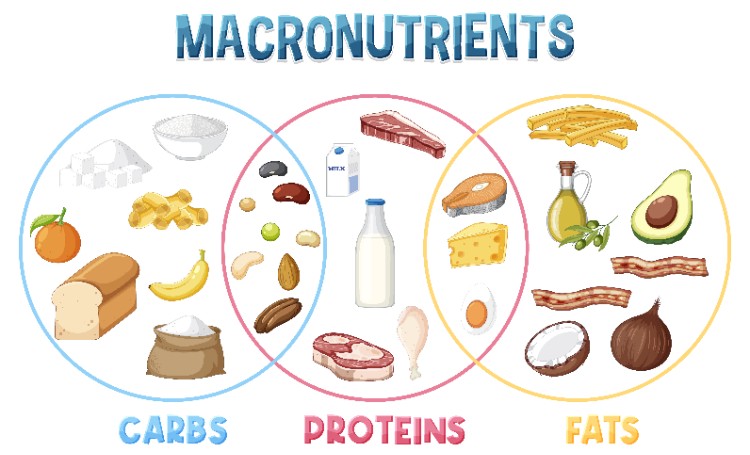
Let’s set the record straight. Lactose is not a protein. It’s a carbohydrate—a type of sugar found in dairy products. People often confuse it with milk proteins like casein or whey.
We can’t blame them; milk is a complex mix of nutrients. But in reality, lactose belongs to the “milk sugar” category.
When we enjoy cow’s milk, lactose works as a natural energy source. The problem is some of us struggle to digest lactose properly. That’s where the story gets interesting.
How Our Body Breaks Down Lactose
Our small intestine produces an enzyme called lactase. Lactase’s job is simple yet critical—it breaks lactose into glucose and galactose. These smaller sugars then enter our bloodstream, fueling our body.
When our body makes enough lactase, we enjoy milkshakes without trouble. But when lactase production drops, lactose intolerance symptoms appear.
Lactose Intolerance: Not the Same as Milk Allergy
This part causes a lot of confusion. Lactose intolerance is about digestion. A milk allergy involves the immune system. In lactose intolerance, undigested lactose ferments in the gut, leading to gas, bloating, or diarrhea.
Milk allergy, on the other hand, happens when the immune system reacts to milk proteins. That’s why you can be lactose intolerant without having a milk allergy—and vice versa.
Spotting Lactose in Foods
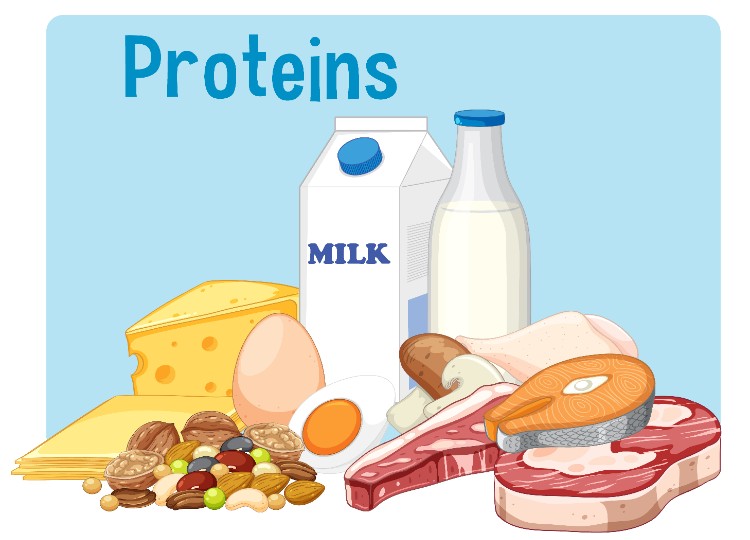
If we’re avoiding lactose, we need detective-level skills in reading ingredient lists. Lactose hides in:
· Milk and cream
· Cheese and yogurt
· Butter and cream sauces
· Some baked goods and snacks
· Processed meats with dairy-based fillers
Even some “lactose free” foods can have traces if processed in dairy facilities. That’s why label checking becomes a daily habit for those sensitive to milk sugar.
The Role of Lactose Powder in Foods
In manufacturing, Lactose Powder works as more than just a sweetener. It helps improve texture in baked goods, acts as a carrier for flavors, and enhances browning during cooking. However, it still contains milk sugar, so people with lactose intolerance should take care.
Long-Term Effects of Lactose Sensitivity
Consistently eating lactose when our body can’t digest it can lead to:
· Ongoing digestive symptoms
· Reduced nutrient absorption
· Changes in gut bacteria balance
· Discomfort that impacts daily life
On the other hand, managing lactose intake supports better energy levels, balanced digestion, and even stable blood pressure in some cases.
Lactose Tolerance: Can We Build It?
Some of us notice that small amounts of lactose cause no symptoms. This is known as partial lactose tolerance. With careful reintroduction and enzyme support, we can sometimes improve how much lactose our body can handle.
Lactase supplements are also an option. They break down milk sugar before it hits our gut, making dairy more digestible.
Why Understanding Lactose Matters
Knowing the difference between lactose and milk proteins saves us from a lot of confusion. It helps us choose between dairy products, lactose free options, or plant-based alternatives. It also empowers us to spot hidden sources in our diet.
In short: Lactose fuels us if our digestive system can handle it. If not, it’s just a guest that overstays its welcome.
Quick Takeaways
· Lactose = milk sugar, not a protein
· Lactase enzyme in the small intestine digests it
· Lactose intolerance affects digestion, not the immune system
· Milk allergy targets milk proteins via immune response
· Ingredient lists help spot hidden lactose
· Lactose Powder adds texture and sweetness in food manufacturing
· Managing intake can improve long-term health

Final Thoughts from Us at Shine Health
We’ve worked with Lactose Powder for years, so we know its potential and its pitfalls. While it’s a useful ingredient in many products, we believe informed choices matter most. Understanding that lactose is not a protein clears the path to better digestive health. Whether you enjoy dairy daily or opt for lactose free choices, the decision should be yours—made with both knowledge and confidence.