How Many Types of Tablet Coating are There
Introduction: Why Coating Matters
We often take tablets without thinking about what covers them. Yet that outer layer plays a huge role. The tablet coating process protects the drug, improves taste, and helps with delayed release when needed. Without it, many active pharmaceutical ingredients would break down too soon or cause stomach irritation.
So, how many types of tablet coating are there? The pharmaceutical industry uses five main approaches, each with unique benefits. Let’s go step by step.
The Role of Tablet Coating Agents
Tablet Coating Agents are more than decoration. They act as a shield and sometimes as a delivery system. A coated film can:
· Protect the active pharmaceutical ingredient from moisture or light
· Improve swallowing and taste
· Control drug release speed
· Support patient compliance
The choice of coating material depends on both the drug and the patient’s needs.
How Many Types of Tablet Coating Are There?
The pharmaceutical industry recognizes several key types of coating. The five most common are:
1. Sugar coating
2. Film coating tablets
4. Compression coating
5. Electrostatic coating
Each type of tablet has its own process and purpose.
Sugar Coating: The Original Style
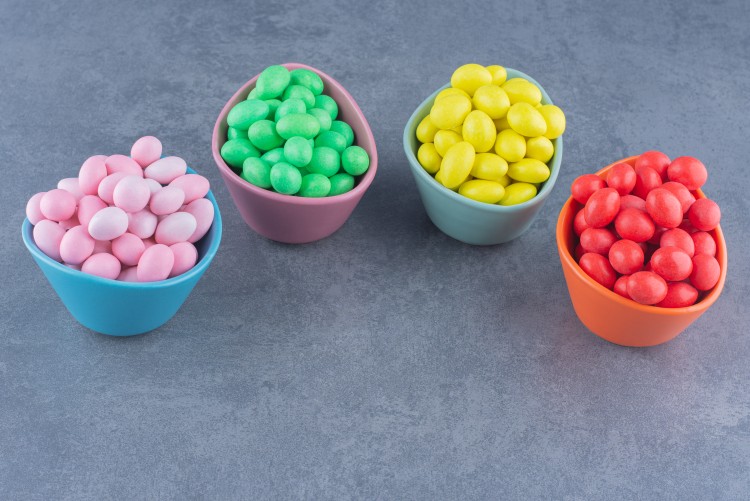
Sugar coating was the first method. The process includes applying syrup, drying, and polishing until smooth.
Benefits
· Improves taste
· Gives tablets a shiny appearance
· Protects the drug
Drawbacks
· Time-consuming
· Increases tablet size
Sugar coating remains useful in traditional products but less common in large-scale production.
Film Coating Tablets: The Standard Today
Film coating tablets now lead the market. A thin coated film, often water soluble or made with organic solvent, covers the tablet core.
Why It Works
· Faster than sugar coating
· Adds little weight
· Adapts to delayed release systems
This method balances protection and efficiency, making it a favorite in the pharmaceutical industry.
Enteric Coating: Delayed Release Experts
Enteric coating protects tablets from stomach acid. The process includes applying polymers that dissolve only in the intestine.
Benefits
· Delayed release for specific APIs
· Protects the drug in acidic environments
· Prevents irritation in the stomach
Enteric coated tablets are vital for drugs destroyed by gastric acid.
Compression Coating: The Tablet Sandwich
Compression coating uses dry powder layers pressed around the core.
Key Points
· Avoids organic solvent use
· Separates incompatible ingredients
· Enables controlled release
This method suits dosage forms where precision and stability matter most.
Electrostatic Coating: The Future Ahead
Electrostatic coating is an advanced technique. The process includes charging particles and spraying them evenly onto the core.
Advantages
· Reduces material waste
· Produces a uniform coated film
· Promises eco-friendly applications
Though still emerging, electrostatic coating may transform large-scale production.
Comparing the Types of Coating
Type | Feature | Pros | Cons |
Sugar | Syrup-based | Sweet taste | Bulky and slow |
Film | Thin polymer | Flexible and fast | Needs solvent |
Enteric | pH-sensitive | Delayed release | More complex |
Compression | Dry layer | No solvent | Higher cost |
Electrostatic | Charged spray | Efficient | Not widespread yet |
Choosing the Right Coating Material
Every dosage form needs the right coating material. Options include:
· Polymers
· Plasticizers
· Colorants
· Water soluble agents
The coating must protect the drug while keeping it safe and effective for the patient.
The Tablet Coating Process
The coating process includes three main stages:
1. Preparing the core tablet
2. Applying coating material
3. Drying and finishing
Each stage requires precision. Mistakes can lead to cracks, uneven coating, or reduced stability.
Why Coating Supports Patient Compliance
Tablets without coatings often taste bitter and feel rough. A smooth coated film makes them easier to swallow and more pleasant. Better compliance means patients stick to their treatment plans.
Coatings in the Pharmaceutical Industry
In the pharmaceutical industry, coatings are more than cosmetic. They:
· Extend shelf life
· Support delayed release or controlled release
· Protect active pharmaceutical ingredient stability
Coatings ensure that dosage forms perform exactly as designed.
Innovation in Tablet Coating
Coatings now go beyond basic protection. Advances include:
· Smart coatings that release at specific times
· Electrostatic systems that save resources
· New polymers that improve flexibility
The types of coating will continue to evolve as technology advances.
Key Takeaways
· Five main types of tablet coating exist: sugar, film, enteric, compression, and electrostatic
· Each type of tablet coating has a unique process and purpose
· Tablet Coating Agents protect the drug and improve patient experience
· The pharmaceutical industry continues to innovate with new coating material and methods
Conclusion: The Layers That Matter
So, how many types of tablet coating are there? At least five—and they keep growing. Each layer tells a story of protection, precision, and innovation.
As a manufacturer of Tablet Coating Agents, we see coatings as more than just a finish. They shape how patients experience medicine and how drugs perform in the body. Next time you take a pill, remember the science wrapped around it.