Can Enteric Coated Tablets Be Crushed?
Why Patients Ask This Question
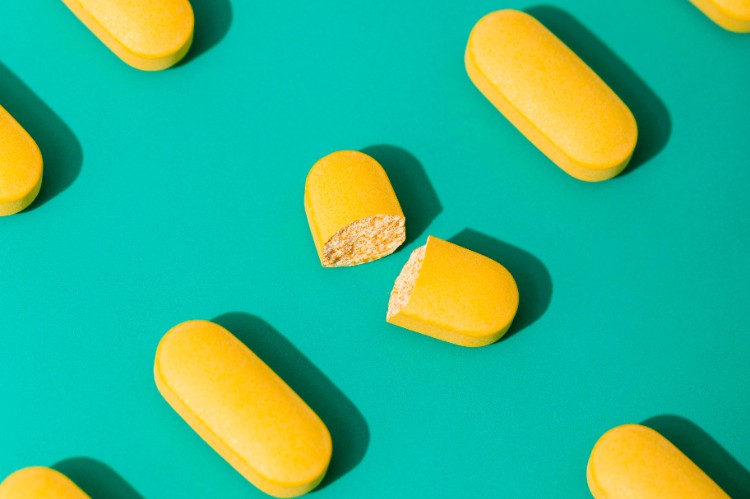
We have all faced this dilemma at least once. You hold a big pill in your hand and wonder: Can enteric coated tablets be crushed? The short answer is no.
But the long answer is way more interesting and explains why pharmaceutical scientists spend years designing coatings that keep drugs safe until the right moment.
Some patients ask because the tablet looks huge. Others struggle with swallowing due to age, illness, or simply fear of choking.
We understand this frustration. Nobody wants to gag on medicine when they are already unwell. That’s why exploring why these tablets exist helps us see the bigger picture.
What Makes an Enteric Coated Tablet Different?
Enteric coated tablets are not ordinary solid dosage forms. Unlike sugar coated or film coated tablets, they feature a functional coating for tablet protection. This coating acts like a shield against stomach acid. It keeps the drug locked inside until the tablet reaches the intestine, where the environment is less harsh.
Key Functions of Enteric Coating
· Protect the drug from acid degradation
· Prevent irritation of the stomach lining
· Control the release of the active substance
· Improve patient compliance by reducing side effects
· Provide stability during storage and transport
This design ensures that sensitive drugs survive their journey through the stomach without losing potency. Without it, many medicines would never work as intended.
Crushing Tablets: What Actually Happens?
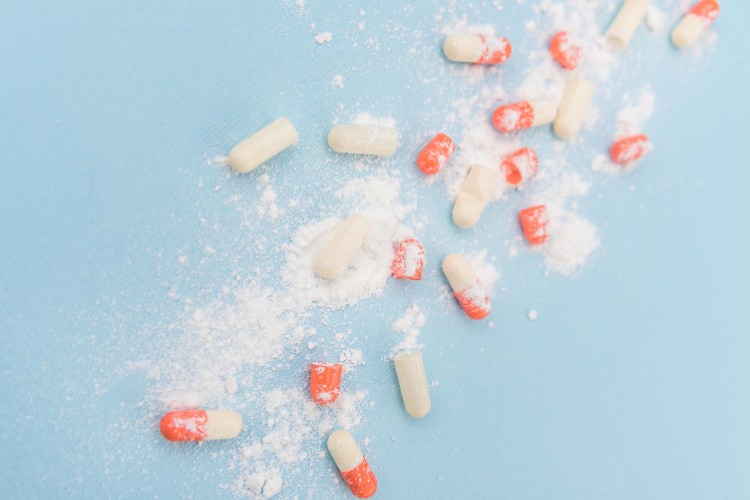
If you crush or chew an enteric coated tablet, you break the barrier. The drug no longer waits for delayed release. Instead, it dissolves instantly in the stomach. That can cause three major problems:
1. Drug damage: Stomach acid destroys many medicines when released too early.
2. Increased side effects: Some drugs irritate the mucous membrane when unprotected.
3. Loss of control: Extended release or modified release mechanisms stop working.
In simple terms, crushing turns a carefully engineered controlled release system into a wild card.
A Real-World Example
Consider aspirin. Standard aspirin irritates the stomach, so doctors prescribe enteric coated aspirin. Crush it, and you lose that safety net.
Instead of protection, you invite heartburn, nausea, or worse. Patients often learn this lesson the hard way.
Why Functional Coating Matters
We often overlook the coating, yet it does much of the heavy lifting. In solid oral dosage form technology, coatings are more than decoration. They ensure that the drug arrives intact where it should.
Types of Coatings You Might See
· Sugar coated tablets: Simple, old-fashioned, mainly for taste.
· Film coated tablets: Thin polymer layers, often applied with organic solvents.
· Enteric coated tablets: Resist acid, dissolve later for delayed release.
· Modified release systems: Adjust how and when the drug is absorbed.
· Extended release or controlled release: Keep drug levels steady for hours.
How Film Coating Systems Work
Film coating systems involve spraying solutions over the tablet core. These solutions dry into thin protective layers. Depending on the type of coating chosen, they may resist acid, mask flavor, or manage the release of the active ingredient. Even a 0.05 mm coating can completely transform how a drug behaves inside the body.
Every type of coating serves a specific purpose. Break the coating, and you break the purpose.
The Science Behind Delayed Release
Delayed release tablets work like time-travel devices for medicine. The coating material dissolves only in alkaline conditions. That means the tablet core stays safe in the stomach, then releases the active ingredient further down.
Without this protection, the release of the active component occurs too soon. Imagine throwing a parachute out of a plane on the runway instead of at 10,000 feet—it simply fails the mission.
Why Delayed Release Is Critical
· Keeps drugs stable until they reach the intestine
· Protects the stomach lining from irritation
· Improves overall treatment effectiveness
· Reduces the need for multiple daily doses
Delayed release systems change how we treat chronic conditions. Patients can take fewer doses while maintaining steady drug levels.
Patient Compliance and Safety
We want patients to trust their medicine, not fear it. Functional coating for tablets helps achieve that by reducing unpleasant effects. Nobody wants a burning stomach or nausea from a pill that should have dissolved later. Compliance improves when patients experience fewer problems.
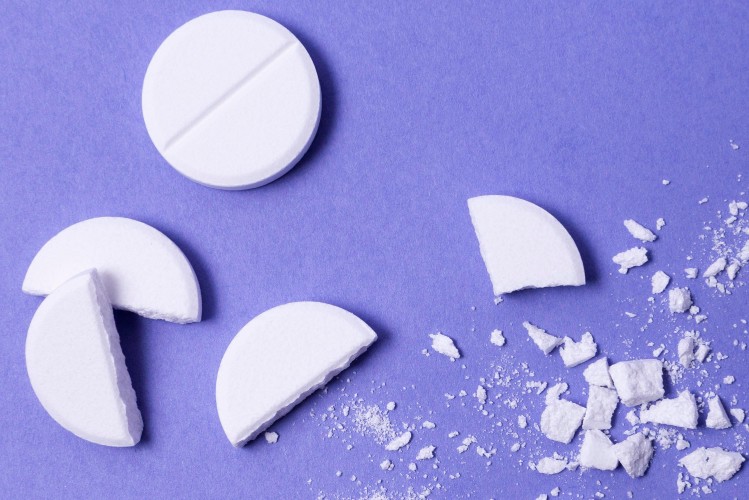
Common Risks of Crushing
· Stronger side effects
· Weaker drug activity
· Unpredictable blood levels
· Damage to the protective tablet core
Personal Reflection
We have seen patients struggle with large pills. Crushing feels like a simple fix, but the results can be harmful. By respecting the coating, we respect the science—and ultimately protect the patient.
Solid Dosage Forms: More Than Meets the Eye
Solid dosage forms include everything from plain tablets to advanced modified release designs. Pharmaceutical engineers combine tablet cores with film coating systems to balance stability and comfort. Some drugs even use multilayer coatings, each with a unique task.
When we crush these systems, we undo years of smart engineering. It’s like smashing a smartphone because the screen protector annoyed you. Sure, you get rid of the cover, but you also ruin the phone.
Why Engineers Choose Coatings
· Improve taste and appearance
· Increase shelf life
· Protect the drug during manufacturing
· Reduce interaction with stomach acid
Each coating type responds to a specific patient need. This design keeps modern medicine reliable.
Alternatives to Crushing Tablets
If swallowing is difficult, don’t panic. Doctors and pharmacists can suggest safer options:
· Ask for a liquid form of the medicine
· Request a different dosage strength
· Switch to film coated tablets without delayed release
· Explore soluble powders or chewables
· Use dispersible tablets that break down in water
Practical Advice for Caregivers
If you care for someone who struggles with pills, always consult a pharmacist before changing the dosage form. Crushing may look helpful, but in reality, it can harm. Healthcare professionals can suggest the safest alternative.
The Role of Healthcare Professionals
Doctors and pharmacists guide patients through confusing instructions. They explain whether a tablet is safe to cut, split, or swallow whole. They also monitor drug interactions that might worsen side effects. Following their advice ensures both safety and effectiveness.
Questions You Should Ask
· Can this medicine be taken in liquid form?
· Is there a smaller dosage strength?
· Can the doctor prescribe a different release tablet?
· What happens if I accidentally crush it?
Clear communication with professionals prevents dangerous mistakes.
Our Final Thoughts
So, can enteric coated tablets be crushed? Absolutely not.
Crushing ruins the coating, exposes the drug too soon, and risks side effects. We design functional coatings for tablets with precision to protect the drug, control release, and improve patient compliance. When in doubt, always ask your doctor or pharmacist before altering your medicine.
We believe that respecting the coating means respecting your health. Medicine works best when we let it work the way it was designed.