How Organic Tapioca Resistant Dextrin Fits Clean Gluten Free Baking
Creating the perfect gluten-free bread or cake is a balancing act. Manufacturers often face the dual challenge of achieving a desirable crumb structure while preventing the rapid firming—or staling—that plagues many non-wheat baked goods. At Shine Health, we understand that modern consumers demand more than just "free-from" claims; they want superior texture, clean labels, and functional nutritional benefits.
Our Organic Tapioca Resistant Dextrin (often referred to as Prebiotic Tapioca Fiber in clean-label applications) is engineered to solve these precise formulation hurdles. As a plant-based, soluble dietary fiber derived from organic cassava, it offers a neutral taste profile and exceptional functionality. This article explores how our ingredient serves as a strategic tool for developers looking to enhance soluble fiber content while maintaining the sensory quality of premium gluten-free products.

Defining Organic Tapioca Resistant Dextrin at Shine Health
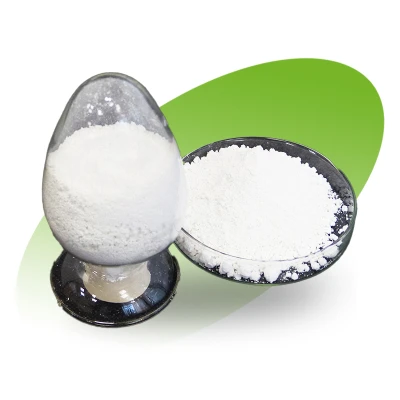
On our product pages, you will find Organic Tapioca Resistant Dextrin described as a versatile soluble dietary fiber. Derived from cassava (tapioca), this ingredient is built for seamless integration across diverse food formats, particularly within the bakery sector. The core value proposition lies in its ability to support a "clean label"—a critical factor for today's health-conscious demographic—without complicating the manufacturing process.
Key characteristics of our prebiotic tapioca fiber include:
- Source Transparency: A clean-label ingredient produced from natural, organic cassava.
- Dietary Compatibility: Certified Plant-based and Gluten-free, ensuring safety for sensitive consumers.
- Sensory Neutrality: It possesses a neutral taste, allowing the natural flavors of your formulation to shine without masking or off-notes. Its excellent blendability ensures quick dissolution.
- Process Stability: Highly Heat-stable and pH-stable, making it robust enough to withstand industrial baking temperatures and varying acidity levels in batters or doughs.
- Customization: We offer different purity levels to align with specific nutritional targets and cost structures.
By choosing organic tapioca resistant dextrin, manufacturers can increase the fiber content of their products significantly without forcing major alterations to flavor profiles or the visual appearance of the finished good.
The Role of Resistant Dextrin in Texture and Freshness
Texture is often the deciding factor in repeat purchases for gluten-free products. On our Resistant Dextrins for Baked Goods page, we detail the functional mechanisms that make this ingredient indispensable for modern baking. Resistant dextrin is a low molecular weight, water-soluble dietary fiber. While our portfolio includes corn-based options, the functional benefits translate effectively across our resistant dextrin range, improving the nutritional and physical profile of bread, muffins, cakes, cookies, and pastries.
Critical Functional Benefits
1. Texture Optimization
One of the primary complaints regarding gluten-free baking is dryness. Our resistant dextrin aids in moisture retention, resulting in a softer, more palatable crumb. It helps mimic the structural mouthfeel that gluten typically provides, improving the overall structure of the baked good.
2. Extended Freshness & Shelf Life
Staling is essentially the retrogradation of starch. By managing moisture migration and interacting with starches, resistant dextrin helps prevent rapid staling. This extends the product's freshness window, a vital advantage for packaged goods moving through supply chains.
3. Strategic Reformulation
Beyond texture, our ingredients support healthier nutritional panels. Resistant dextrin can replace a portion of flour or sugar, effectively reducing total calories. Furthermore, it mimics the mouthfeel of fat, allowing for fat reduction in recipes while maintaining the rich quality consumers expect.
Positioning Organic Tapioca Fiber in Gluten-Free Projects
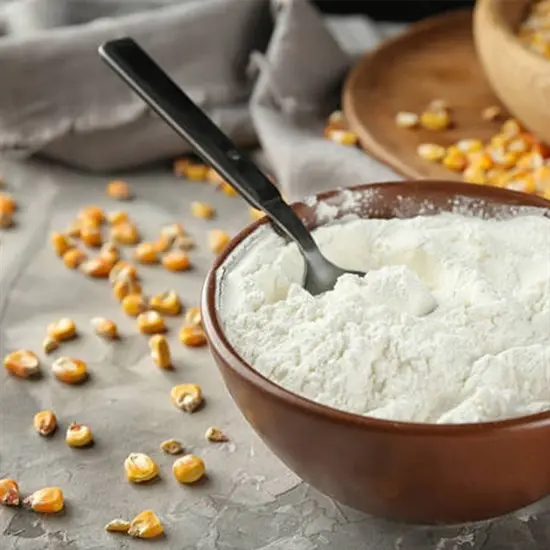
When your R&D team is tasked with developing a new gluten-free bakery concept, selecting the right fiber source is crucial. If the goal is a cassava-based, grain-free, or strictly organic formulation, Organic Tapioca Resistant Dextrin is the superior choice. Its heat and pH stability ensure it survives the baking process intact, delivering the promised prebiotic benefits to the consumer.
To streamline decision-making during the development phase, we recommend distinguishing between general functional goals and specific attribute requirements:
- Functionality: Focus on moisture retention, anti-staling properties, and sugar/fat reduction capabilities.
- Attributes: Focus on the cassava origin, clean-label status, gluten-free certification, and neutral taste profile.
A side-by-side comparison can help your team document these attributes clearly during trials:
| Topic | Resistant Dextrin Functionality (General) | Organic Tapioca Resistant Dextrin (Specific Attributes) |
|---|---|---|
| Gluten-Free Relevance | Improves texture and structure of gluten-free doughs. | Certified Gluten-free; ideal for grain-free positioning. |
| Freshness | Mitigates staling; extends shelf life. | Highly stable under heat and pH changes; maintains efficacy post-bake. |
| Reformulation Goals | Replaces flour/sugar; reduces fat and calories. | Neutral taste ensures flavor integrity; clean-label cassava sourcing appeals to premium buyers. |
Streamlining R&D with Bench Trials
Because our organic tapioca resistant dextrin is designed for ease of use—featuring quick dissolution and blendability—it fits naturally into standard bakery development workflows. We encourage R&D teams to follow a structured evaluation process to validate the ingredient's impact on their specific recipes.

Suggested Workflow:
- Select the Matrix: Identify the target product (e.g., gluten-free bread, sponge cake, or cookie).
- Define the Objective: Determine if the primary goal is fiber enrichment (nutritional claim), clean-labeling (ingredient list optimization), or texture improvement (reformulation).
- Conduct Bench Trials: Incorporate the prebiotic tapioca fiber at varying percentages. Document observations regarding dough/batter rheology, handling properties, and finished texture.
- Monitor Storage: Evaluate the product over its intended shelf life to observe anti-staling effects compared to the control.
- Align Documentation: Ensure your findings match procurement needs by requesting our specific spec sheets and lab documentation early in the process.
Commitment to Quality and Clean-Label Sourcing
For procurement teams, justifying a supplier selection goes beyond the product itself; it requires confidence in the manufacturing ecosystem. At Shine Health, we repeatedly emphasize our robust production and Quality Control (QC) infrastructure to provide that peace of mind.
Our manufacturing capabilities are designed to meet stringent international standards:
- Advanced Facilities: We operate GMP-standard workshops supported by a fully equipped QC laboratory to ensure batch-to-batch consistency.
- Automation: Our facilities feature fully automatic unmanned production lines, reducing human error and contamination risks.
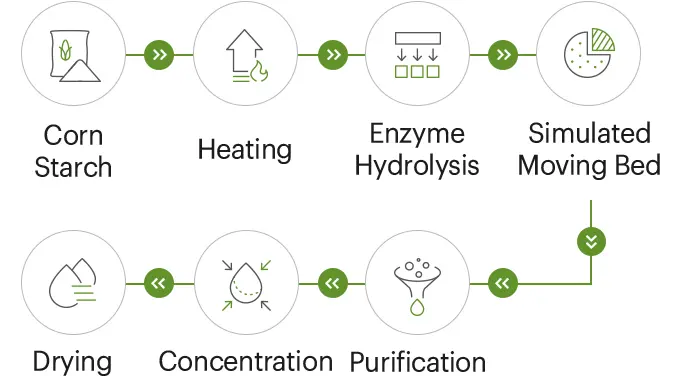
- Technology: We utilize imported biological enzymes and precision production lines of German origin, ensuring the molecular integrity of our fiber products.
- Systems & Certifications: Specifically for our Prebiotic Tapioca Fiber, our workshops strictly adhere to GMP, HACCP, and ISO22000 systems. We are fully capable of supporting organic and custom orders to meet diverse market requirements.
Partner with Shine Health
Shandong Shine Health Co., Ltd. is your dedicated partner for high-quality dietary fibers. Whether you need Organic Tapioca Resistant Dextrin or Resistant Dextrin for Baked Goods, our catalog is built to support innovation in the health food sector. If you are benchmarking manufacturers to find a reliable partner in China, our team is ready to support your inquiries with samples, technical documents, and commercial quotes.
Contact Us Today:
- Website: www.sdshinehealth.com
- Email: info@sdshinehealth.com
- WhatsApp: +86 134 0544 3339
Related Resources
- Resistant Dextrins for Baked Goods
- Organic Resistant Tapioca Dextrin Product Page
- Soluble Corn Fiber Solutions
- Explore Our Full Dietary Fiber Catalog