Fix Bakery Texture Before Pilot Runs With Litesse Polydextrose
Sugar reduction in baked goods is rarely “just a sweetness swap.” When sucrose is reduced, solids balance, dough handling, and finished crumb can shift—often enough that a formula that looks fine on paper fails at pilot scale. That’s why polydextrose bakery texture design is most effective when it starts at bench-top, alongside the first sugar-reduction target.

Shine Health (Shandong Shenghuai Health Co., Ltd.;Shine Health) supplies polydextrose ingredients for product developers building reduced-sugar, fiber-enriched baked goods, with both powder and syrup formats available for different processing needs.
Why early texture design matters for sugar reduction
In bakery systems, sugar does more than deliver sweetness. It also contributes solids and influences structure formation—so replacing it late (after pilot trials) typically forces multiple rework cycles.
For many sugar-reduction projects, polydextrose for baked goods is evaluated because it is a soluble fiber used to fortify baked goods while helping developers maintain product quality. Shine Health’s baked-goods offering is positioned as a functional soluble fiber designed to enhance nutritional and textural properties in applications such as bread, muffins, cakes, cookies, and pastries.
If you are using Litesse polydextrose sugar replacement concepts in your formulation strategy, the practical takeaway is simple: texture targets should be defined early (softness, crumb structure, mouthfeel, and storage behavior), then validated through small batches before any scale-up decisions.
Match the polydextrose grade to your process and targets
Grade selection influences ingredient handling, water balance, and how easily you can keep your formula stable from lab to production.
For baked goods work, Shine Health presents dedicated application options, including Polydextrose for Baked Goods.
If your team needs a high-fiber powder format for broader formulation testing, PDX-90 Powder is specified as a water-soluble polydextrose with:
- Dietary fiber content: ≥ 90%
- Caloric value: 1 kcal/g
- Particle size: 80–100 mesh
- pH (10% solution): 4.0–6.0
- Moisture: ≤ 4.0%
These technical points help buyers align the ingredient with internal specifications and quality-control checks.
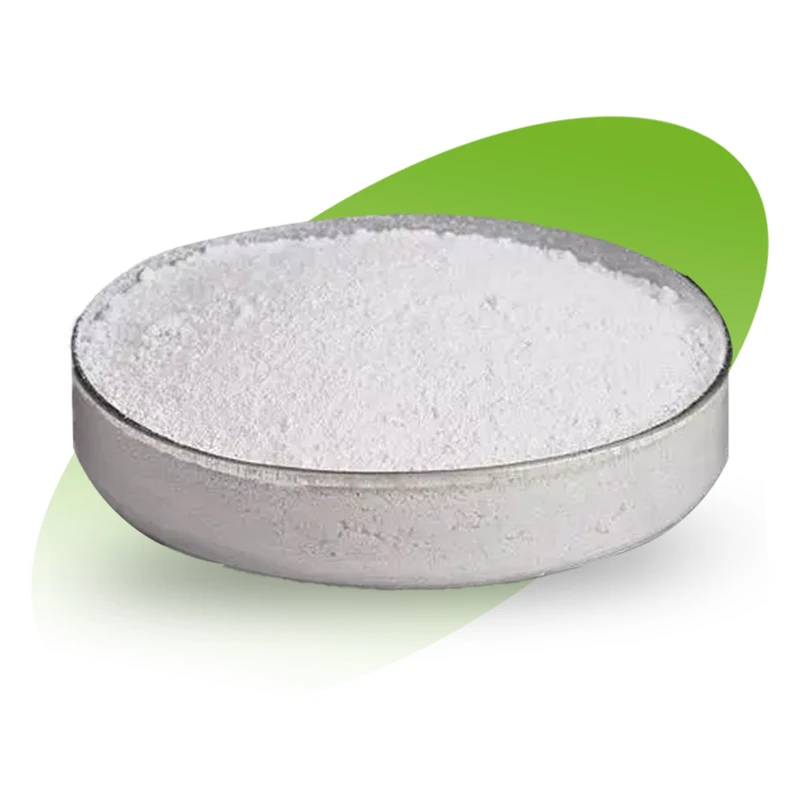
For calorie-focused reformulations, Shine Health also offers Low Cal Polydextrose, described as a low-calorie polydextrose option used in food and beverage applications and providing approximately 1 kcal per gram versus 4 kcal per gram for typical carbohydrates.
And when your plant prefers liquid dosing or your formula is built around liquid systems, the syrup format is available as PDX-90 Syrup—a practical alternative to powders when you are managing solids and water addition.
Published research and industry literature support the need for this early design approach. Reviews on sugar replacement in bakery goods note that sucrose affects not only sweetness but also structure, bulk, and eating quality, which means bulking agents such as polydextrose are usually evaluated as part of a broader formula adjustment rather than as isolated sweetness replacements. Research cited in bakery applications also suggests that polydextrose can help support softness and moisture-related quality, but workable inclusion levels still depend on product type, process, and target shelf-life.

A bench-top workflow that reduces pilot-scale surprises
A workable approach to polydextrose bakery texture and moisture retention testing is to treat early trials as texture design, not just “ingredient screening.” The workflow below keeps the structure simple while forcing the right checks before pilot runs:
- Set targets first: sugar-reduction level, fiber objective, calorie positioning, and the texture attributes that cannot change.
- Choose format and grade: powder versus syrup, plus the polydextrose grade best aligned to the product style and processing.
- Rebalance solids and water: replacing sucrose changes formula solids; bench tests should confirm dough/batter handling.
- Evaluate finished texture: compare softness, crumb structure, and mouthfeel to the original control.
- Check storage behavior: confirm texture stability across your intended shelf-life window.
- Scale only validated formulas: move to pilot trials when the bench data matches product expectations.
Because cookies, cakes, muffins, and breads behave differently, a universal replacement percentage is rarely realistic—bench testing is the most efficient way to narrow to workable inclusion levels for each SKU.
In published bakery studies, polydextrose has been associated with higher moisture content and improved texture support in some formulations, while practical outcomes still vary by recipe style and replacement level. One cited pound-cake study reported that a moderate replacement level showed the strongest consumer acceptance, reinforcing the value of small-batch screening before pilot expansion.
Manufacturing consistency and documentation buyers tend to request
Ingredient consistency is a major factor in repeatable bakery outcomes. Shine Health describes polydextrose manufacturing with fully automated central control from raw material feeding to product filling, supported by GMP-standard workshops and a quality-control laboratory.
It also states that its polydextrose products are produced using Non-GMO glucose and maltose sources. For buyers managing market access, Shine Health notes the availability of documentation such as Halal and Kosher information, and procurement teams typically confirm coverage for the specific grade being purchased.
Next steps for product developers
If your team is planning Litesse polydextrose sugar replacement work, the fastest path is usually to pick the target product, select a grade and format, then validate texture early with small batches.
For product details and inquiries, visit www.sdshinehealth.com or use the contact page: Contact Shine Health.
FAQs
Can polydextrose fully replace sugar in baked goods?
Polydextrose can be used in sugar-reduction projects, but sugar reduction typically changes structure and solids balance. Bench testing is commonly used to confirm texture targets before scale-up.
What’s the difference between PDX-90 Powder and PDX-90 Syrup?
They are different physical formats (powder vs. syrup). Format selection affects handling, dosing, and how you manage solids and water addition in your process.
What key specs are listed for PDX-90 Powder?
Shine Health lists dietary fiber ≥90%, caloric value 1 kcal/g, particle size 80–100 mesh, pH (10% solution) 4.0–6.0, and moisture ≤4.0%.
Does Shine Health describe how its polydextrose is manufactured?
Yes. Shine Health describes automated central-control production, GMP-standard workshops, and quality-control laboratory support.
What raw material sources are stated for Shine Health polydextrose?
Shine Health states its polydextrose products are produced using Non-GMO glucose and maltose sources.
References
Esteller, M. S., Amaral, R., & Lannes, S. (2004). Effect of sugar and fat replacers on the texture of baked goods. Journal of Texture Studies. https://doi.org/10.1111/J.1745-4603.2004.TB00602.X
Struck, S., Jaros, D., Brennan, C., & Rohm, H. (2014). Sugar replacement in sweetened bakery goods. International Journal of Food Science and Technology. https://doi.org/10.1111/IJFS.12617
Nguyen, T. Q., Russell, L., & Idowu, A. (2026). Polydextrose as a sugar replacement in pound cake production: Impact on water activity, colour, texture and consumer acceptability. International Journal of Food Science and Technology. https://doi.org/10.1093/ijfood/vvag124
ScienceDirect Topics. (n.d.). Polydextrose—an overview. https://www.sciencedirect.com/topics/agricultural-and-biological-sciences/polydextrose
BakingBusiness.com. (2007, March 31). The sweet side of bulking up. https://www.bakingbusiness.com/articles/44002-the-sweet-side-of-bulking-up