Do Not Let Fiber Claims Ruin Yogurt Comfort
A high-fiber yogurt cup can look appealing on a nutrition label but still disappoint consumers if it feels heavy, grainy, overly sweet, or simply uncomfortable to eat at the intended serving size. For dairy formulators, the real goal isn't just a higher fiber count. It's about achieving a balanced high fiber yogurt formulation that maintains a smooth mouthfeel, manages viscosity, limits whey separation, and delivers a pleasant eating experience from the first spoonful to the last.

Start With Texture, Not Just Fiber Content
Enriching yogurt with fiber fundamentally changes its behavior. It can affect the product's body, creaminess, sweetness perception, acidity, and even syneresis (liquid separation). This is why high fiber yogurt mouthfeel needs evaluation alongside the analytical fiber content during early development, rather than being treated as a final sensory check once the formula is set.
We find that resistant dextrin, a soluble dietary fiber derived from corn starch, offers properties highly relevant for resistant dextrin yogurt. Our product boasts high solubility, low viscosity, a mild or neutral taste, and remarkable stability under both heat and acidic conditions. These characteristics are especially beneficial when the aim is a low sweetness high fiber yogurt cup that still delivers a clean, smooth, and enjoyable sensory profile.
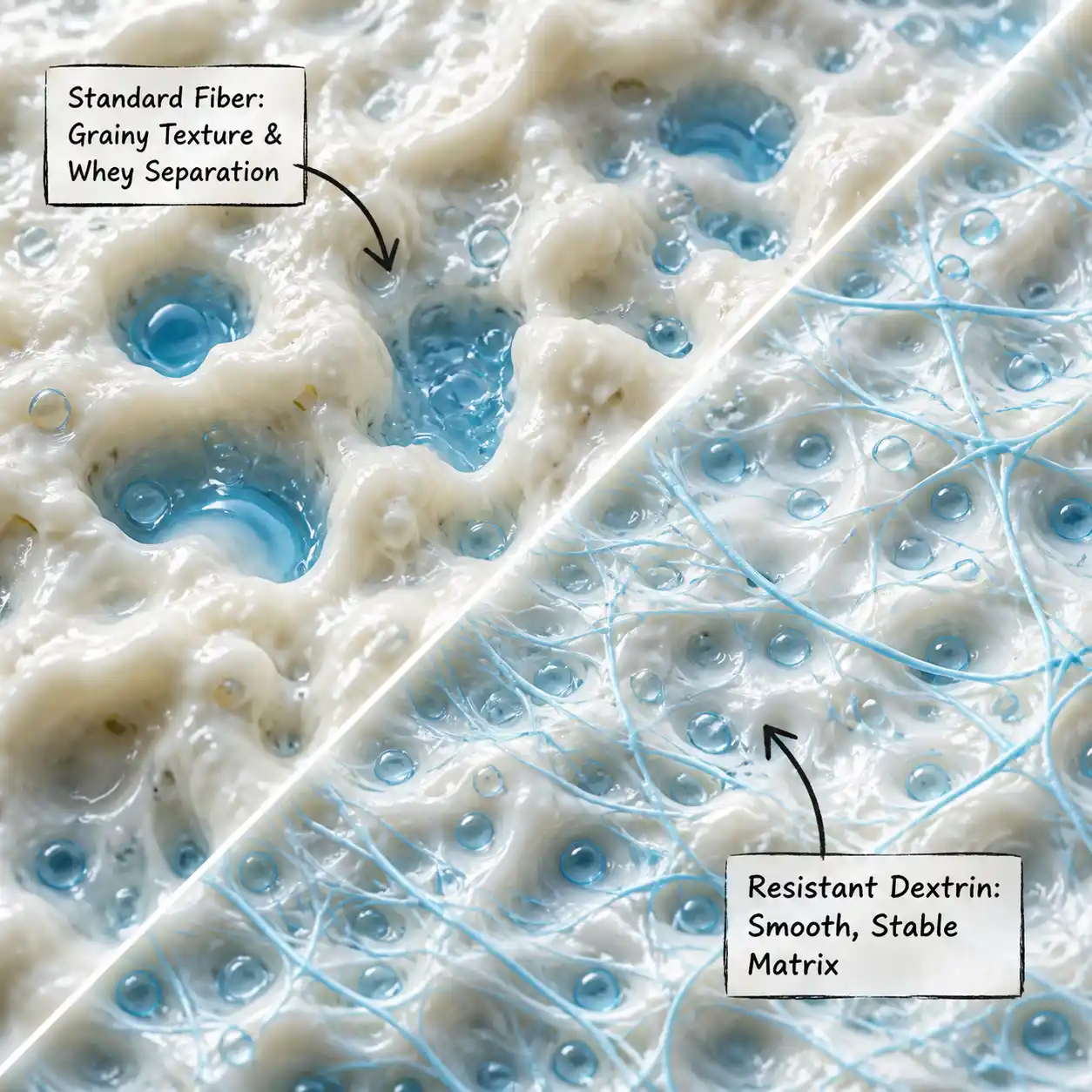
When the formulation target includes both better nutrition and a pleasant spoonable texture, these functional properties matter as much as the label claim. A fiber source that disperses cleanly and behaves predictably in cultured dairy can reduce development friction and improve the chance of a stable commercial product.
Choose a Fiber That Fits Acidified Dairy Systems
Yogurt is inherently an acidic dairy system, which means formulators need ingredients that can perform effectively without destabilizing the product. Our Resistant Maltodextrin in Dairy Products is specifically designed for such applications. It significantly increases dietary fiber content, enhances creaminess and viscosity, and helps prevent syneresis, all without noticeably altering the original taste or texture of the dairy product.
Our resistant dextrin is crafted using premium NON-GMO corn starch from leading Chinese producers. We leverage advanced biological enzymes imported from overseas, process it on a German-origin precision production line, and incorporate refined techniques inspired by Japanese craftsmanship. Each batch undergoes rigorous quality control in our fully equipped QC laboratory, ensuring consistent purity and performance.
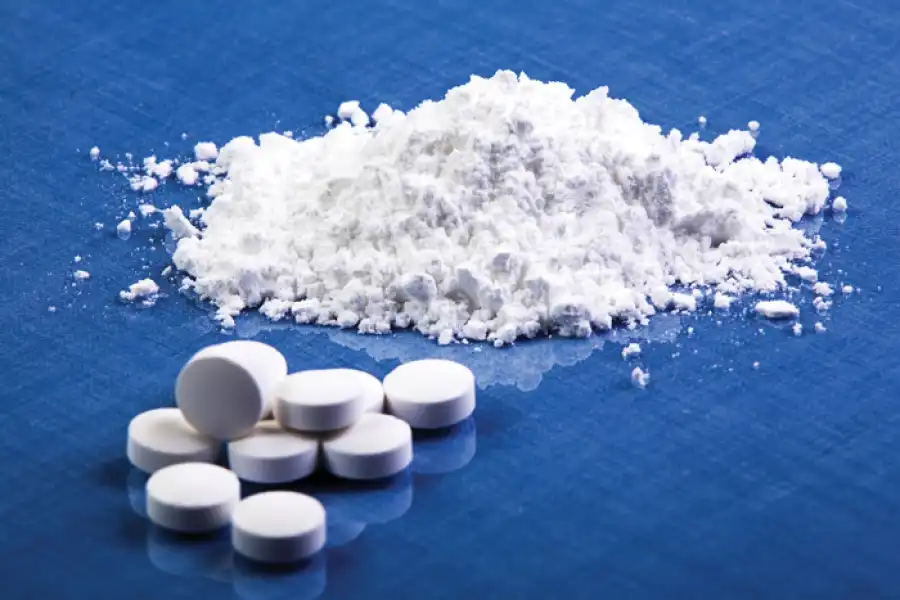
It's crucial to check product specifications grade by grade. We offer various resistant dextrin grades with fiber contents ranging from ≥70% to ≥95%. This means the selected grade should be precisely matched to the desired finished product target, as not all resistant dextrin products perform identically in every formulation.
In practice, compatibility with fermentation, post-acidification, sweetness systems, and protein structure should all be reviewed during bench and pilot work. The right fiber is the one that supports the finished product goal, not just the one that raises the numerical fiber result.
Verify Three Essential Launch Conditions
A robust high-fiber yogurt program typically involves three critical checks before moving to large-scale production:
- Nutritional Verification: This confirms the finished product's dietary fiber content and other related label targets through appropriate analytical methods. It ensures compliance with nutritional claims and regulatory standards.
- Texture and Stability Testing: This involves comparing viscosity, creaminess, smoothness, sweetness balance, acidity perception, and whey separation throughout the refrigerated shelf life. Such testing helps identify any potential degradation or undesirable changes over time.
- Serving-Size Comfort: This evaluates the digestive tolerance of yogurt fiber under realistic consumption conditions. Given that fiber type and intake level can significantly influence the consumer experience, ensuring comfort is key to repeat purchases and positive brand perception.
Various published yogurt studies, investigating fibers like date, pineapple peel, and passion fruit, reinforce this formulation-specific approach. These studies consistently show that added fibers can impact rheology, texture, whey separation, and overall consumer acceptance. While these aren't claims about our specific materials, they underscore a broader industry lesson: the entire yogurt system must be thoroughly tested.
These three checks help reduce launch risk. They also create a clearer communication bridge between R&D, quality, regulatory, procurement, and commercial teams, especially when the product must balance sensory quality with a credible fiber positioning.
Build a Better Formulation Loop
For soluble corn fiber yogurt, an iterative workflow proves most effective. Begin by defining your target fiber claim, then prepare controlled prototypes. Test meticulously how resistant dextrin interacts with other components like sweeteners, milk solids, stabilizers, cultures, and fruit preparations. Even small adjustments can make a significant difference in the final product's spoonability and perceived smoothness.
This methodical approach also benefits purchasing teams. A buyer seeking a Recommended Chinese Resistant Dextrin Manufacturer should look beyond just price. They should request detailed specification sheets, comprehensive application guidance, clear storage requirements, sample availability, and robust technical support for dairy trials. Our resistant dextrin product pages highlight our non-GMO corn starch sourcing, expertise in functional ingredient production, secure product packaging, and stringent quality control information, all designed to support thorough buyer evaluation and ensure confidence in our offerings.
Ultimately, a better formulation loop means fewer surprises later. It allows teams to refine sensory quality, validate stability, and confirm that the selected ingredient grade truly matches the intended market positioning and serving format.
FAQs
Why is fiber content alone not enough for high-fiber yogurt?
Because high-quality yogurt relies on a harmonious balance of texture, viscosity, sweetness, acidity, and minimal whey separation. A high fiber number alone doesn't guarantee a superior product or a pleasant consumer experience.
Why consider resistant dextrin in yogurt?
Resistant dextrin from Shine Health is soluble, low-viscosity, and has a neutral taste, making it ideal for maintaining the sensory profile of yogurt. It's also stable in heat and acidic conditions, which are common in dairy processing. Moreover, it contributes to fiber enrichment, improved creaminess, controlled viscosity, and reduced syneresis.
Should digestive comfort be tested during development?
Absolutely. Digestive response varies based on the fiber type, dosage, serving size, and the complete formulation. It's essential to evaluate the finished yogurt under realistic consumption conditions before commercial launch to ensure consumer comfort and satisfaction.
Where can buyers review Shine Health resistant dextrin products?
Buyers can find detailed product and application information directly on our official website: www.sdshinehealth.com.
References
- Shine Health. Resistant Maltodextrin in Dairy Products.
- Shine Health. Dextrin Dietary Fiber Supplement.
- Hashim, I. B., Khalil, A., & Afifi, H. (2009). Quality characteristics and consumer acceptance of yogurt fortified with date fiber. Journal of Dairy Science.
- Sah, B. N. P., Vasiljevic, T., McKechnie, S., & Donkor, O. (2016). Physicochemical, textural and rheological properties of probiotic yogurt fortified with fibre-rich pineapple peel powder during refrigerated storage. LWT - Food Science and Technology.
- Espírito-Santo, A. P., et al. (2013). Rheology, spontaneous whey separation, microstructure and sensorial characteristics of probiotic yoghurts enriched with passion fruit fiber. Food Research International.
- Bankole, A. O., et al. (2023). Application of natural and modified additives in yogurt. PMC.