Design Functional Candies With Resistant Dextrin That Keep Their Bite
High-fiber, low-glycemic candies do not have to sacrifice chew, clarity, or shelf-life. By formulating carefully with resistant dextrin (also known as soluble corn fiber) from Shandong Shine Health Co., Ltd., food brands can effectively advance toward sugar reduction and fiber enrichment. We provide high-quality ingredients that ensure you continue delivering familiar, satisfying textures in soft confections, gummies, and nutrition bars without compromising on taste or consumer experience.

Why Our Resistant Dextrin Suits Modern Functional Candy
At Shine Health, we produce resistant dextrin as a premium soluble dietary fiber derived entirely from non-GMO corn starch. Across our comprehensive resistant dextrin portfolio, the core parameters sourced directly from our high-quality raw materials include:
- Fiber content ≥82% on a dry basis
- White to light yellow appearance
- Protein content ≤6.0%
- Exceptional solubility and stability
- Low glycemic index
- Thermal stability for baking and rigorous processing
- Keto and diabetic-friendly positioning (where formulas and local regulations allow)
These distinct characteristics align perfectly with today’s functional candy trends. Formulators can add meaningful fiber without imposing a heavy color or flavor impact on the final product. Furthermore, the low glycemic response and strong support for blood sugar control help target sugar-conscious consumers effectively.
As a versatile soluble corn fiber, our resistant dextrin actively contributes to digestive health, enhanced satiety, and gut microbiome support. For confectionery developers, this means our ingredient can flawlessly act as a bulking agent, a mild sweet-taste contributor, and a nutritional upgrade all in one, provided your overall recipes are designed to meet specific regulatory requirements.
Using Product Parameters As Practical Candy Design Tools
We summarize our premium resistant dextrin with the following typical parameters, ensuring transparency and reliability for your formulation needs:
| Parameter | Specification |
|---|---|
| Product name | Resistant dextrin |
| Raw material | Corn starch (NON-GMO) |
| Appearance | White to light yellow |
| Fiber content | ≥82% |
| Protein content | ≤6.0% |
| Storage conditions | Store in a cool place |
For resistant dextrin candy formulation, these specific parameters translate directly into practical development choices:
- Visual quality: The white to light yellow powder has a minimal effect on fruit, dairy, or herbal candy shades, maintaining your product's visual appeal.
- Label and sourcing: Utilizing non-GMO corn starch supports simple, clean, and familiar ingredient lists that consumers trust.
- Nutritional positioning: The high fiber content makes it significantly easier to achieve “source of fiber” or “high fiber” claims where permitted by law.
- Process robustness: The high solubility and thermal stability effortlessly support typical confectionery heating and mixing conditions.
A Practical Workflow For Soft Confections And Bars
When integrating our soluble corn fiber into your confectionery projects, a structured workflow helps keep sweetness, texture, and processing perfectly under control.
1. Clarify the Product Goal
Typical formulation targets often include:
- High-fiber nutrition bars or functional chews
- Reduced-sugar bars utilizing low sugar candy fiber concepts
- Soft confections aligned with keto-friendly or diabetic-friendly market positioning
2. Define the Role of Resistant Dextrin
Based on our extensive material data, our resistant dextrin can be utilized simultaneously as:
- A reliable bulking ingredient replacing a portion of traditional sugars or syrups
- A robust soluble fiber source that actively contributes to digestion, satiety, and gut health
- A low-glycemic component to support blood sugar management claims, provided complete formulations allow
3. Check System Compatibility
In the development of soft candies and bars, R&D teams typically combine:
- Sugars and polyols for precise sweetness and crystallization control
- Gelling or structuring agents such as gelatin, pectin, or specialized starch
- Acids and flavors for distinct fruit, herbal, or dairy profiles
Our resistant dextrin’s neutral flavor and high solubility help it integrate seamlessly into these complex systems without introducing grittiness or strong off-notes. However, bench trials remain essential to perfect the recipe.

4. Run Bench Trials With Clear Measurement Points
At the lab scale, formulators can gradually increase the contribution of our resistant dextrin while closely monitoring:
- Dispersion and clarity in syrups or initial premixes
- Mouthfeel and chew in finished candy or bar prototypes
- Water activity and moisture migration over prolonged storage periods
- Texture changes such as unexpected hardening or excessive stickiness
This iterative approach empowers teams to perfectly balance sugar reduction, sweetness levels, and texture before advancing to pilot-scale production.
Managing Texture And Crystallization When Cutting Sugar
Many sugar-reduced candies struggle with frustrating issues like stickiness, graininess, or surface defects when sucrose levels are drastically lowered. Drawing from our validated product data, our resistant dextrin offers several highly useful properties to combat these challenges:
- As a soluble, thermally stable fiber, it adds substantial body and supports a satisfying chew in soft formats and nutritional bars.
- Its mild, clean taste fits beautifully with delicate fruit, herbal, and dairy-style flavor profiles.
- As a prebiotic, low-glycemic fiber, it supports digestive comfort and steady energy release, fully aligning with our commitment to blood sugar regulation, gut health, and enhanced satiety.
In food systems where sugar crystallization is critical for structure, such as certain layered bars, formulators can precisely fine-tune the ratio of sucrose, other carbohydrates, and our resistant dextrin while actively tracking water activity and bite consistency over the product's shelf life.
Quality, Manufacturing, And Supply From China
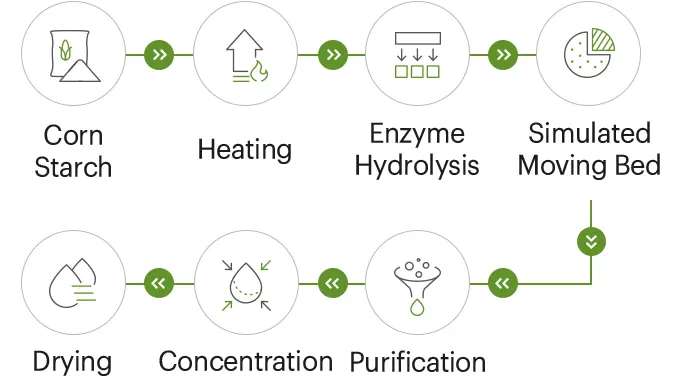
Behind every single batch of our resistant dextrin, we emphasize rigorous manufacturing control and absolute traceability. This ensures that your confectionery R&D teams can focus entirely on formulation work without worrying about ingredient consistency.
Key highlights of our production capabilities include:
- Origin of high-quality raw materials: We produce our resistant dextrin from carefully selected non-GMO corn starch, sourced from China's finest agricultural producers, ensuring clean and traceable origins.
- GMP-standard production workshops: Our state-of-the-art facilities utilize fully automated central control operations, seamlessly managing everything from raw material feeding to final product filling.
- In-house QC laboratories: We strictly test every batch against defined standards, meticulously checking appearance, fiber content, protein levels, and microbiological criteria.
- Certifications and advanced patents: We proudly maintain compliance with GMP, HACCP, ISO, and FDA-related standards, alongside holding proprietary patent certifications for our advanced resistant dextrin technologies.
- Flexible Product Packaging: We understand that different manufacturing setups require distinct handling solutions. We offer flexible packaging options, ranging from secure 1kg food-grade pouches to durable 25kg paper-plastic woven bags. Our packaging is meticulously designed to be moisture-proof and odor-proof, effectively preserving the integrity of the resistant dextrin during global transit.
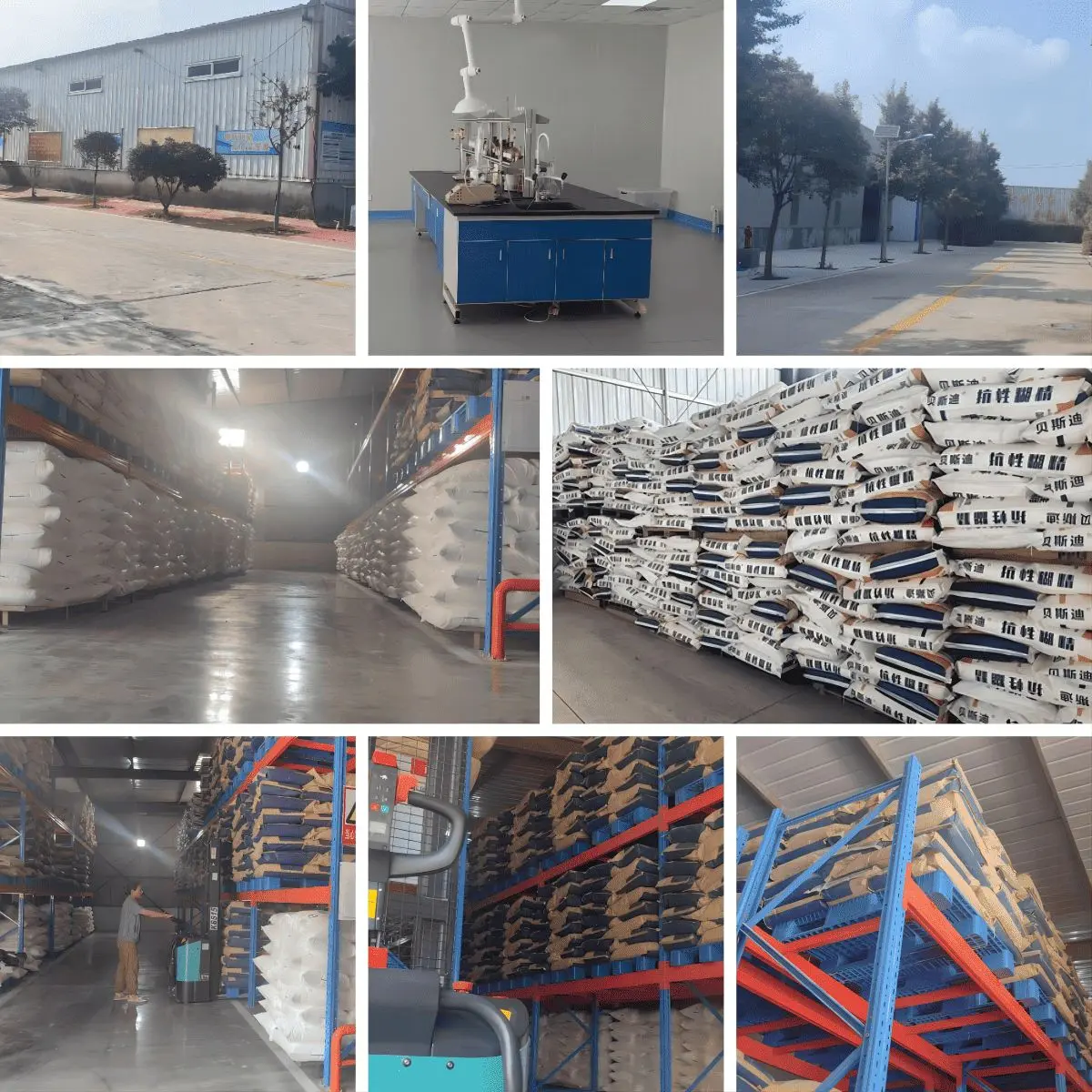
For global buyers seeking a highly reliable China resistant dextrin supplier, our powerful combination of raw material control, automated production, and documented certification provides a rock-solid foundation for long-term cooperation.
Getting Started With Resistant Dextrin In Candy Projects
To successfully implement our soluble corn fiber in your next confectionery concepts, we recommend following these steps:
- Contact us to request detailed product parameter sheets and quality certificates to securely anchor your nutritional and labeling decisions.
- Design small-scale lab trials in your target formats (soft candy, gummies, bars) utilizing our resistant dextrin as a premium bulking and fiber-adding component.
- Continually monitor texture, sweetness, and stability over time while keeping sugar crystallization behavior under strict review.
- Scale up confidently once your bench data proves that your low sugar candy fiber system meets both consumer expectations and regulatory guidelines.
Our dedicated after-sales service team provides comprehensive support, including usage guidance, technical data sharing, and prompt shipping updates. We are fully committed to building long-term partnerships by ensuring absolute customer satisfaction and supporting your brand's growth in the competitive functional food market.
Comprehensive technical documents, raw material specifications, and bulk pricing details are readily available. Reach out to our expert team today via our official website at www.sdshinehealth.com to request samples and elevate your product formulations.
FAQs
-
Q1. What is the typical fiber content of your resistant dextrin?
-
Based on our strict quality parameters, our resistant dextrin derived from premium corn starch consistently delivers a fiber content of at least 82%, expressed on a dry basis.
-
Q2. Which raw material is used to manufacture this soluble corn fiber?
-
We exclusively utilize high-quality corn starch from non-GMO sources as the primary raw material for our entire line of resistant dextrin products.
-
Q3. Is your ingredient suitable for low-glycemic or diabetic-oriented candies?
-
Yes, our resistant dextrin boasts a low glycemic index, is highly keto and diabetic-friendly, and functions exceptionally well as a soluble dietary fiber. However, final suitability always depends on your complete formula and adherence to local regulations.
-
Q4. Can your resistant dextrin handle typical confectionery processing temperatures?
-
Absolutely. Our product is engineered for high solubility and thermal stability. It is explicitly designed to withstand rigorous baking and processing conditions, covering the high-heat steps commonly found in confectionery and nutrition bar manufacturing.
-
Q5. What quality systems support your consistent supply for confectionery brands?
-
Our factory operates under GMP-standard workshops with automated central control and fully equipped in-house QC laboratories. We are backed by international certifications including GMP, HACCP, ISO, and FDA-related standards, ensuring we remain a trusted partner for your brand.
References
- Shandong Shine Health Co., Ltd. Official resistant dextrin product pages and technical descriptions (Healthy Sweetener Resistant Dextrin; Food Supplement Resistant Dextrin; High Fiber Low Sweetness Resistant Dextrin). Available at: www.sdshinehealth.com.
- Shandong Shine Health Co., Ltd. Internal product parameter tables for resistant dextrin (corn starch origin; appearance; fiber and protein content; storage requirements; QC laboratory protocols).
- Keskin Kuzey, F., Karimidastjerd, A., Toker, O. S., Arıcı, M., Taşan, M., & Konar, N. (2025). Composition of commercial licorice candies and development of sugar-reduced licorice-type extruded soft candy using resistant dextrin. ACS Omega.
- Yu, S., Dong, K., Pora, B. L. R., & Hasjim, J. (2022). The roles of a native starch and a resistant dextrin in texture improvement and low glycemic index of biscuits. Processes, 10(11), 2404.
- O’Brien Nabors, L. (2016). Alternative sweeteners: An overview. In Alternative Sweeteners (4th ed.). CRC Press.