Create High Fiber Yogurt That Still Feels Luxuriously Smooth
Adding dietary fiber to yogurt and dairy drinks often makes products too thick, grainy, or unstable. Our resistant dextrin (also known as resistant maltodextrin or soluble corn fiber) offers dairy formulators a reliable way to boost fiber in spoonable and drinkable yogurts while maintaining the smooth, creamy texture that consumers recognize and love.
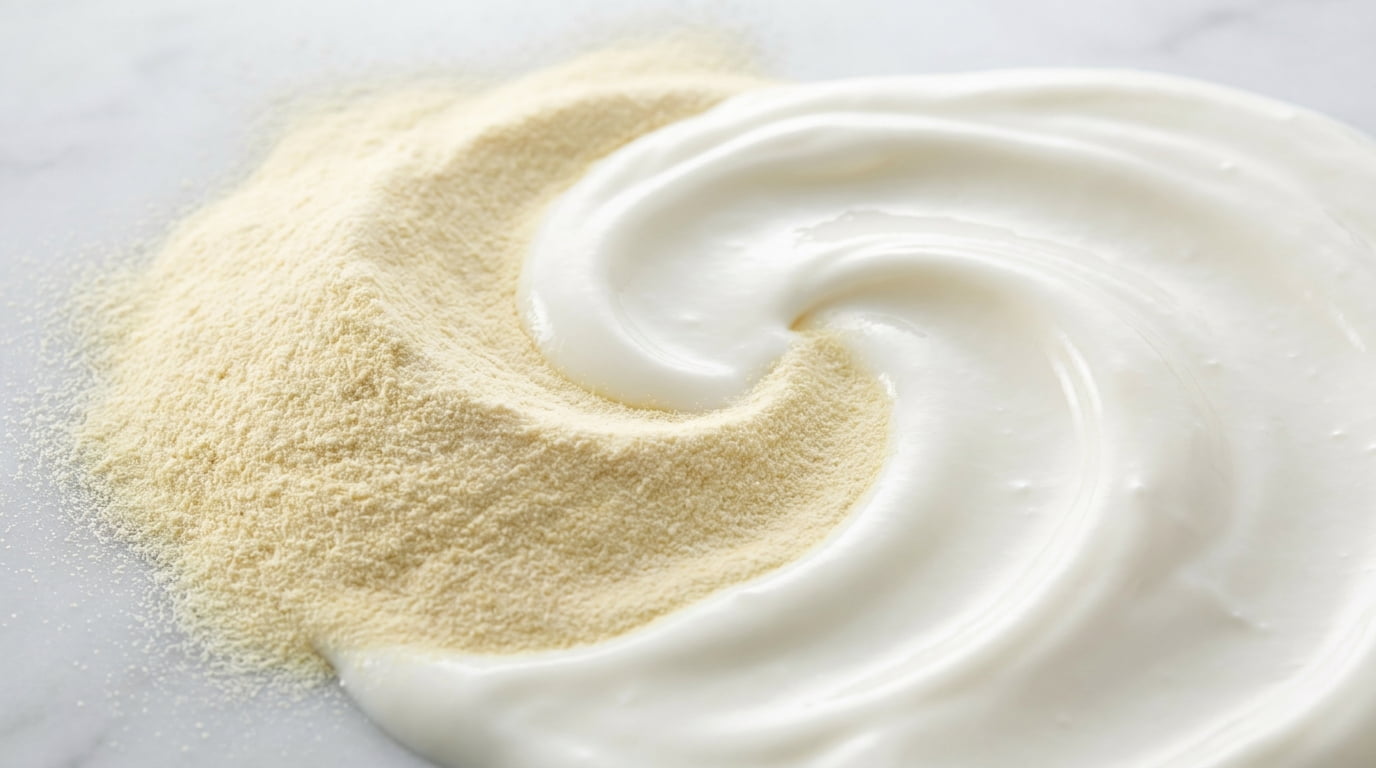
Upgrading Yogurt and Dairy Drinks
Traditional fibers can quickly increase viscosity and create visible particles in dairy systems. In contrast, our resistant dextrin is a soluble dietary fiber meticulously produced from non-GMO corn starch. Designed to dissolve cleanly into dairy matrices, it serves as an excellent soluble corn fiber or resistant maltodextrin solution.
In yogurt, milk, cheese, and ice cream applications, this versatile ingredient helps formulators to:
- Increase dietary fiber content naturally
- Support innovative sugar and calorie reduction concepts
- Improve or maintain delightful creaminess and mouthfeel
- Reduce common issues like water separation (syneresis)
By integrating our fiber solutions, brands can craft highly nutritious, resistant dextrin yogurt and dairy products without sacrificing indulgence.
Ingredient Profile Tailored for Dairy
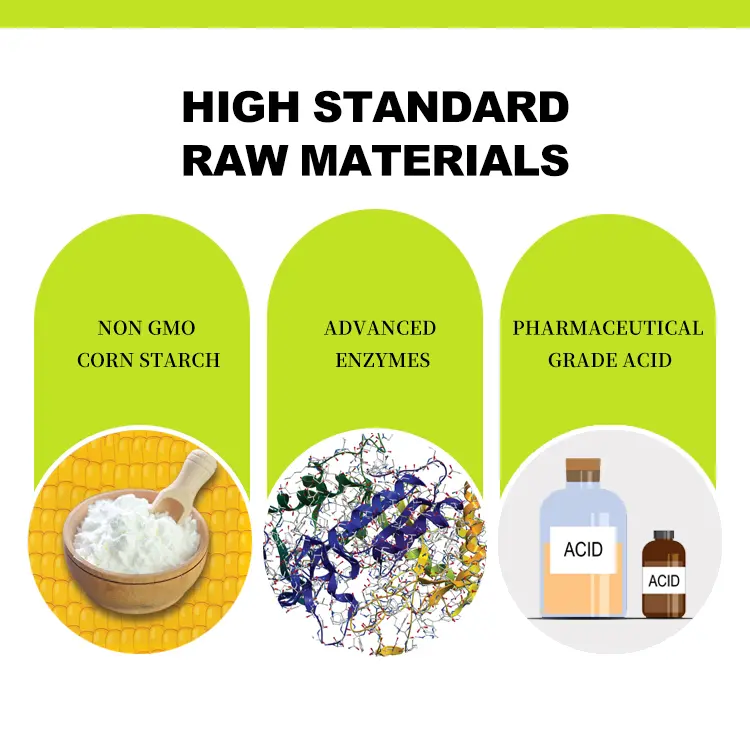
At Shine Health, we produce our resistant dextrin from premium non-GMO corn starch sourced from China's leading agricultural suppliers. Our production excellence is built on several unshakeable quality pillars:
- A precision-engineered German-origin production line
- Fully automatic, unmanned operations featuring advanced central control
- Imported biological enzymes ensuring controlled, optimal processing
- Exquisite craftsmanship heavily influenced by rigorous Japanese standards
- A fully equipped QC laboratory that meticulously oversees every batch
From a specification standpoint, the resistant dextrin we supply for dairy applications features:
- Fiber content: ≥82%
- Protein: ≤6.0%
- Appearance: Clean white to light yellow powder
- Storage: Easy to manage, simply store in a cool place
Beyond physical parameters, our product is an effective prebiotic soluble dietary fiber. It resists digestion in the small intestine, gently ferments in the colon, and actively supports beneficial gut bacteria for improved digestive health. Furthermore, it contributes low calories with a low glycemic index, assisting in blood sugar management by slowing carbohydrate absorption. These attributes allow brands to confidently position their dairy drinks around gut health and weight management.
Texture, Stability and Smooth Mouthfeel

Dairy R&D teams frequently choose our soluble corn fiber for yogurt because it remarkably improves texture without resulting in an overly thick or gritty product.
When applied to dairy systems, our resistant dextrin can:
- Enhance creaminess and viscosity in both yogurt and ice cream
- Elevate the overall smooth mouthfeel and body
- Help prevent syneresis, ensuring yogurt remains stable throughout its shelf life
- Support exceptional water-holding capacity within the protein network
- Deliver a satisfying fat-like taste while keeping calories low
Compared to insoluble fibers, our high-solubility ingredient is light, pure, and easily mixable. It dissolves rapidly in water without significantly altering viscosity, which is a critical advantage for both spoonable and drinkable formats.
For high-fiber yogurt formulation and resistant maltodextrin dairy beverage concepts, we recommend monitoring key parameters such as apparent viscosity, perceived smoothness, water-holding capacity, and sweetness balance. Tracking these factors ensures you add dietary fiber to yogurt without grit, perfectly aligning with consumer expectations for indulgent dairy treats.
Practical Formulation Approach
Because our resistant dextrin is light, pure, and rapidly dissolving, it significantly simplifies the development workflow. A typical process for developing a resistant dextrin dairy drink or yogurt involves:
- Defining the fiber target
Clarify the desired grams of fiber per serving and its functional role, whether for calorie reduction, sugar reduction, or digestive health support. - Pre-dissolving into the aqueous phase
Disperse the powder into water or milk under moderate shear. Its high solubility prevents local over-concentration and texture defects. - Integrating into existing processing
Seamlessly incorporate the fiber solution into your standard heat treatment and homogenization steps. For fermented yogurt, evaluate whether addition before or after fermentation works best. - Balancing proteins and stabilizers
Our resistant dextrin improves creaminess while controlling syneresis, making it ideal for smooth mouthfeel dairy fiber concepts. Adjust stabilizer levels so that protein, hydrocolloid, and soluble fiber deliver the target structure together. - Scaling up and checking shelf life
Transition promising lab formulas to pilot scale and rigorously monitor viscosity, phase separation, and sensory attributes during refrigerated storage.
Supply Reliability and Quality Assurance
Behind every successful dairy application, a secure and consistent supply chain is essential. As a trusted China resistant dextrin supplier and a highly recommended Chinese Resistant Dextrin Manufacturer, we pride ourselves on delivering unmatched reliability.

Our robust supply chain guarantees durable, multi-layer, food-grade 25 kg packaging with clear batch coding for complete traceability. For brands looking to build or expand their high-fiber dairy portfolios, we offer comprehensive after-sales and technical support, including 24/7 engineer availability and ODM capabilities.
Ready to elevate your dairy products? Reach out to our technical and commercial teams via info@sdshinehealth.com or send us a direct message on WhatsApp.
Frequently Asked Questions
- What fiber level does our resistant dextrin provide?
Our resistant dextrin used for yogurt and dairy drinks boasts a fiber content of ≥82% with a protein content of ≤6.0%, appearing as a clean white to light-yellow powder. - How does this ingredient affect yogurt texture?
It actively enhances creaminess and viscosity while preventing syneresis. Being highly soluble and easily mixable, it improves mouthfeel without making the yogurt excessively thick. - Which dairy products are suitable for this ingredient?
Key applications include yogurt, milk, cheese, and ice cream. It raises fiber content, supports texture, and aids in sugar and calorie reduction across these formats. - Can it help with sugar or fat reduction in dairy?
Absolutely. It offers a fat-like taste and low caloric value, allowing formulators to replace part of the sugar or fat while maintaining a smooth, satisfying texture. - What health benefits do we associate with our resistant dextrin?
As a prebiotic soluble dietary fiber, it supports digestive health, nourishes beneficial gut bacteria, helps manage blood sugar due to its low glycemic index, and perfectly suits weight-management products. - How should the product be stored and handled?
We recommend storing it in a cool place. We supply it in robust, multi-layer food-grade bags, typically 25 kg per bag, fully labeled for easy traceability. - What production controls ensure consistent performance?
Our resistant dextrin is manufactured on a German precision line with fully automated control, utilizing imported biological enzymes. A fully equipped QC lab and patent certifications ensure strict batch-to-batch consistency.
References
- Shandong Shine Health Co., Ltd. "Resistant Maltodextrin in Dairy Products" – Product details, parameters and dairy application information for resistant dextrin in yogurt, milk, cheese and ice cream. Available at: https://www.sdshinehealth.com/resistant-dextrin/resistant.html
- Shandong Shine Health Co., Ltd. "Sweeteners Sugar Reducing Resistant Dextrin" – Source materials, production excellence, health positioning and packaging information. Available at: https://www.sdshinehealth.com/resistant-dextrin/sweeteners-sugar.html
- Shandong Shine Health Co., Ltd. "Weight Supplements Dietary Fiber" – Product parameters, digestive and metabolic benefits. Available at: https://www.sdshinehealth.com/resistant-dextrin/weight-supplements.html
- Shandong Shine Health Co., Ltd. "Dietary Fiber" – Corporate overview of dietary fiber ingredients, including resistant dextrin. Available at: https://www.sdshinehealth.com/dietary-fiber/
- Dragomir, N., Ianitchi, D., Maftei, M. L., Bahaciu, G. V., & Posan, P. "Functionality and application of dietary fiber in food products – review." (2023). Available via PDF: https://www.animalsciencejournal.usamv.ro/pdf/2023/issue_2/Art58.pdf
- El‑Tahra, M. A. Ammar, Abo‑srea, M., & El Raghy, E. M. M. "Effect of certain dietary fibers on the properties of functional yoghurt." Journal of Food and Dairy Sciences (2013). DOI: https://doi.org/10.21608/jfds.2013.72110
- Jonsson, L. "Utveckling av en fiberberikad probiotisk fruktdryck." (2014). Summary accessible via: https://www.semanticscholar.org/
- Zalesny, N. "Hydrocolloids in Drinks: Texturizing beverages for stability and mouthfeel." IMR (2021). Available at: https://unipektin.ch/.../HYDROCOLLOIDS-IN-DRINKS