Choose Resistant Dextrin When Prebiotic Comfort Matters
Many prebiotic products promise gut-health benefits, but daily consumer experience often decides whether a formula earns repeat use. Fast-fermenting fibers such as inulin can be useful in some product designs, yet they may create formulation challenges when consumers are sensitive to gas or bloating. For brands building beverages, powders, snacks, and clean-label nutrition products, resistant dextrin offers a practical alternative: a soluble dietary fiber that combines high fiber content, neutral sensory performance, and a gentler positioning for everyday use.

Why Fermentation Speed Matters in Prebiotic Design
Inulin is known as a rapidly fermented prebiotic fiber. That rapid fermentation can support microbial activity, but it may also increase gas formation in the colon, especially when serving sizes rise or when users have sensitive digestion. This is why comfort claims rely on thoughtful ingredient selection, not only a high fiber number on the label.
Resistant dextrin is often discussed as a slower-fermenting soluble fiber. In day-to-day product development, that slower profile can help brands design fiber-enriched products that feel easier to use regularly. Instead of creating a strong fermentation peak, resistant dextrin supports a more gradual approach that fits daily beverage and nutrition routines.
What Shine Health Resistant Dextrin Brings to Formulas
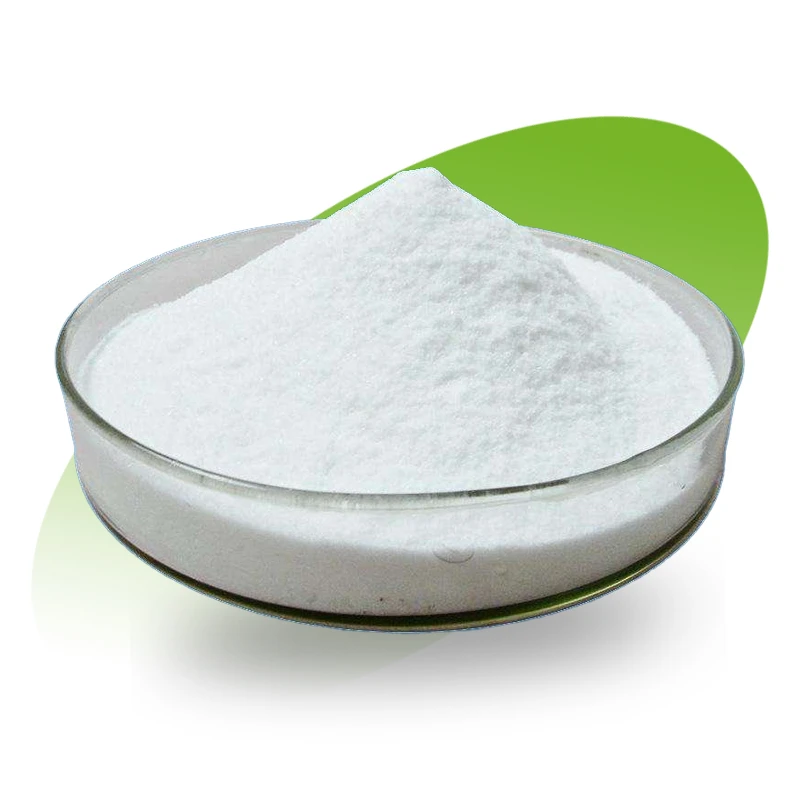
At Shine Health, our resistant dextrin is produced from corn starch and is positioned for food, beverage, snack, and supplement applications. Product parameters list a white to light yellow appearance, fiber content of ≥82%, protein content of ≤6.0%, and storage in a cool place. It is also described as non-GMO, gluten-free, low in calories, and suitable for high-fiber formulations.
For product developers, the sensory profile is especially important. Shine Health resistant dextrin dissolves easily in water, including hot and cold systems, and is described as neutral in taste and odor. This makes it useful when a brand needs fiber enrichment without adding grainy texture, strong flavor, or visible instability.
A Gentler Alternative to Fast-Fermenting Fibers
Digestive tolerance is not just a technical detail; it affects reviews, repeat purchase, and consumer trust. Shine Health product materials describe resistant dextrin as a fiber powder that supports gentle nutrition and does not cause bloating, gas, or cramps under intended use positioning. That makes it attractive for brands developing daily-use products where comfort is central to the user experience.
Compared with inulin-led formulas, resistant dextrin may be better suited when the goal is to reduce the risk of discomfort associated with rapid fermentation. It can also be combined thoughtfully with other fibers when brands want both prebiotic activity and a smoother digestive experience.

Applications Across Beverages, Powders, and Snacks
Because it is highly soluble and has little sensory impact, soluble corn fiber based on resistant dextrin fits many modern product concepts. In beverages, it can support clear, drinkable formulations. In nutrition powders, it can help build high-fiber, low-sugar positioning. In baked goods and snacks, its heat and acid stability make it suitable for processing conditions where some fibers are harder to manage.
Shine Health also presents resistant dextrin as suitable for keto, vegan, diabetic-friendly, and weight-management product concepts. For buyers searching for a Recommended Chinese Resistant Dextrin Manufacturer, these application advantages are often reviewed alongside ingredient consistency, documentation support, and supplier responsiveness.
Manufacturing and Sourcing Considerations
Shandong Shine Health Co., Ltd. (Shine Health) highlights non-GMO corn starch sourcing, automated production control, GMP and HACCP standard workshop practices, R&D support, ODM capabilities, and technical documentation for product development teams. The company also states that it has helped more than 500 brands develop clean-label products.
For procurement teams, the best evaluation process should include product specifications, sample testing, intended dosage, processing conditions, packaging needs, and after-sales support. Resistant dextrin is not only a fiber ingredient; it is a formulation tool that must perform consistently from pilot samples to commercial batches.
Conclusion
Prebiotic formulas succeed when they deliver both function and comfort. Inulin remains useful in certain applications, but its rapid fermentation can be a challenge for products intended for frequent use. Resistant dextrin gives brands a more balanced pathway: high soluble fiber content, easier sensory integration, heat and acid stability, and a gentler digestive positioning.
For brands developing beverages, powders, snacks, and clean-label nutrition products, Shine Health resistant dextrin is a practical option for building high-fiber formulas that consumers can use with confidence.
FAQs
Why is resistant dextrin often considered gentler than inulin?
Resistant dextrin is generally associated with slower fermentation, while inulin ferments more quickly. A slower fermentation profile may help reduce sudden gas buildup in sensitive users.
What is Shine Health resistant dextrin made from?
Shine Health resistant dextrin is made from corn starch and is presented as a non-GMO, gluten-free soluble dietary fiber ingredient.
Can resistant dextrin be used in beverages?
Yes. Shine Health describes resistant dextrin as highly soluble in hot and cold water, with neutral taste and odor, making it suitable for beverage and powder applications.
What product categories can use resistant dextrin?
It can be used in beverages, baked goods, snack foods, dietary supplements, sauces, dressings, and nutrition powders.
What should buyers check before sourcing resistant dextrin?
Buyers should review fiber content, appearance, solubility, raw material source, processing stability, packaging options, documentation support, and supplier service capabilities.
References
- Shandong Shine Health Co., Ltd. Resistant Dextrin product information. https://www.sdshinehealth.com/resistant-dextrin/high-dietary-fiber.html
- Shandong Shine Health Co., Ltd. Resistant Dextrin Prebiotics product page. https://www.sdshinehealth.com/resistant-dextrin/resistant-dextrin-1.html
- Shandong Shine Health Co., Ltd. Maltodextrin soluble fiber production and packaging information. https://www.sdshinehealth.com/resistant-dextrin/maltodextrin-soluble.html
- Yoshida, K., Kokubo, E., Morita, S., Sonoki, H., & Miyaji, K. (2024). Combination of inulin and resistant dextrin has superior prebiotic effects and reduces gas production during in vitro fermentation of fecal samples from older people. https://pmc.ncbi.nlm.nih.gov/articles/PMC11678394/
- Włodarczyk, M., Śliżewska, K., & others. (2021). Efficiency of resistant starch and dextrins as prebiotics. Nutrients, 13(11), 3808. https://www.mdpi.com/2072-6643/13/11/3808
- Pasman, W., Wils, D., Saniez, M., & Kardinaal, A. (2006). Long-term gastrointestinal tolerance of NUTRIOSE® FB in healthy men. European Journal of Clinical Nutrition. https://doi.org/10.1038/sj.ejcn.1602418